Skip to content

Diabetes Amigo

Supporting the parents and caregivers of kids diagnosed with Type 1 Diabetes

  • Daily T1D
    • Daily Diabetes Kit/Bag
    • Insulin Storage
    • Glucose Tab Storage
  • CGM
  • Insulin Pumps
  • Easing MDI Injections
  • Carb Counting
  • Sick Day
  • Travel
  • Sports
  • Blog
  • Home
  • 2023

Year: 2023

T1D Make Dexcom Stick for 10 Days

Posted on June 29, 2023July 2, 2023 By Diabetes Amigo
T1D Make Dexcom Stick for 10 Days
Tips

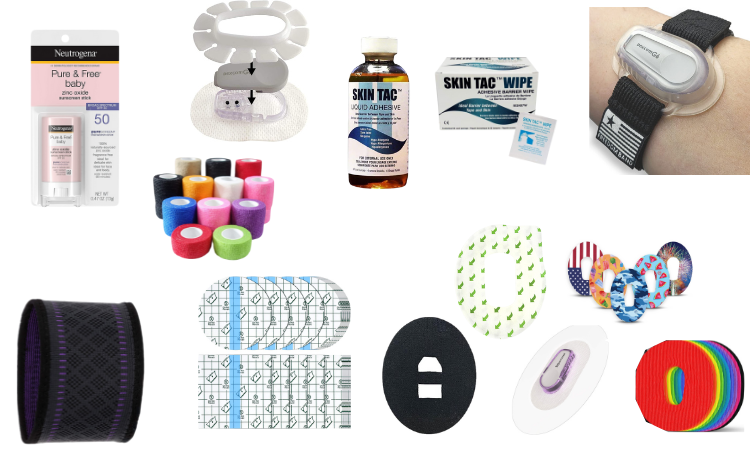
The Dexcom Continuous Glucose Monitor (CGM) has an adhesive patch that adheres to the body and is expected to last 10 full days. Daily life (baths, swimming, heat, etc.) and your personal skin can cause the CGM’s adhesive patch to fail. Add extra adhesive or utilize accessories to help keep the Dexcom sensor adhesive patch, sensor wire and transmitter securely in place for 10 days.

Extra Adhesive / Accessories / Sunscreen

This post may contain affiliate links. Please see the affiliate disclosure for more details.

Extra Adhesive
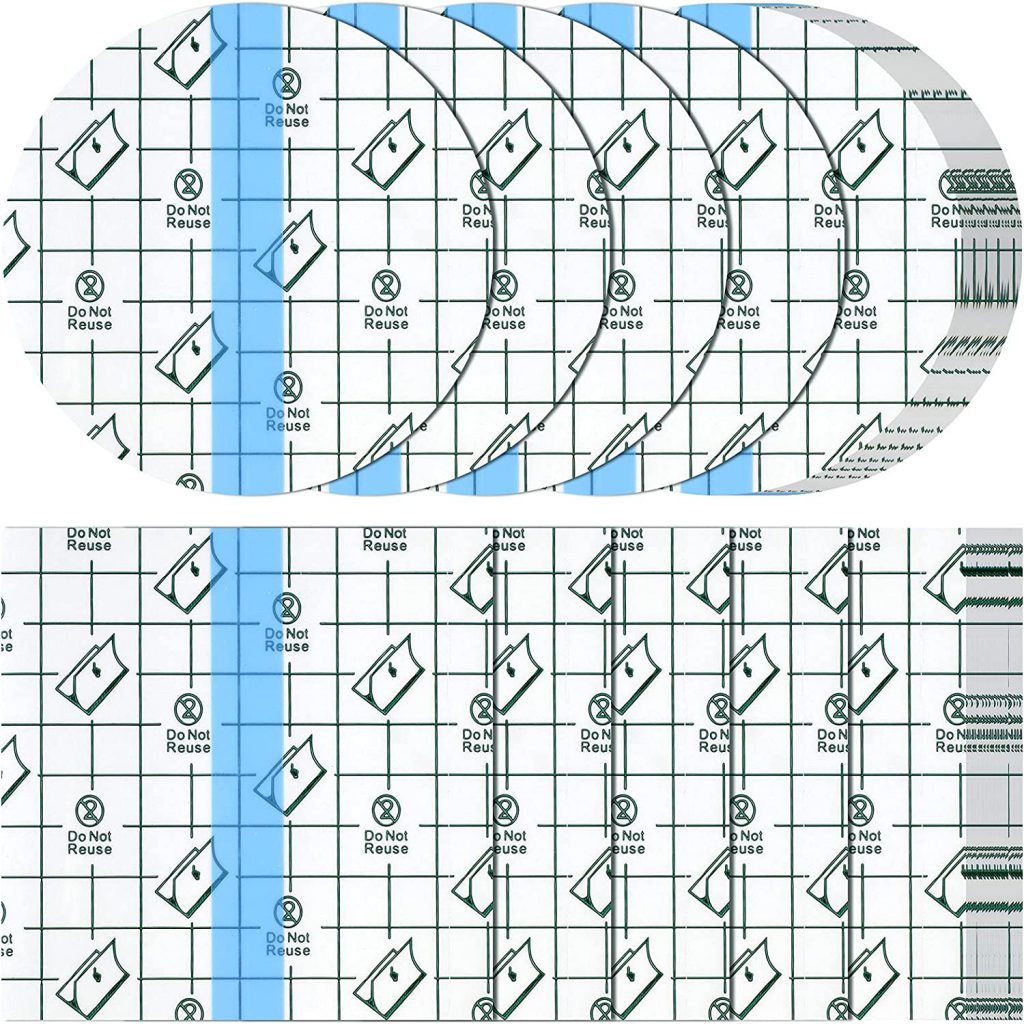
Clear Film Dressing Tape Precut

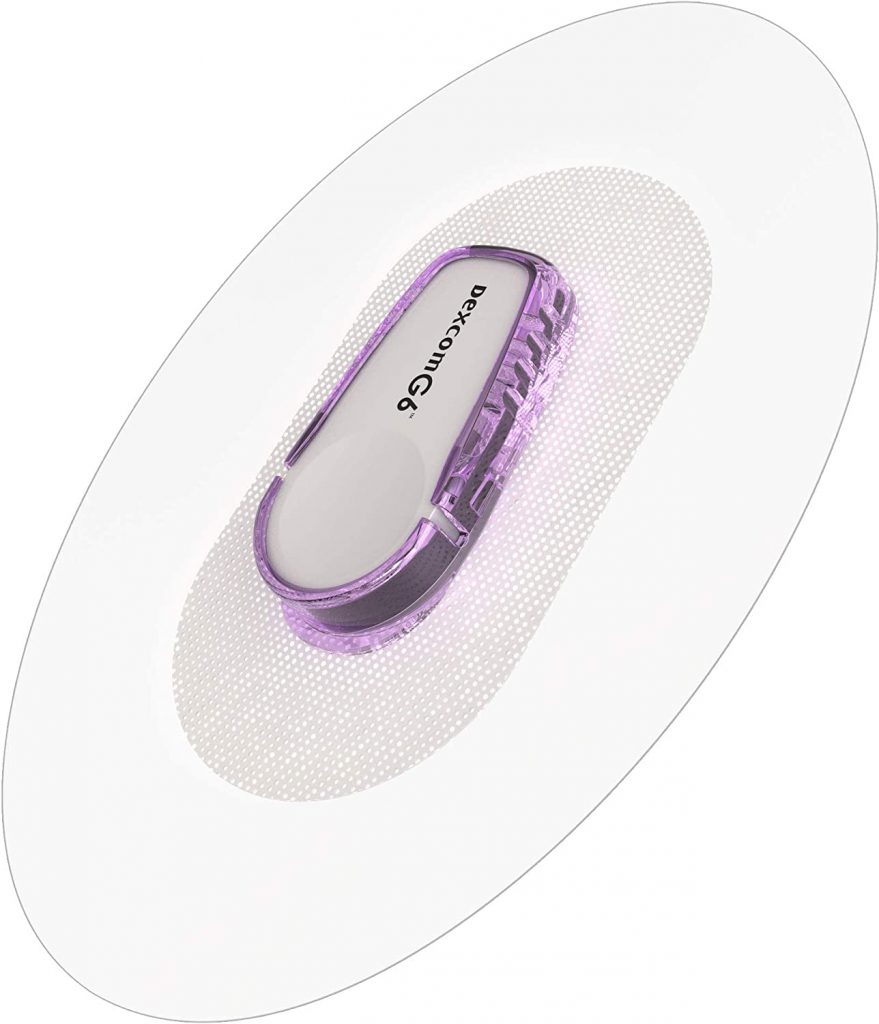
Clear Film Dressing Tape – cover entire Dexcom in a transparent adhesive bandages that makes a watertight seal over the CGM. Precut in circle and square shapes to cover the Dexcom on various site locations. If you like to make your covers, the clear film can be purchased in a roll.
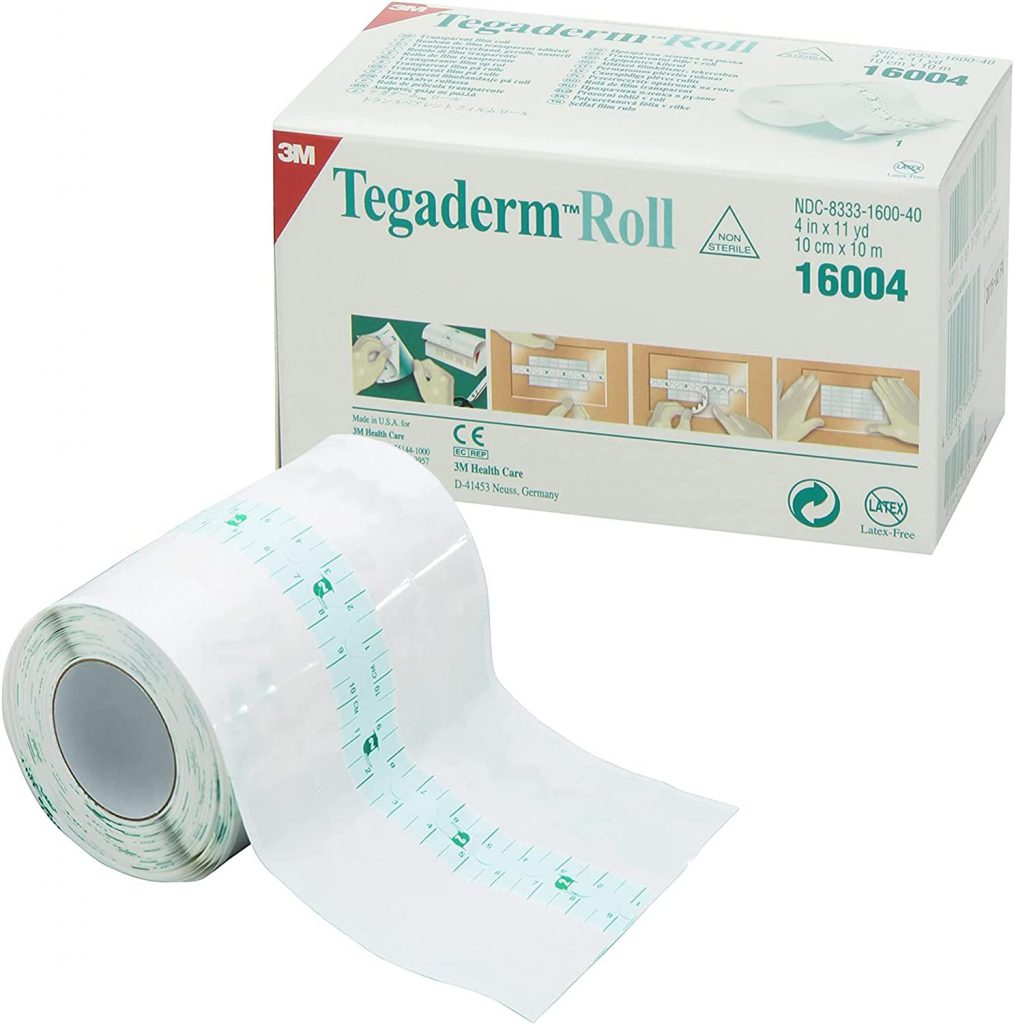
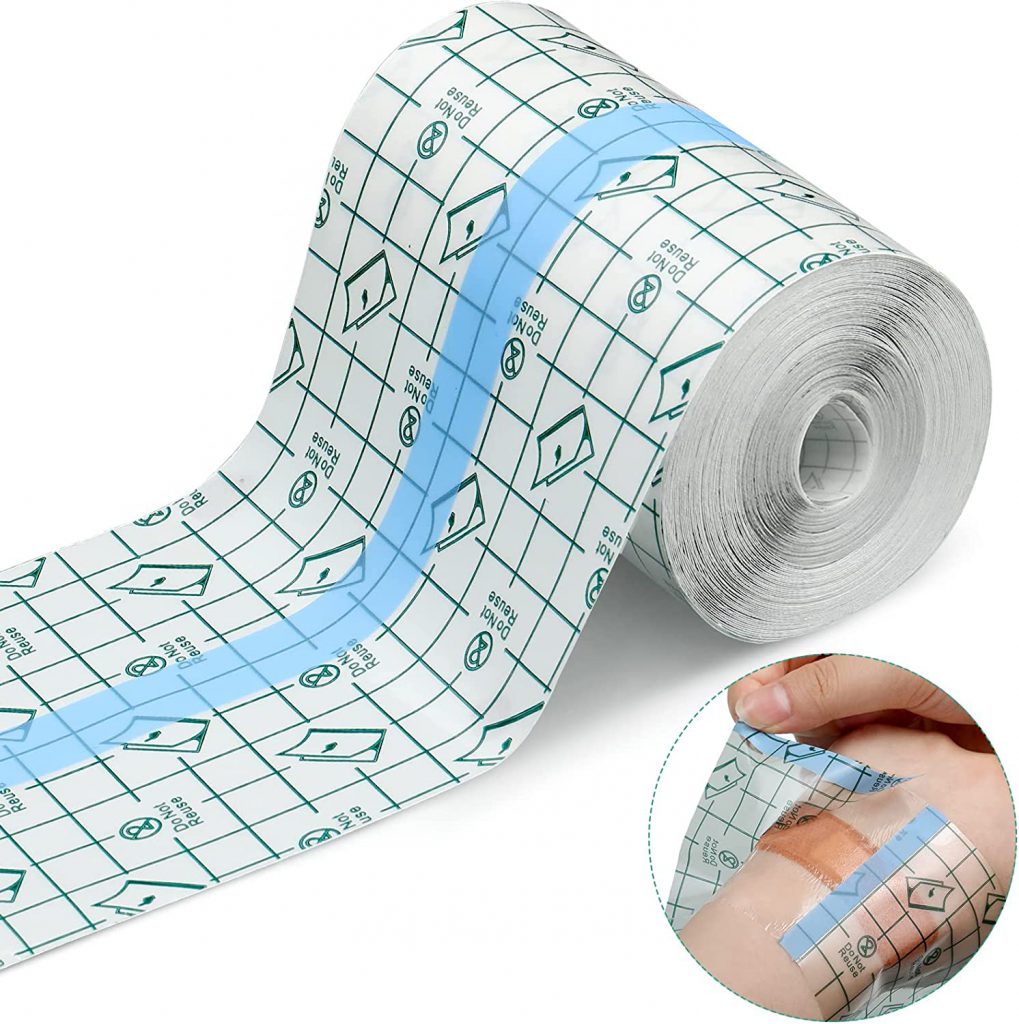
Tegaderm Roll
Roll of Film Dressing
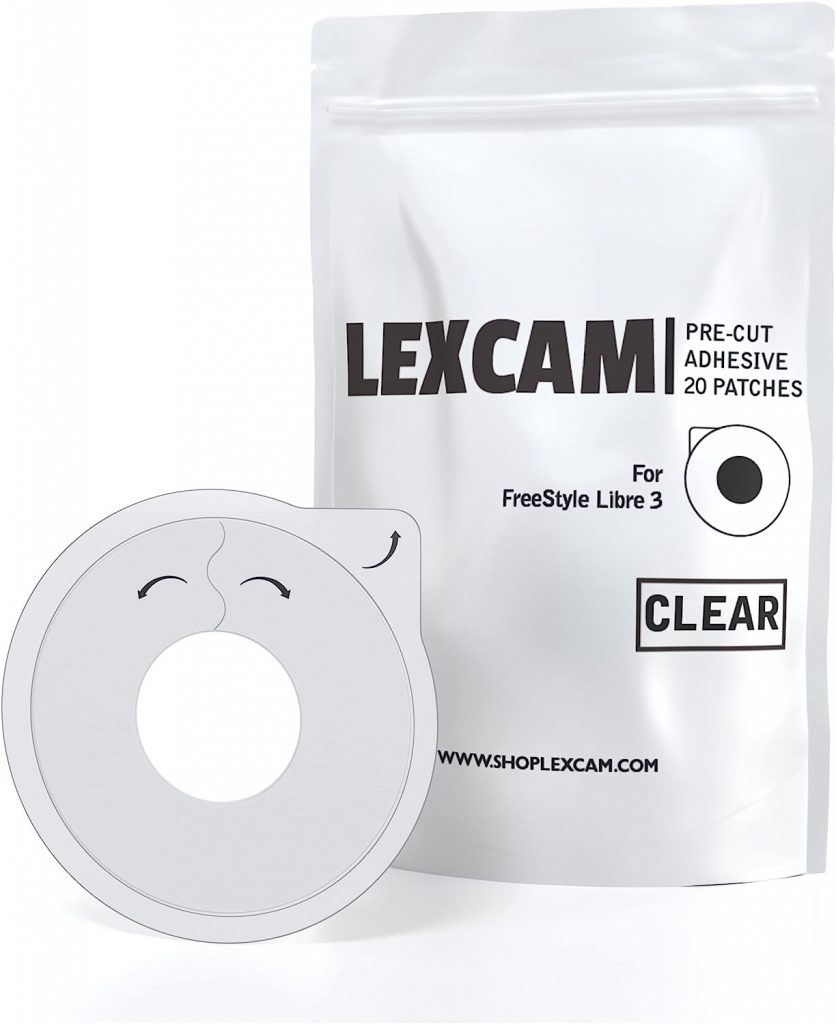
Lexcam Overpatches (latex free)

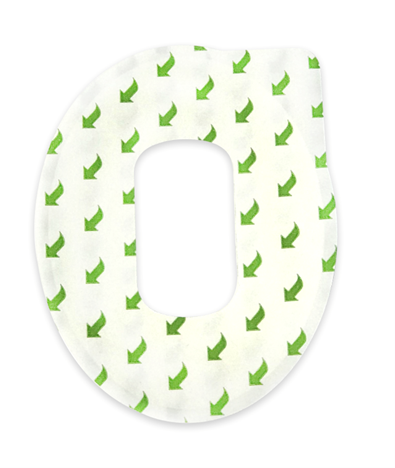
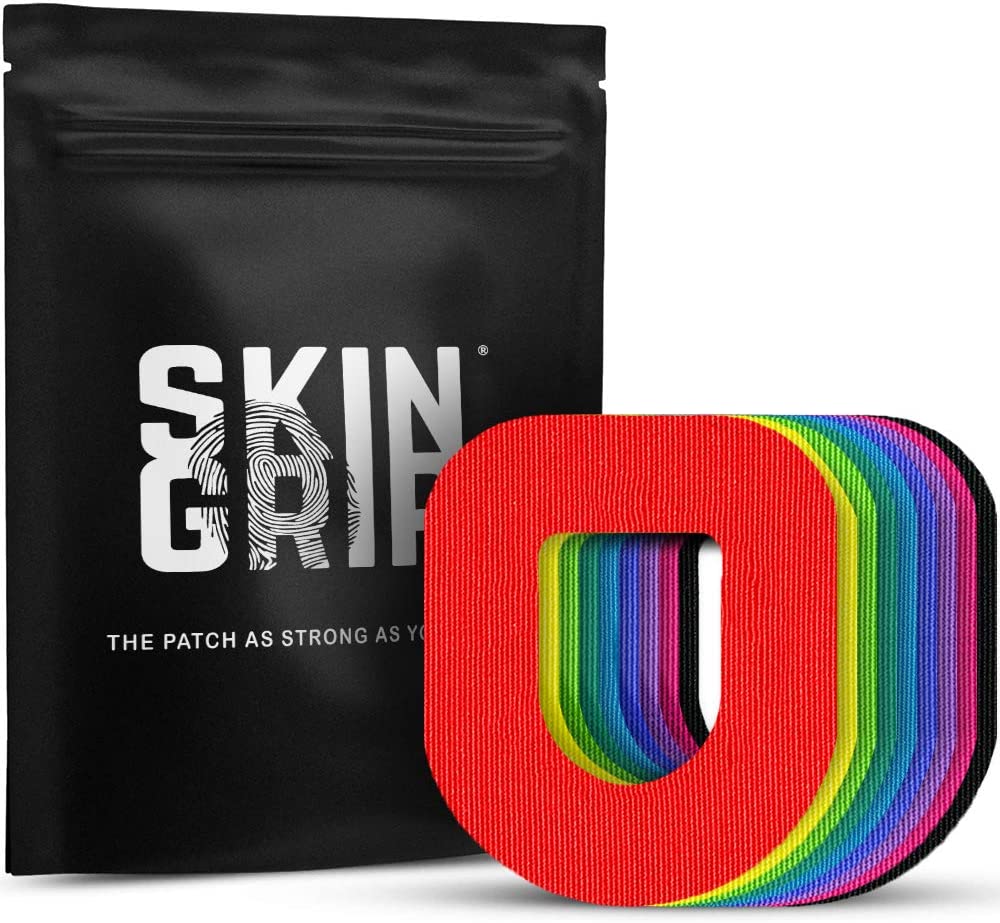
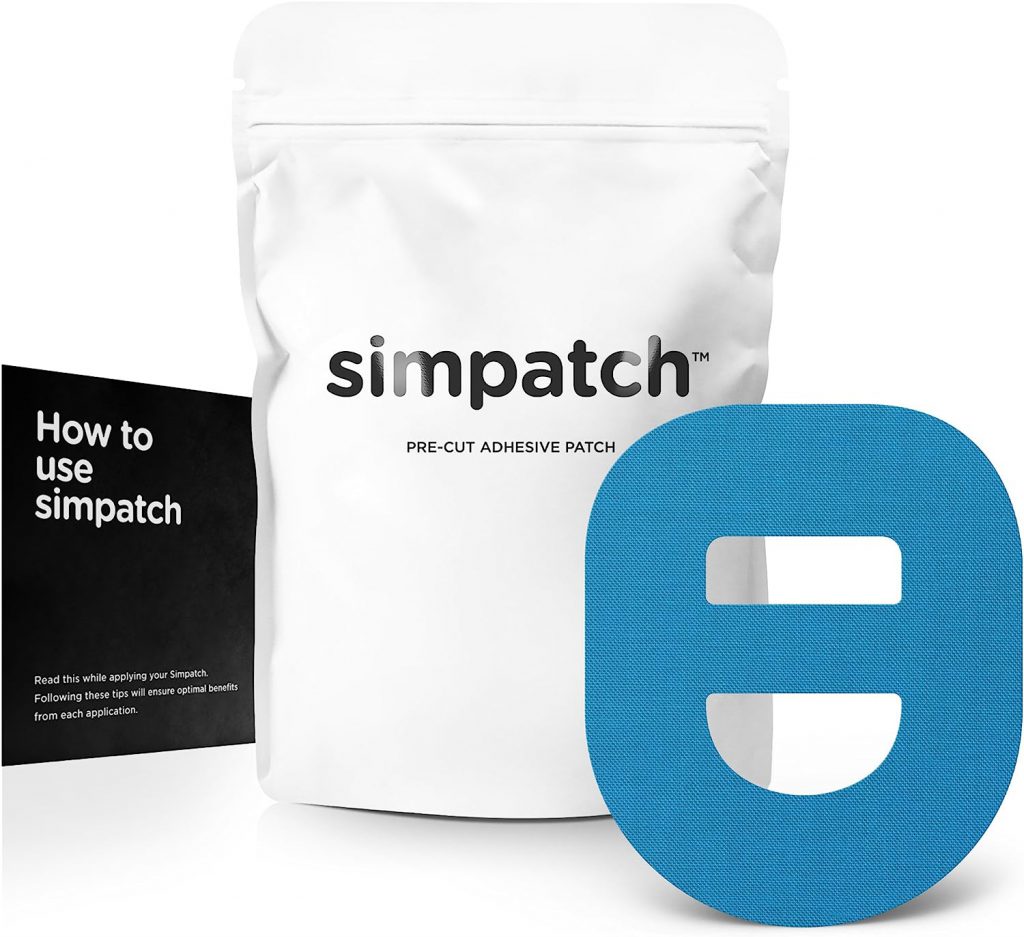
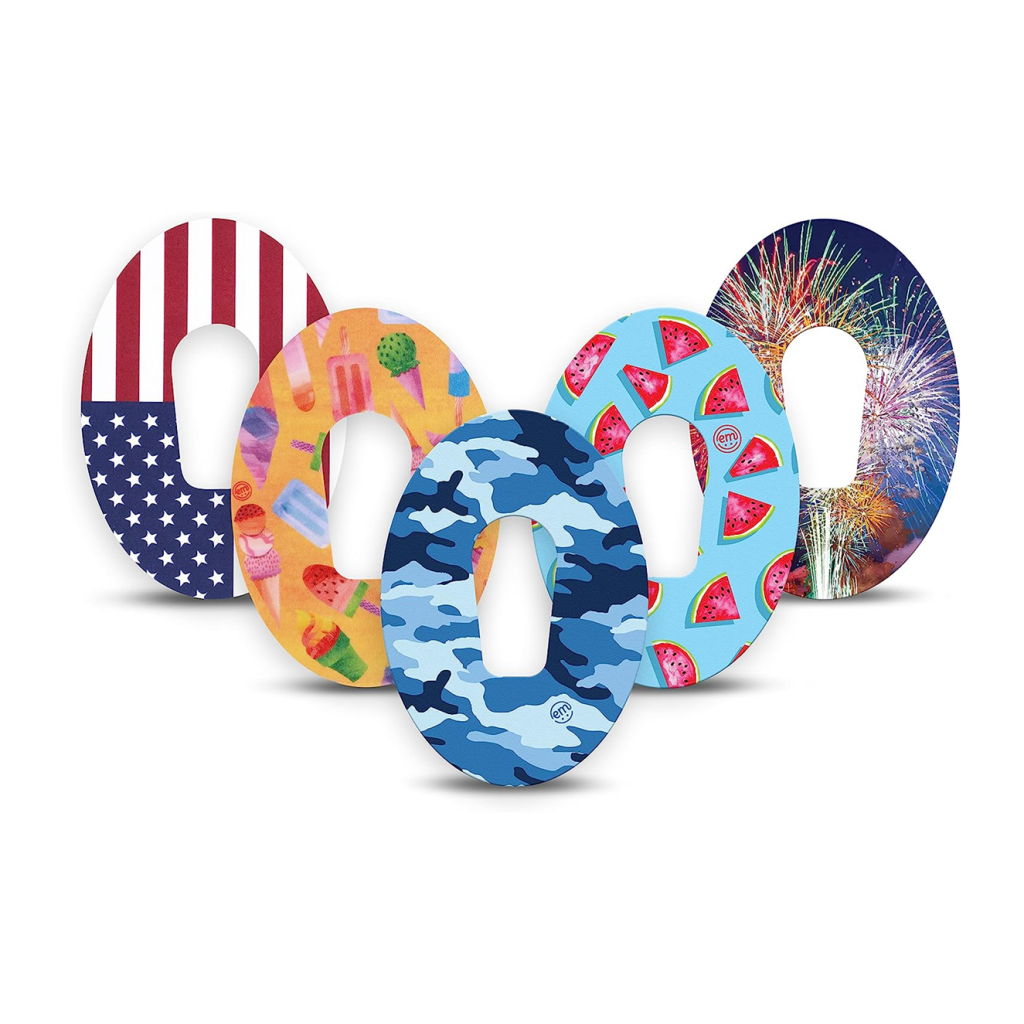
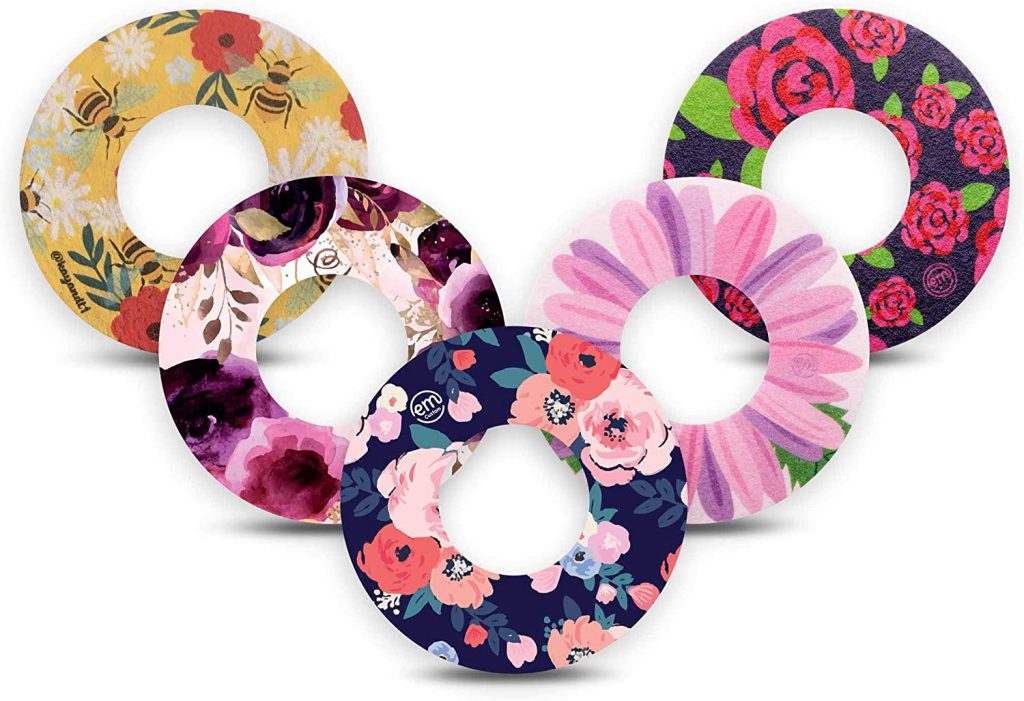
Overpatches – add an extra adhesive patch over Dexcom’s initial adhesive patch. Overpatches are typically precut to fit over the transmitter (and available in various colors and designs). Dexcom supplies free overpatches via an online ordering form.
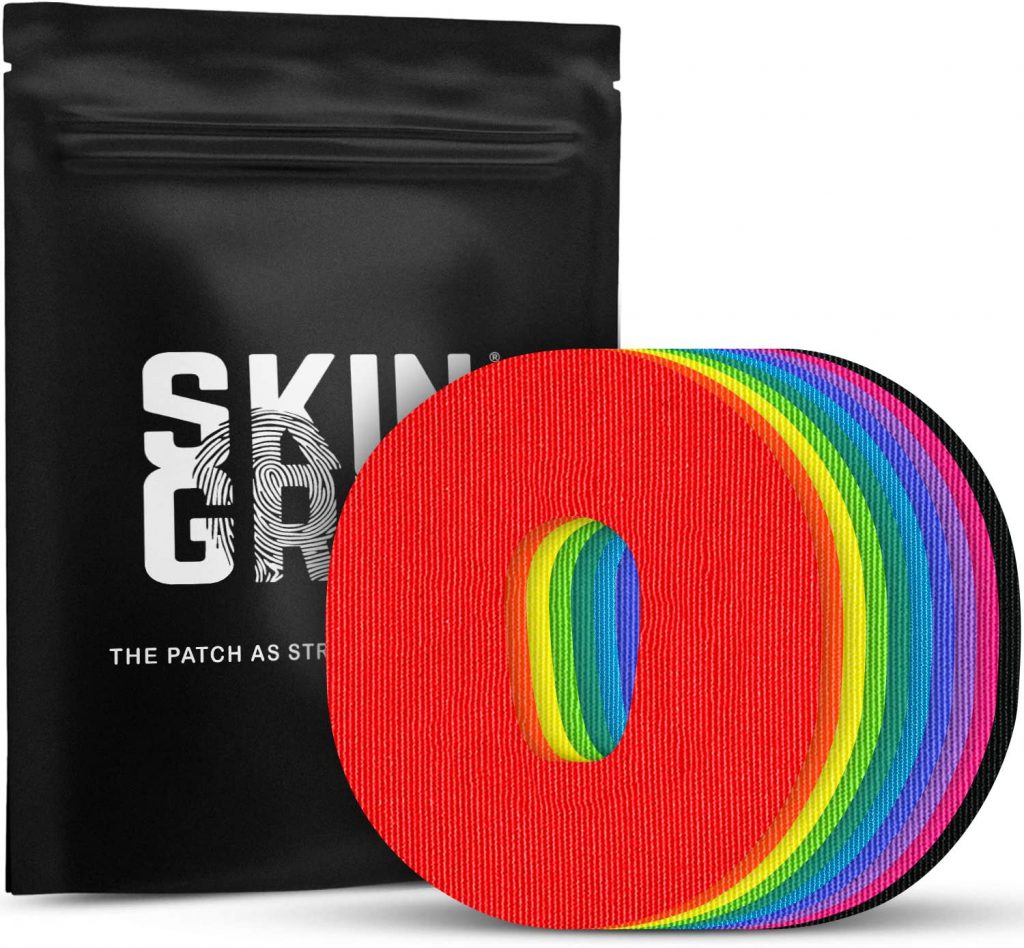

Colored
Designs
Free
Strap
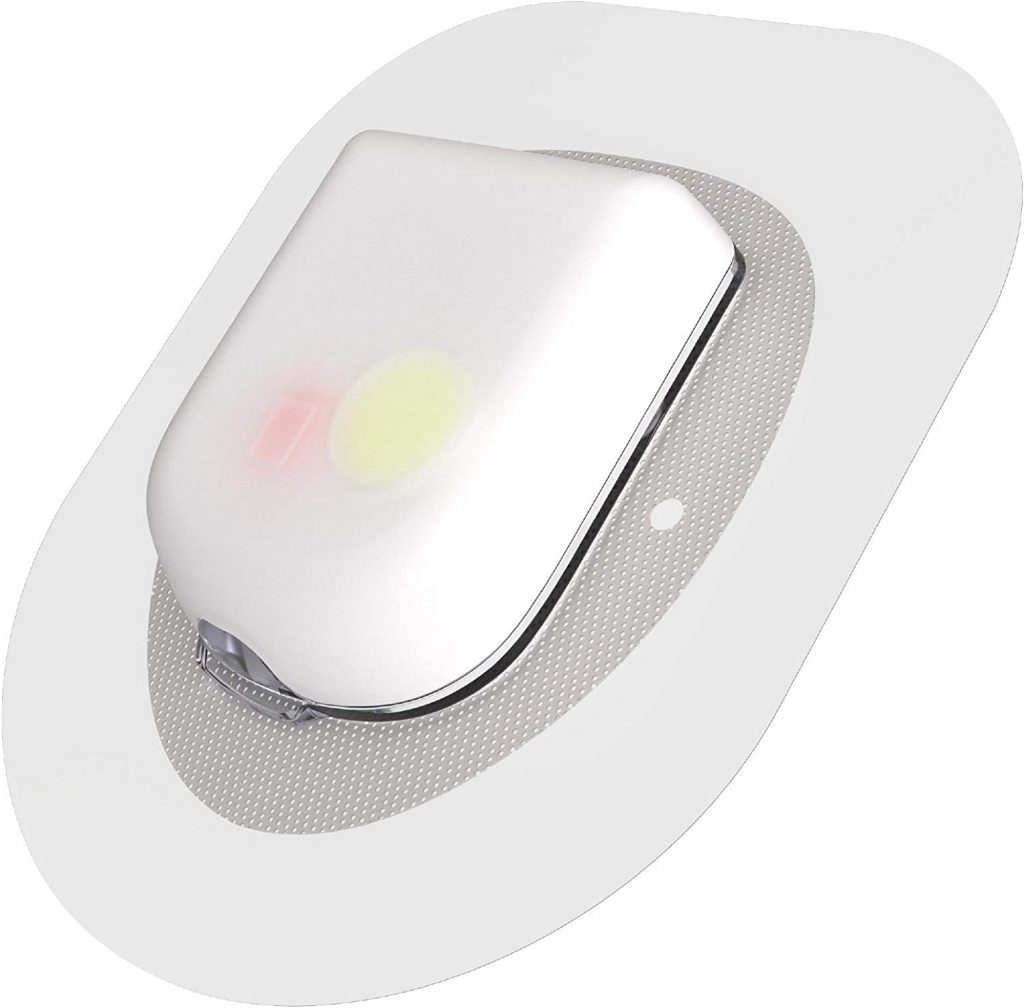
Dexcom Shield

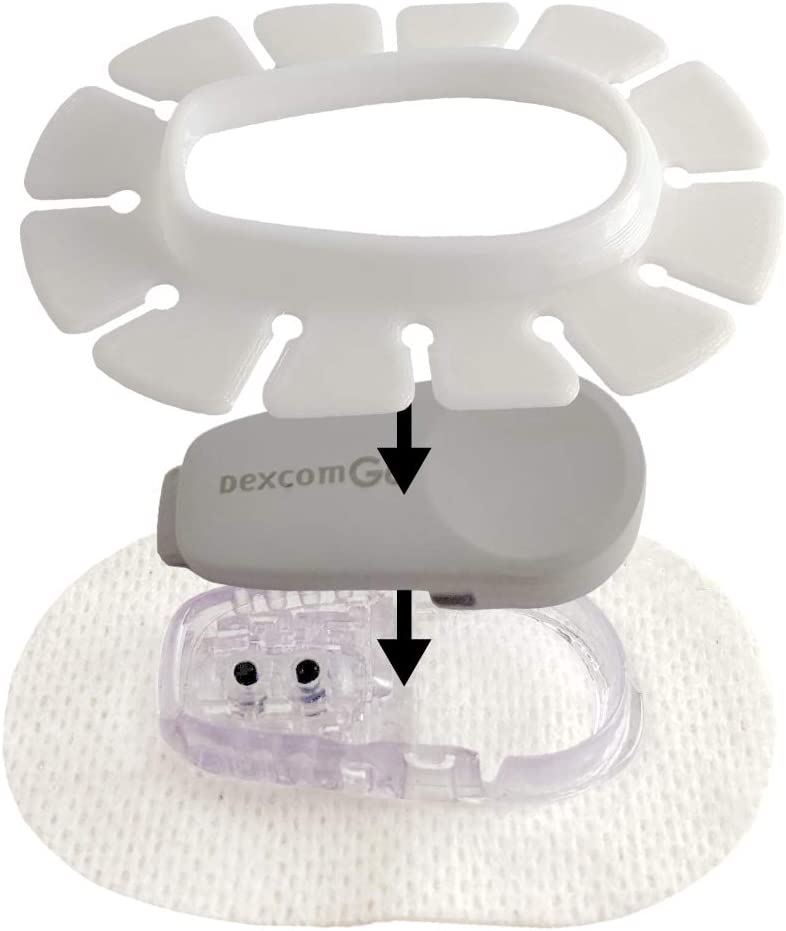
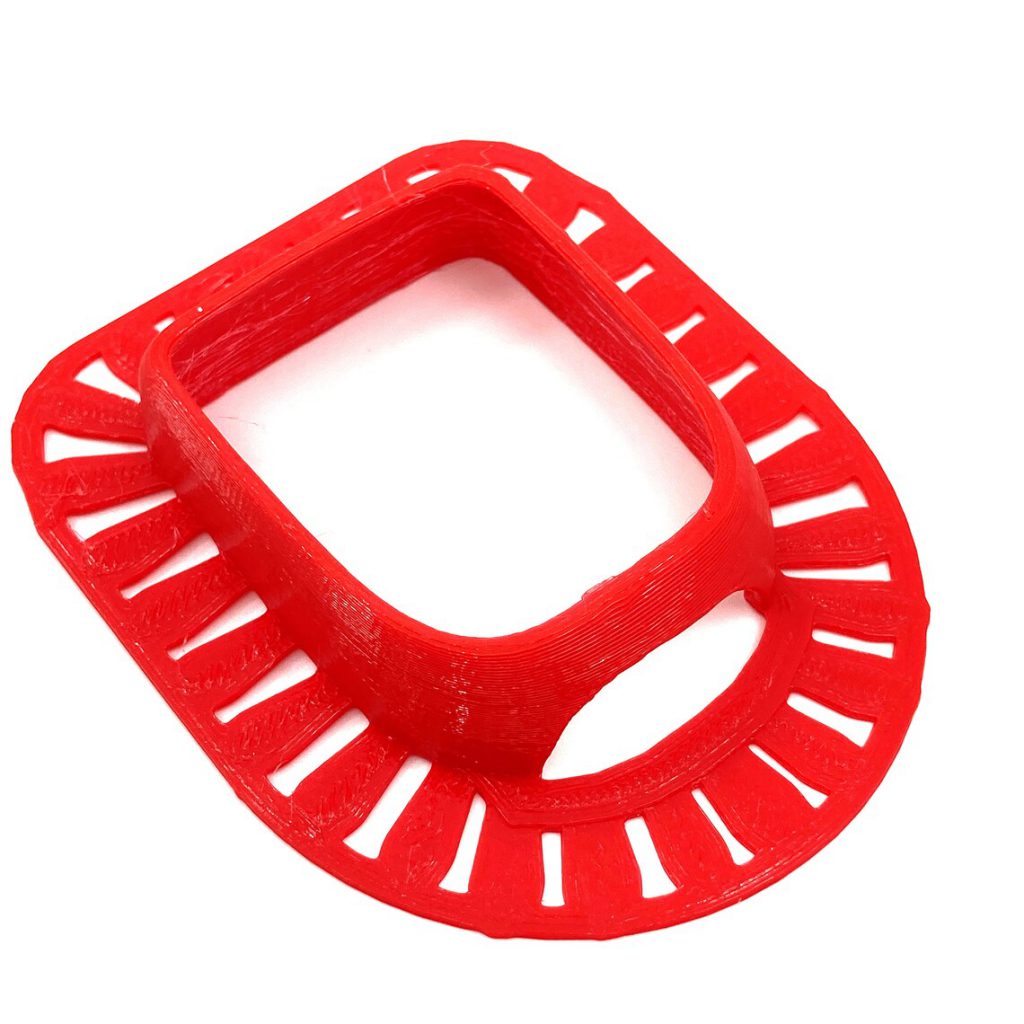
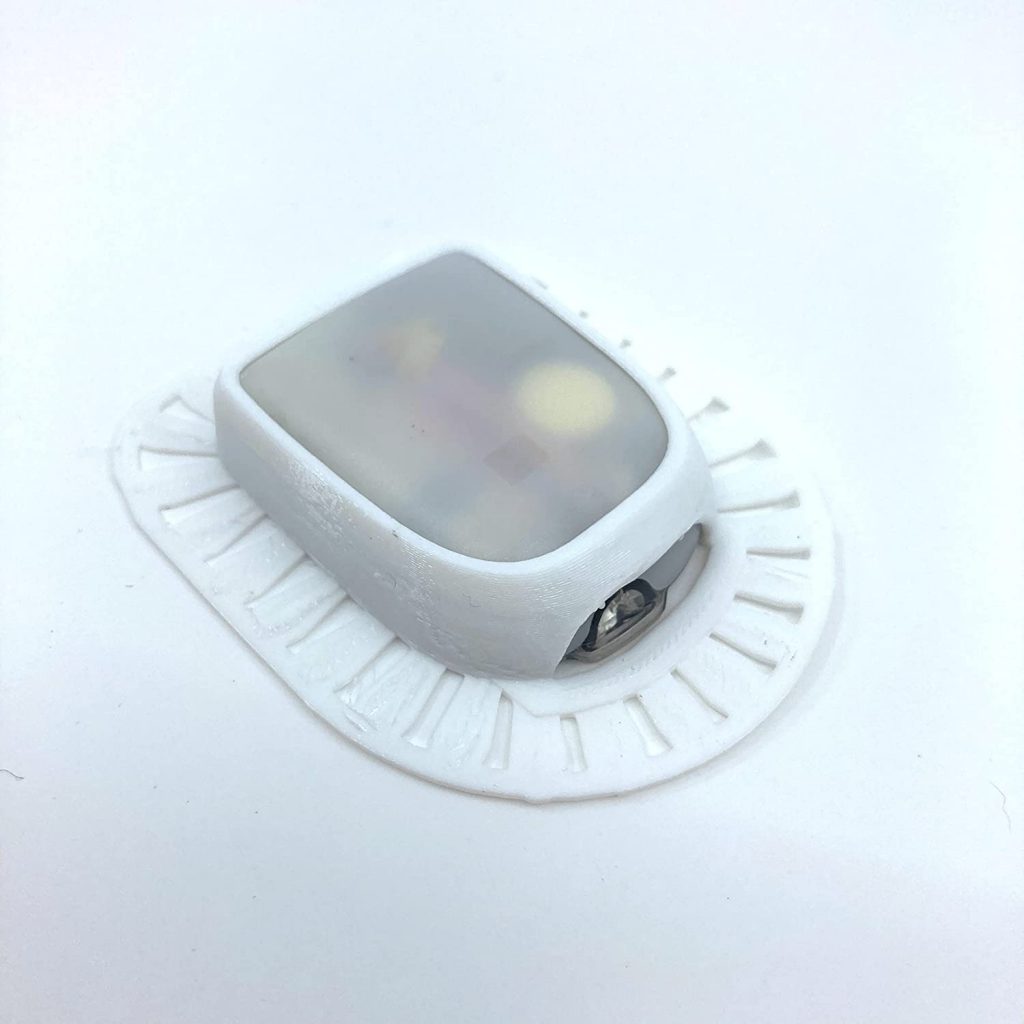
Shield – Add a shield before applying an overpatch to your Dexcom CGM to allow for easy removal of the overpatch. The shield protects the CGM’s initial adhesive patch when applying/removing an overpatch. When the overpatch starts to peel at the edges, simply remove the extra overpatch without disturbing the CGM’s initial adhesive patch.
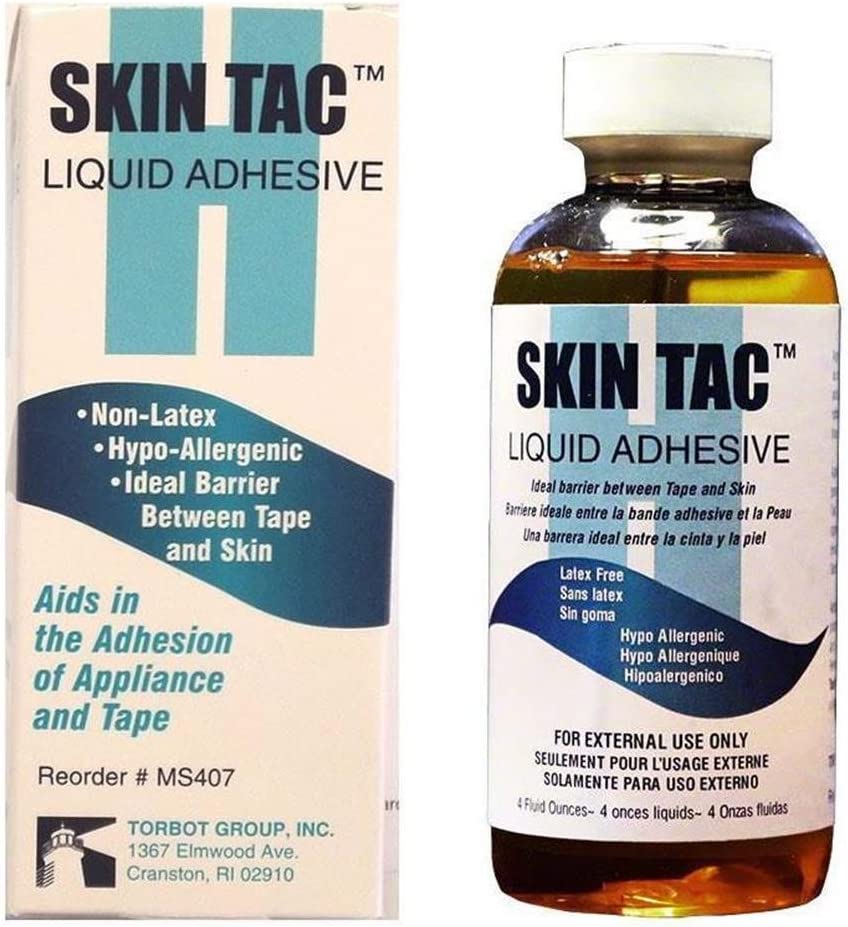
Skin Tac Liquid Adhesive

Liquid Adhesive – Adding an adhesive barrier with liquid adhesive before applying a Dexcom sensor provides skin protection and extra adhesive to the sensor’s initial adhesive patch. A second layer of liquid adhesive on top of the sensor’s patch provides even more sticking power. Further, apply liquid adhesive to the edges of an adhesive patch that starts to peel-up from daily wear-and-tear. Purchase in economical bottle or in travel wipe size.
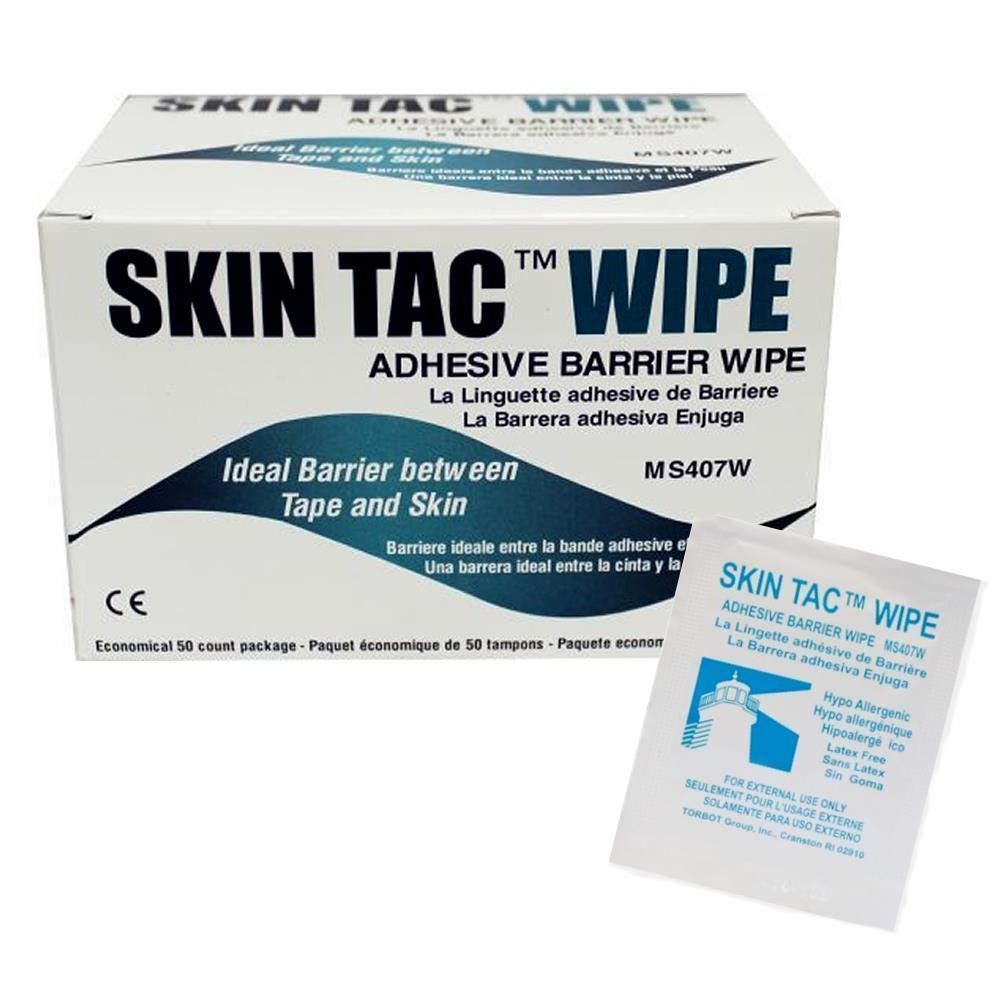
Skin Tac Wipes

Accessories

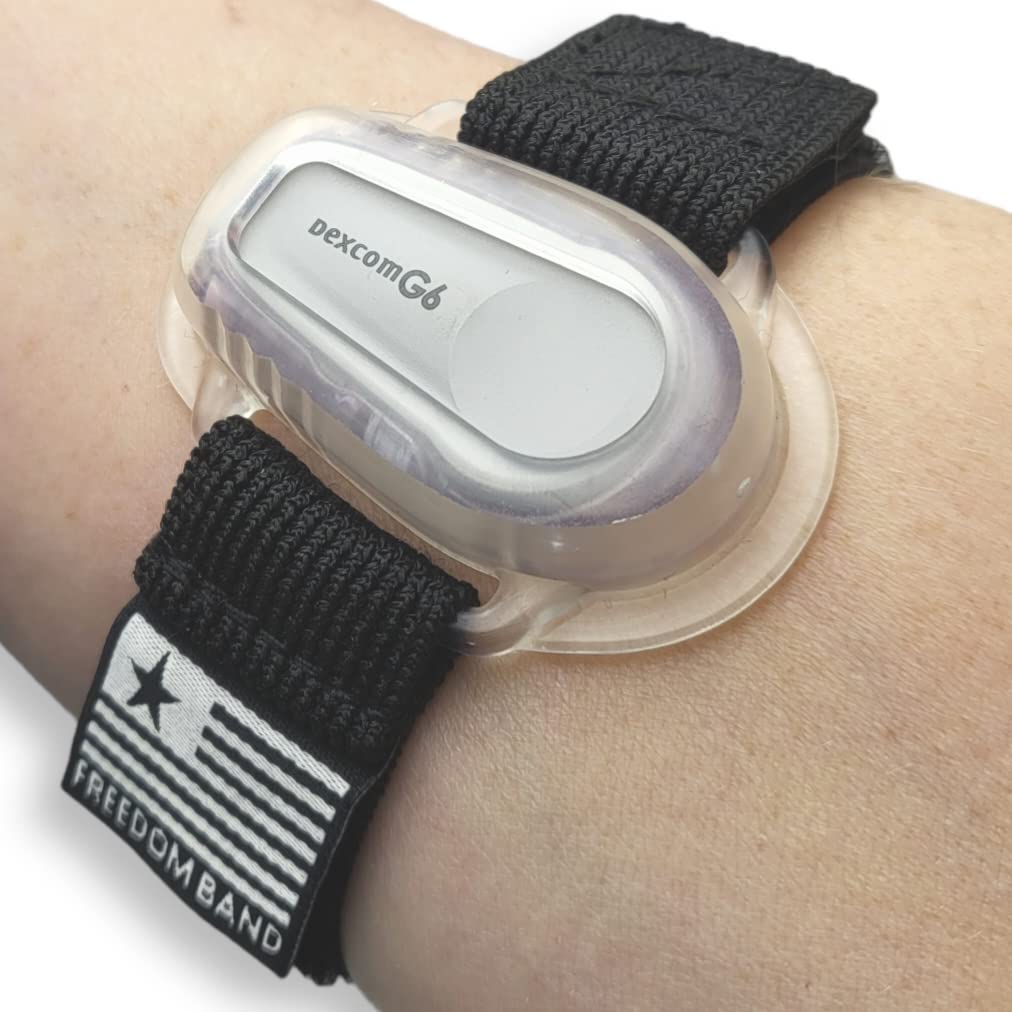
Dexcom Arm Band

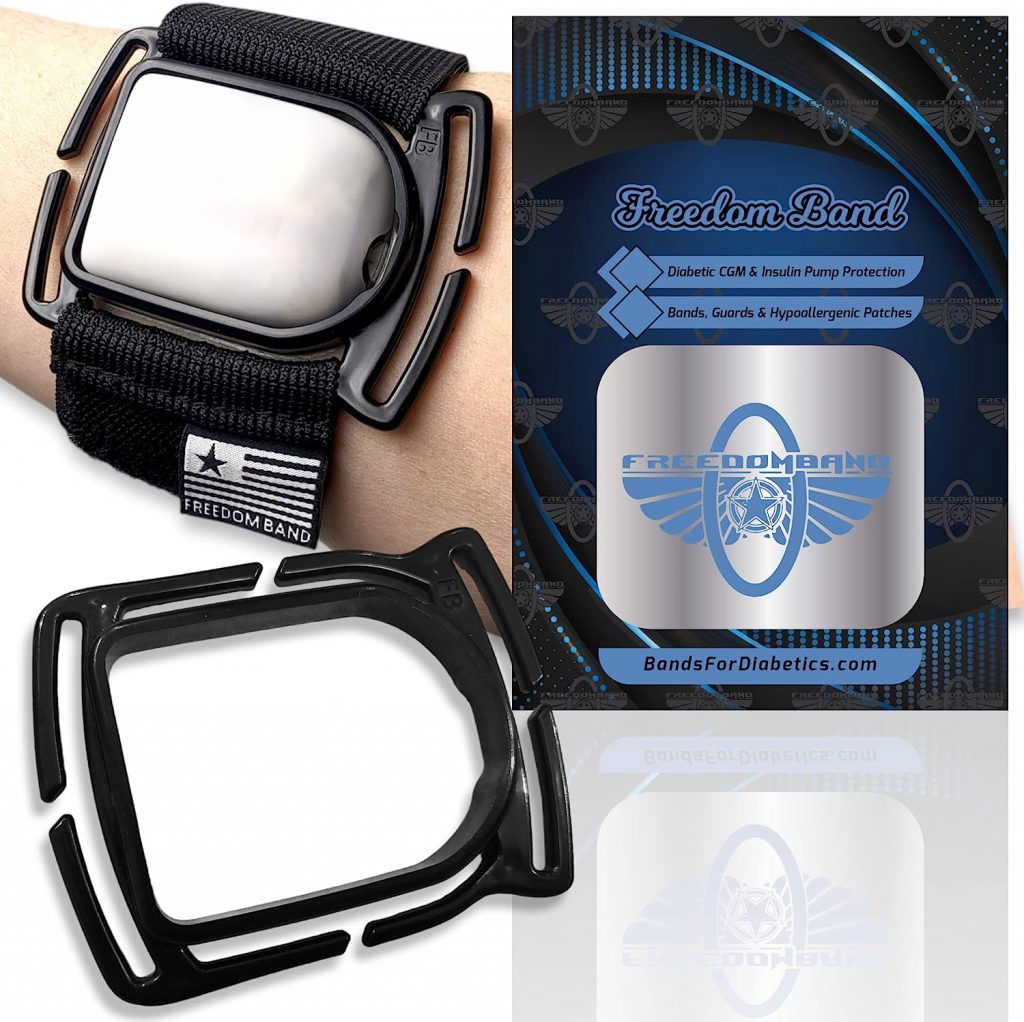
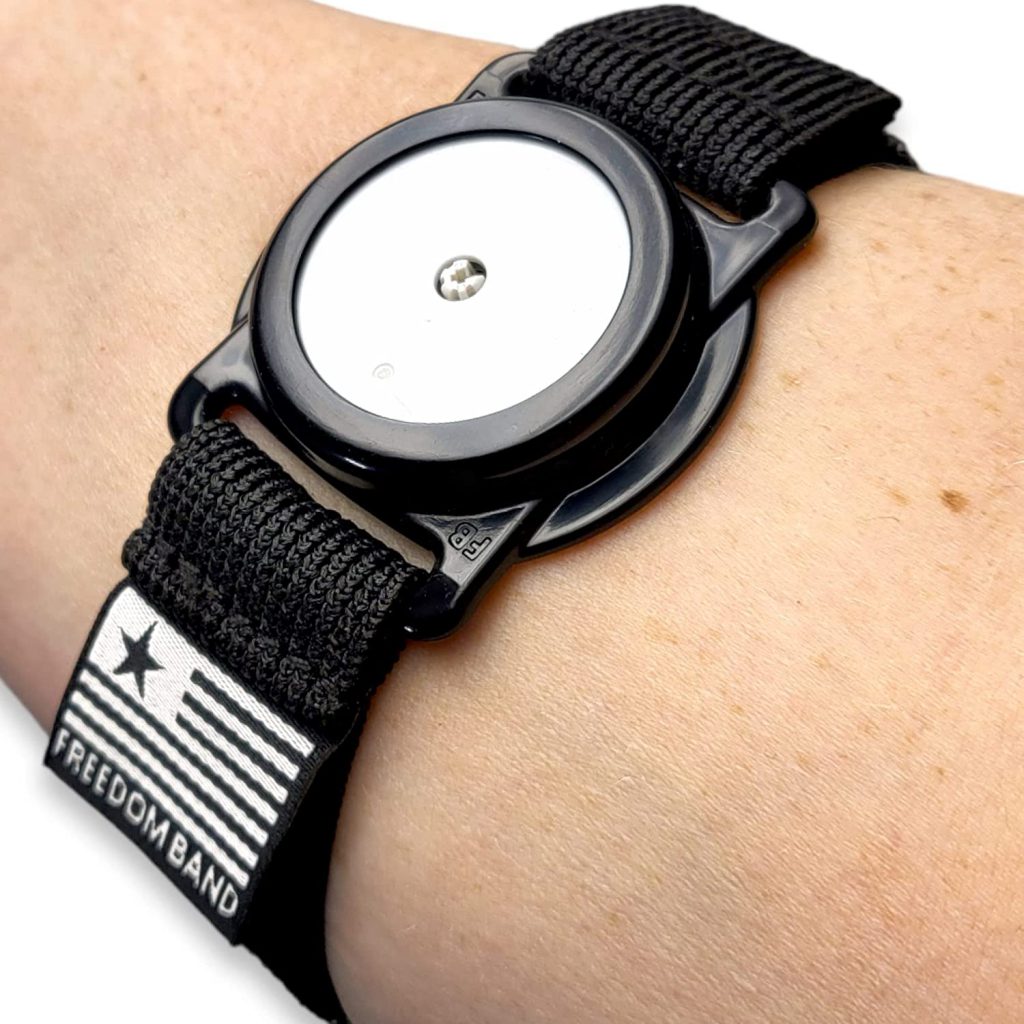
Arm Bands – Arm bands can worn over a Dexcom sensor’s initial patch and transmitter or be used in addition to overpatches. Adding an arm band over a sensor’s initial adhesive patch can help during water activities (be sure to keep the arm band on until the adhesive patch dries to help keep the adhesive patch and sensor wire in place).
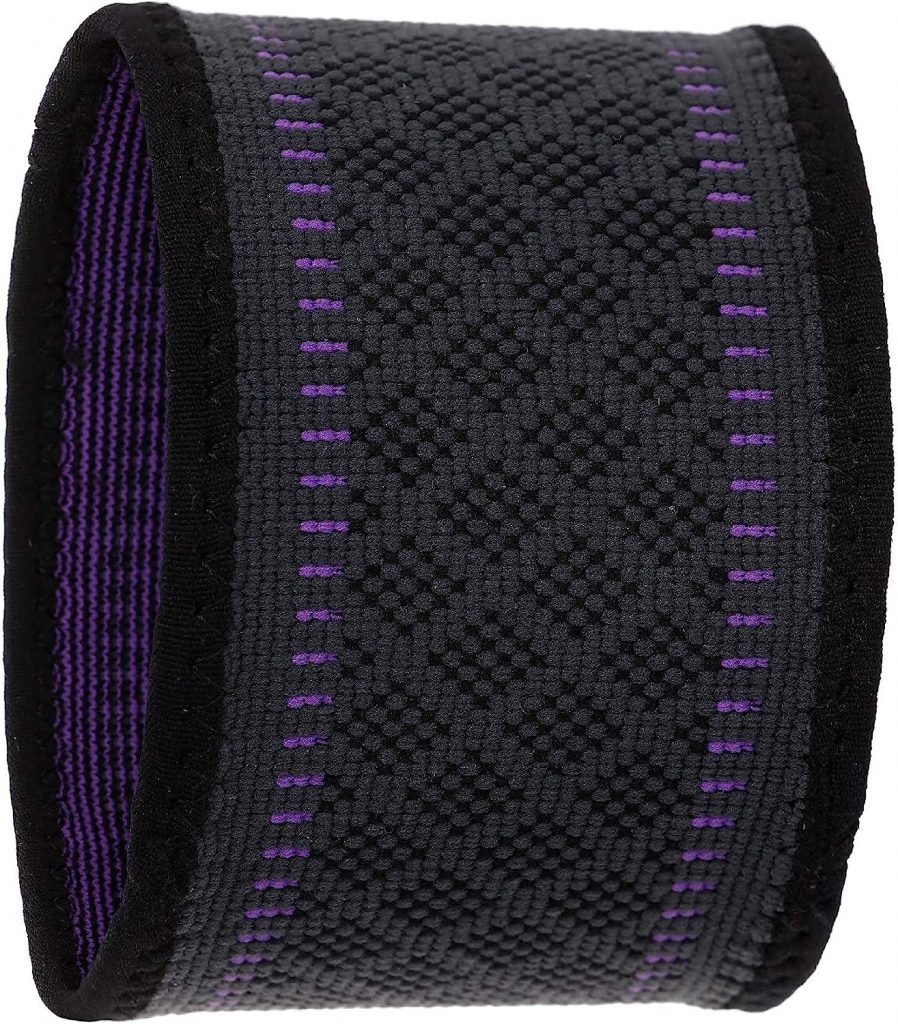
Compression Band

Compression Band – wear a compression band over a Dexcom sensor and transmitter to protect the CGM from being ripped off your body and during water activities (wear in water and then wear the compression band until the band dries to help keep the adhesive and sensor wire in place).
Vet Wrap

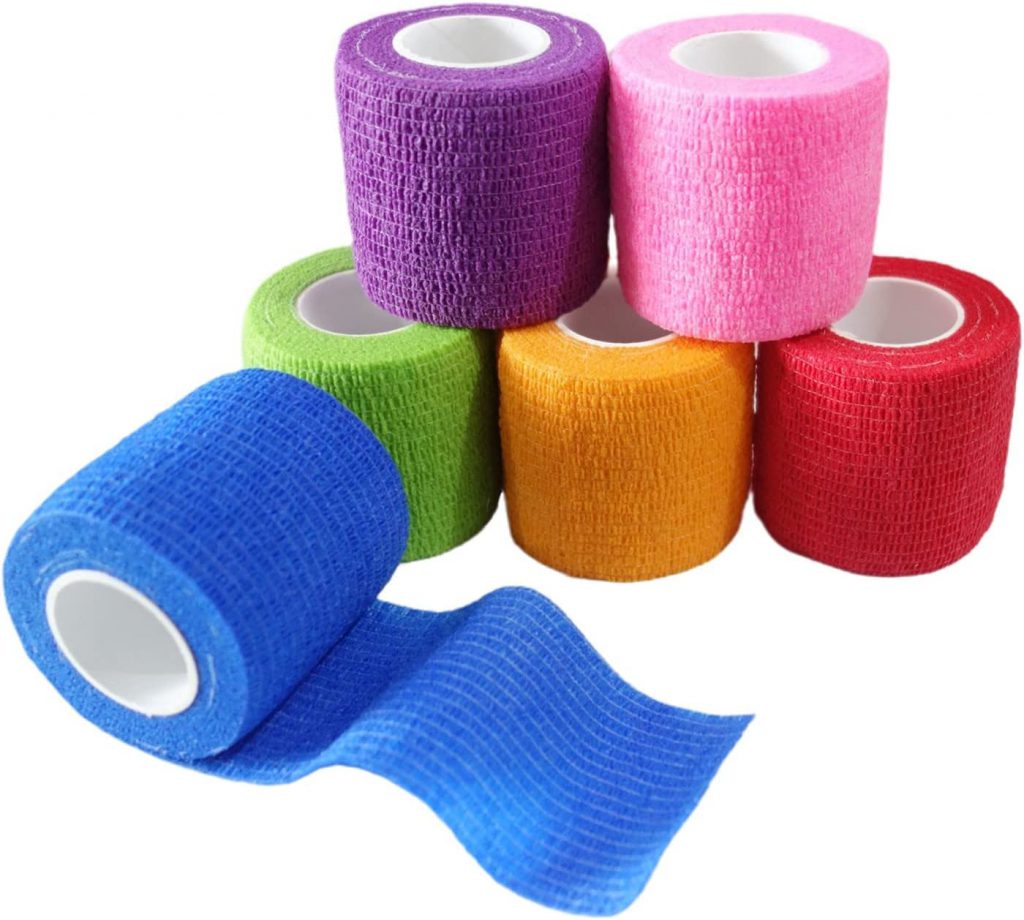
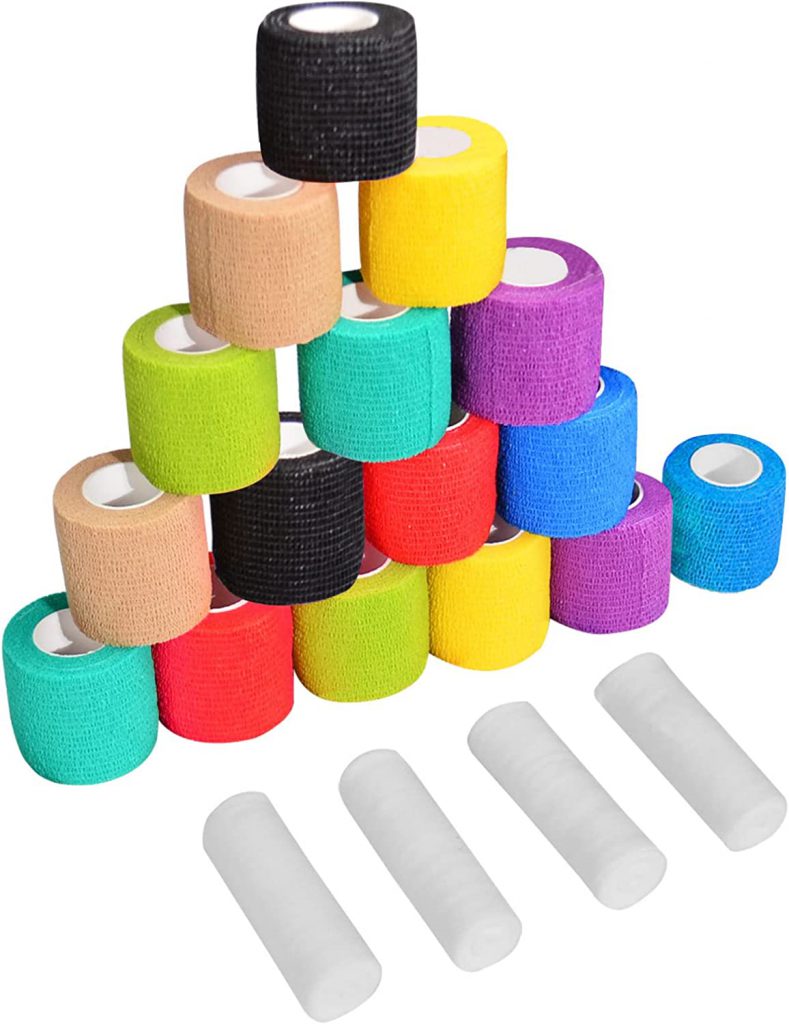
Adhesive Bandage Wrap (a.k.a. Vet Wrap) – comes in various colors and sizes to wrap over the Dexcom CGM sensor and transmitter. Vet wrap works like a compression band but is much easier to remove and dries faster. Also, allows for custom sizing of the wrap to cover Dexcom on arms, legs and stomach. Tip – vet wrap can shrink when going from dry-wet-dry again. It is important to check the tightness of the wrap throughout the day on young kids.

Sunscreen

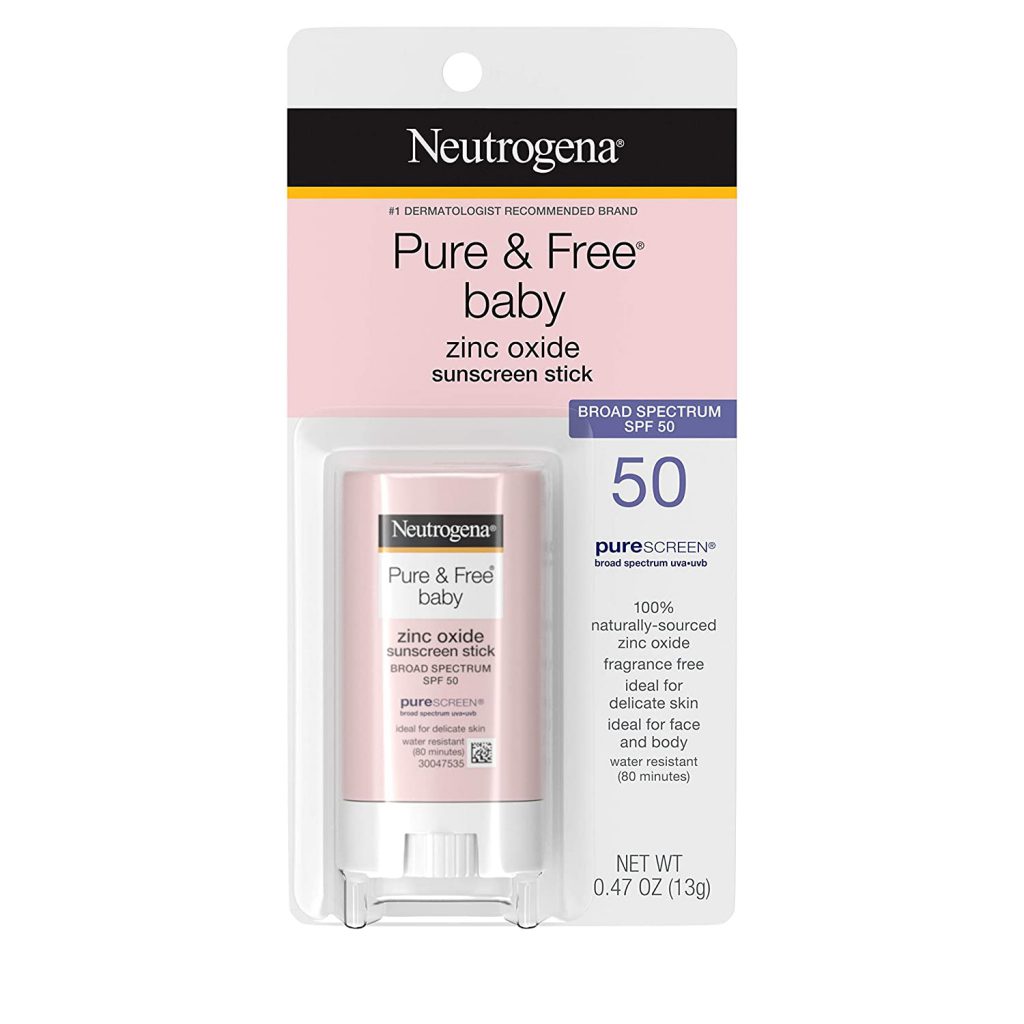
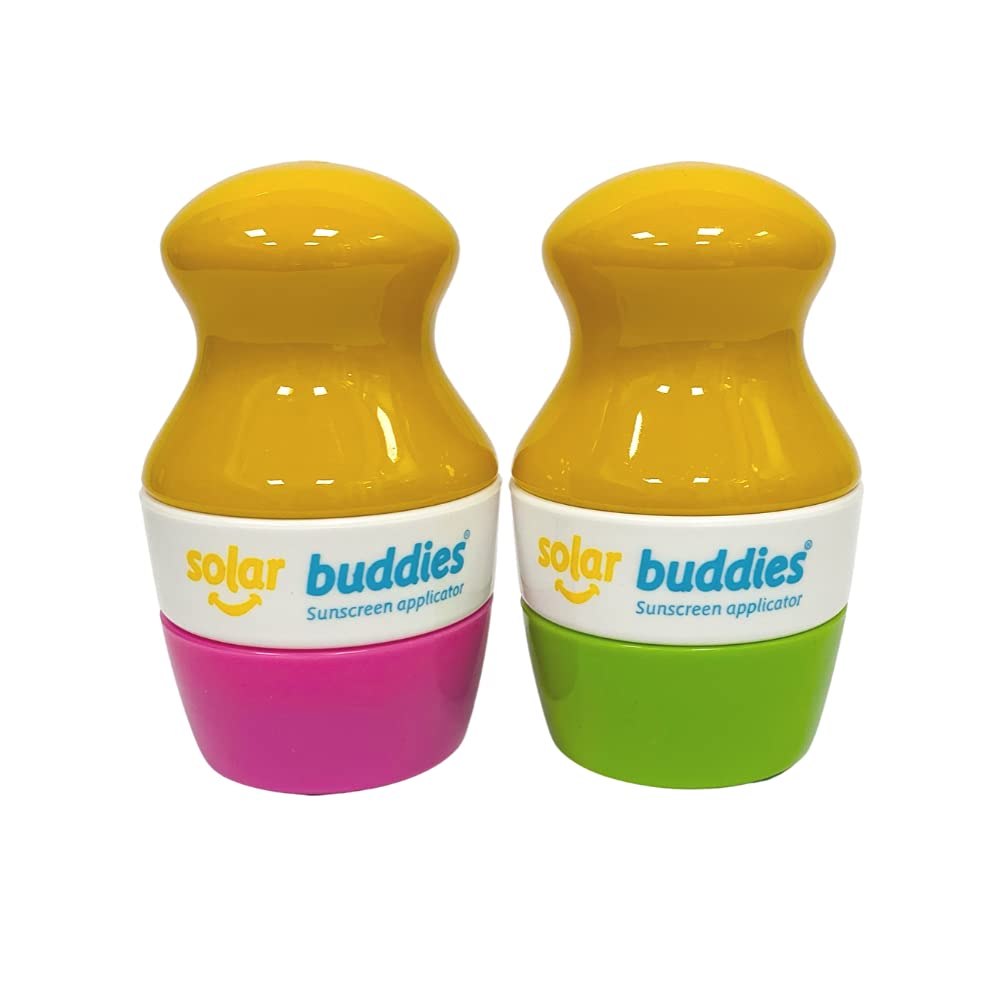
When applying sunscreen stay clear of the Dexcom sensor’s adhesive patch (sunscreen can make the adhesive malleable and device will just slide off). Consider using a sunscreen stick or solar buddy to apply sunscreen safely around adhesive patches.
Sunscreen Stick
Solar Buddy

T1D Make OmniPod Stick for 3 Full Days

Posted on June 22, 2023June 23, 2023 By Diabetes Amigo
T1D Make OmniPod Stick for 3 Full Days
Tips

The OmniPod Insulin Pump has an adhesive patch that adheres to the body and is expected to last 3 full days. Daily life (baths, swimming, heat, etc.) and your personal skin can cause the pod’s adhesive to fail. Add extra adhesive or utilize accessories to help keep the pod securely in place for 3 days.

Extra Adhesive / Accessories / Sunscreen

This post may contain affiliate links. Please see the affiliate disclosure for more details.

Add Extra Adhesive

Lexcam Overpatches (latex free)

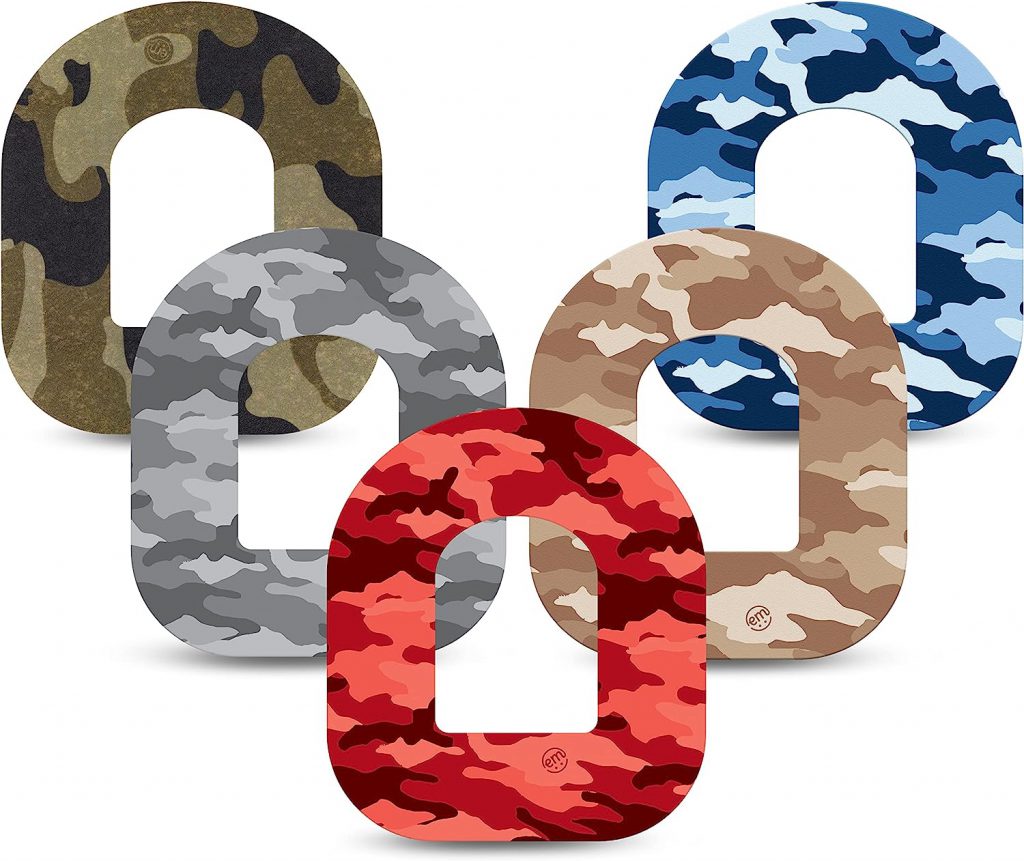
Overpatches – add an extra adhesive patch over OmniPod’s initial adhesive patch. Overpatches are typically precut to fit the pod (and available in various colors and designs).

Colored Overpatches
Overpatches with Designs
Overpatch with Strap
OmniPod Shield

Shield – Add a shield before applying an overpatch to your Pod to allow for easy removal of the overpatch. The shield protects the pod’s initial adhesive patch when applying/removing an overpatch. When the overpatch starts to peel at the edges, simply remove the extra overpatch without disturbing the pod’s initial adhesive patch.

Skin Tac Liquid Adhesive

Liquid Adhesive – Adding an adhesive barrier with liquid adhesive before applying a pod provides skin protection and extra adhesive to the pod’s initial adhesive patch. A second layer of liquid adhesive on top of the pod’s patch provides even more sticking power. Further, apply liquid adhesive to the edges of an adhesive patch that starts to peel-up from daily wear-and-tear. Purchase in economical bottle or in travel wipe size.

Skin Tac Wipes

Accessories

OmniPod Arm Band

Arm Bands – Arm bands can worn over a pod’s initial patch or be used in addition to overpatches. Adding an arm band over a pod initial adhesive patch can help during water activities (be sure to keep the arm band on until the adhesive patch dries to help keep the adhesive patch and cannula in place.

Compression Band

Compression Band – wear a compression band over a pod to protect a pod from being ripped off your body and during water activities (wear in water and then wear the compression band until the band dries to help keep the adhesive and cannula in place).

Vet Wrap

Adhesive Bandage Wrap (a.k.a. Vet Wrap) – comes in various colors and sizes to wrap over the pod. Vet wrap works like a compression band but is much easier to remove and dries faster. Also, allows for custom sizing of the wrap to cover pods on arms, legs and stomach. Tip – vet wrap can shrink when going from dry-wet-dry again. It is important to check the tightness of the wrap throughout the day on young kids.

Sunscreen

When applying sunscreen stay clear of the pod’s adhesive patches (sunscreen can make the adhesive malleable and device will just slide off). Also, avoid spray sunscreen because it causes pods to crack/leak. Consider using a sunscreen stick or solar buddy to apply sunscreen safely around adhesive patches and pods.

Sunscreen Stick
Solar Buddy

T1D Making CGMs and Pumps Stick in Water

Posted on June 13, 2023June 16, 2023 By Diabetes Amigo
T1D Making CGMs and Pumps Stick in Water
Tips

Water and Type 1 Diabetics (T1D) medical devices (Continuous Glucose Monitors [CGMs], insulin pumps and infusion sites) require special considerations for T1Ds. When adhesives patches get wet for long periods of time, the adhesive can become mailable causing the adhesive patch to more around and/or fall off. Have a relaxing and manageable day in the water (swimming, pool, lake, beach, ocean, etc.) with the right preparations for managing Type 1 Diabetes adhesives.

Overpatch / Arm Bands / Shield / Liquid Adhesive / Vet Wrap / Sunscreen

This post may contain affiliate links. Please see the affiliate disclosure for more details.

Overpatches Extra Adhesive for CGMs and Pumps

Overpatches add an extra adhesive patch over the T1D medical device’s initial patch. Overpatches are typically precut to fit the T1D device (Dexcom, Libre, Infusion site or OmniPod) but you can also make you own patches.

  • Dexcom Overpatch Options
Lexcam Hypoallergenic and Latex-Free
Free Overpatches
from Dexcom
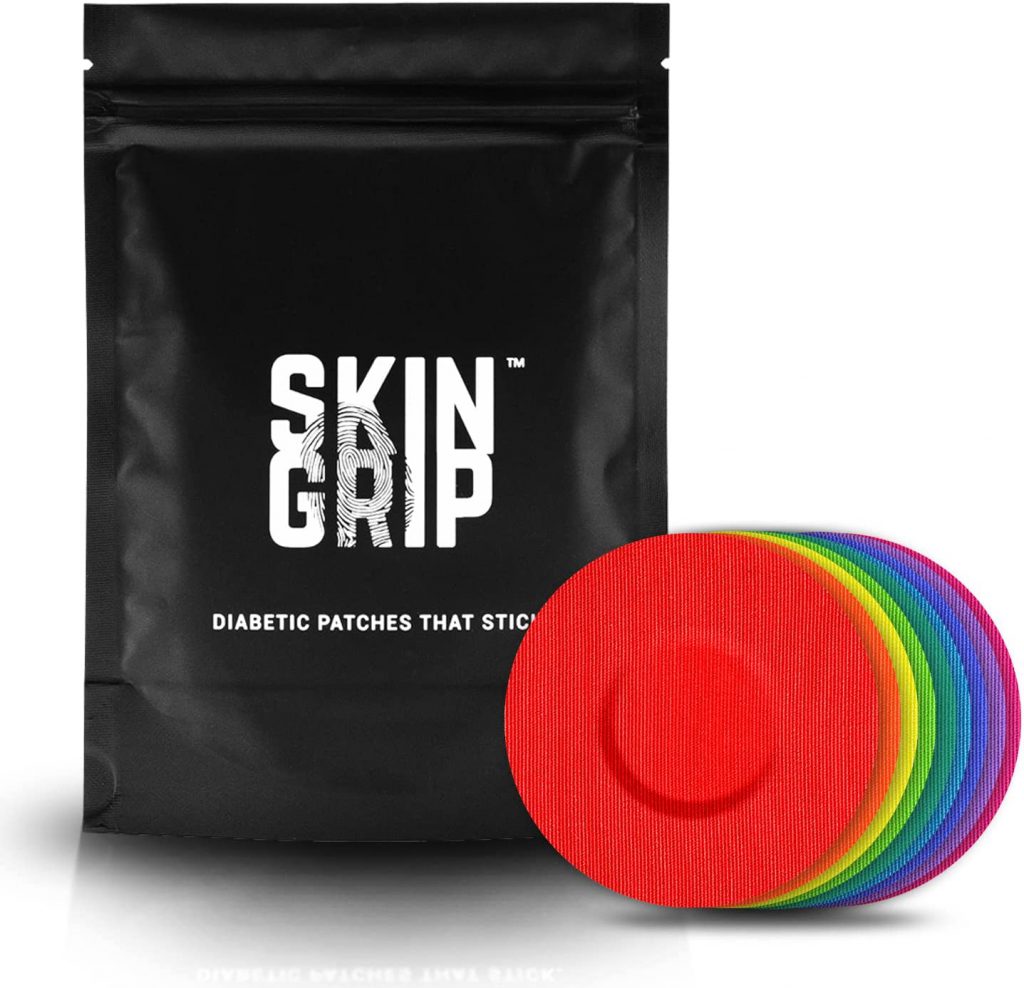
Skin Grip
Rayon that is latex/ zinc oxide free and hypoallergenic
Expression Med
Exclusive non-woven material in many designs
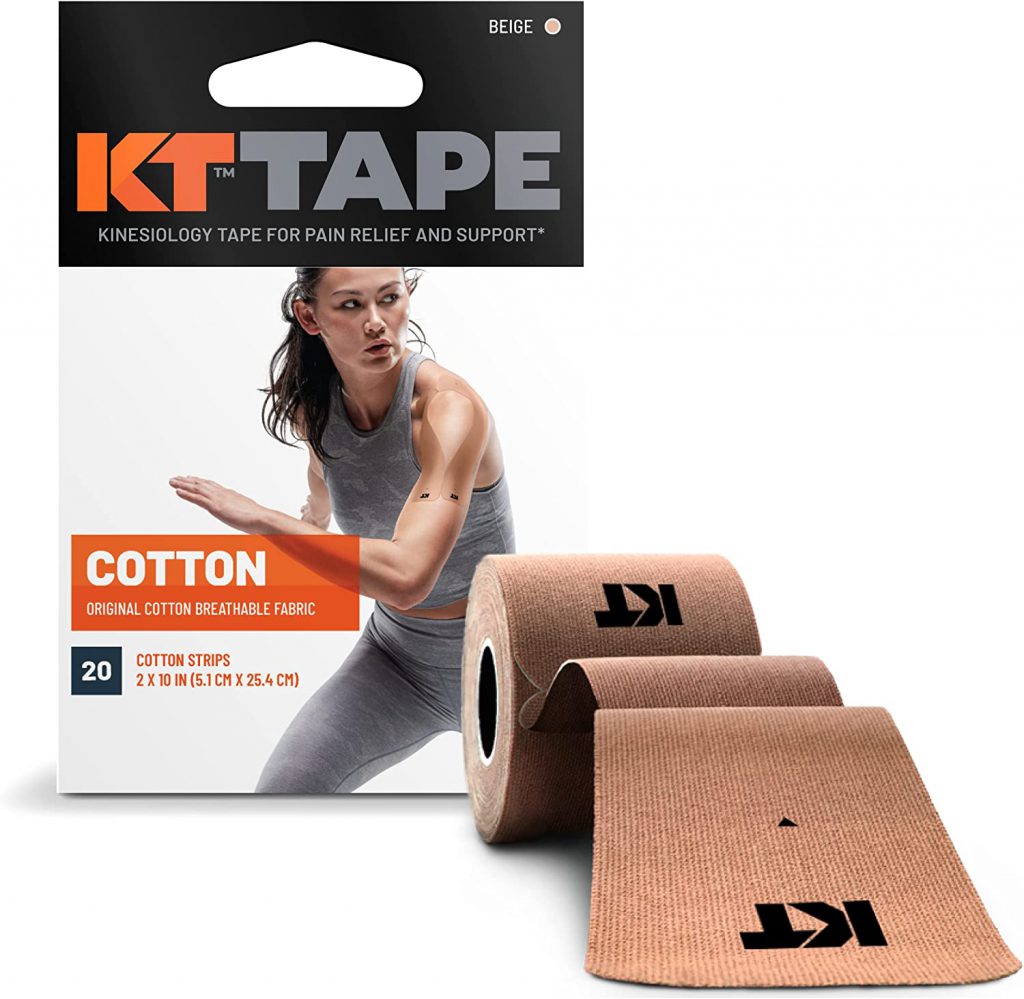
Make Your Own Patch with Athletic Tape
  • Libre Overpatch Options
Lexcam Hypoallergenic and Latex-Free
Skin Grip
Rayon that is latex/ zinc oxide free and hypoallergenic
Expression Med
Exclusive non-woven material in many designs
Make Your Own Patch with Athletic Tape
  • OmniPod Overpatch Options
Overpatches
Skin Grip
Rayon that is latex/ zinc oxide free and hypoallergenic
Expression Med
Exclusive non-woven material in many designs
Make Your Own Patch with Athletic Tape

Shields

Add a shield before applying an overpatch to a T1D medical device to allow for easy removal of the overpatch. The shield protects the initial medical device’s adhesive patch when applying an overpatch. When the overpatch (applied over the shield) starts to peel at the edges, simply remove the extra overpatch without disturbing the initial adhesive patch.

Dexcom Shield
OmniPod Shield
Libre Shield

Arm Bands

Arm bands can worn over T1D medical device’s initial patch or be used in addition to overpatches. Adding an arm band over a T1D medical device while in water and then wearing it until the adhesive patch dries, helps keep the adhesive in place. Use a device specific arm band (Dexcom, Libre or Omnipod) or general compression band over all devices.

Dexcom Arm Band
Libre Arm Band
OmniPod Arm Band
Compression Arm Band

Liquid Adhesive

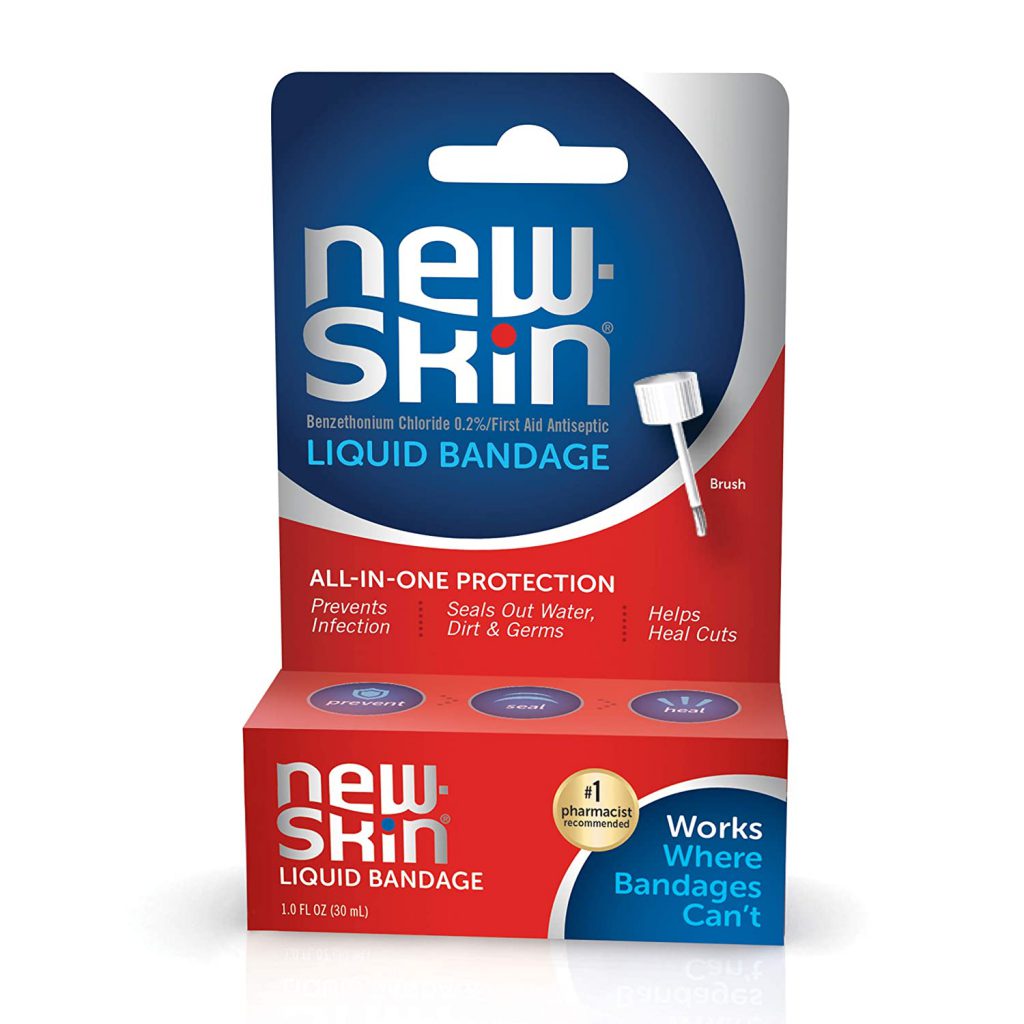
Adding an adhesive barrier before applying a T1D medical device (Dexcom, Libre, Infusion Site, OmniPod) provides extra adhesive to the initial adhesive. A second layer of liquid adhesive on top of the adhesive patch provides even more sticking power. Further, apply liquid bandage to edges of an adhesive patch that starts to peel-up from daily wear-and-tear from being in water.

Skin Tac Liquid Adhesive
Skin Tac Wipe
New Skin Liquid Bandage

Adhesive Bandage Wrap

Adhesive Bandage Wrap (a.k.a. vet wrap) comes in various colors and sizes to wrap over T1D medical devices. Vet wrap works like a compression band but is much easier to remove and dries faster. Vet wrap can shrink when going from dry-wet-dry again. It is important to check the tightness of the wrap throughout the day on young kids.

Vet Wrap for CGMs

Sunscreen

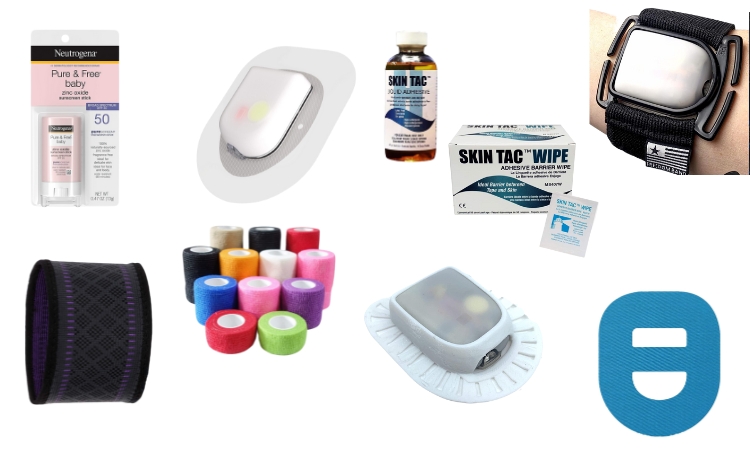
Keep your skin protected even at indoor pools. Sunburns can cause high blood glucose levels and ruin your fun. When applying sunscreen stay clear of the medical device’s adhesive patches (sunscreen can make the adhesive malleable and device will just slide off) and OmniPod insulin pumps (sunscreen causes pods to crack/leak). Consider using a sunscreen stick or solar buddy to apply sunscreen safely around adhesive patches.
Sunscreen Stick
Solar Buddy

Swimming and T1D Type 1 Diabetes

Posted on May 31, 2023June 10, 2023 By Diabetes Amigo
Swimming and T1D Type 1 Diabetes
Day-to-Day T1D

Pool days and swimming require special considerations for Type 1 Diabetics. Have a relaxing and manageable day swimming at the pool with the right preparations for managing Type 1 Diabetes (medical devices [pumps and CGMs] and blood sugars).

Supplies / Insulin / BGs / Hot Tubs / Swimwear / Sunscreen

This post may contain affiliate links. Please see the affiliate disclosure for more details.

Supplies

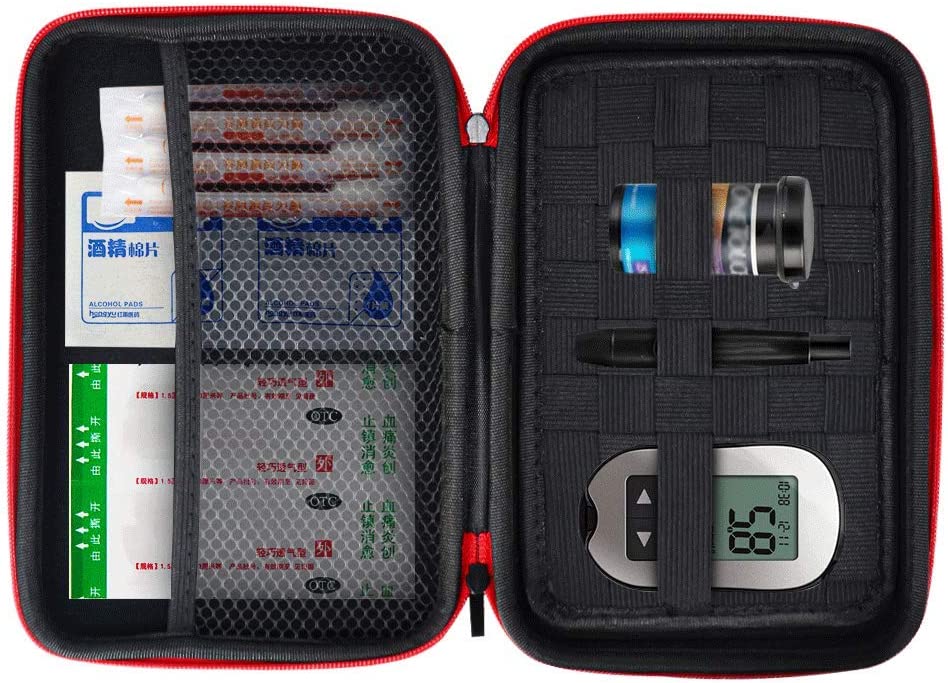
We have a compact daily supply bag that holds all our Type 1 Diabetes (T1D) supplies. The supply bag is compact and convenient when accessing supplies. For pool days, consider additionally bringing the following supplies:
  • Extra CGM (Dexcom or Libre) sensor and transmitter – just in case the entire device is lost in the water, a back up might be needed.

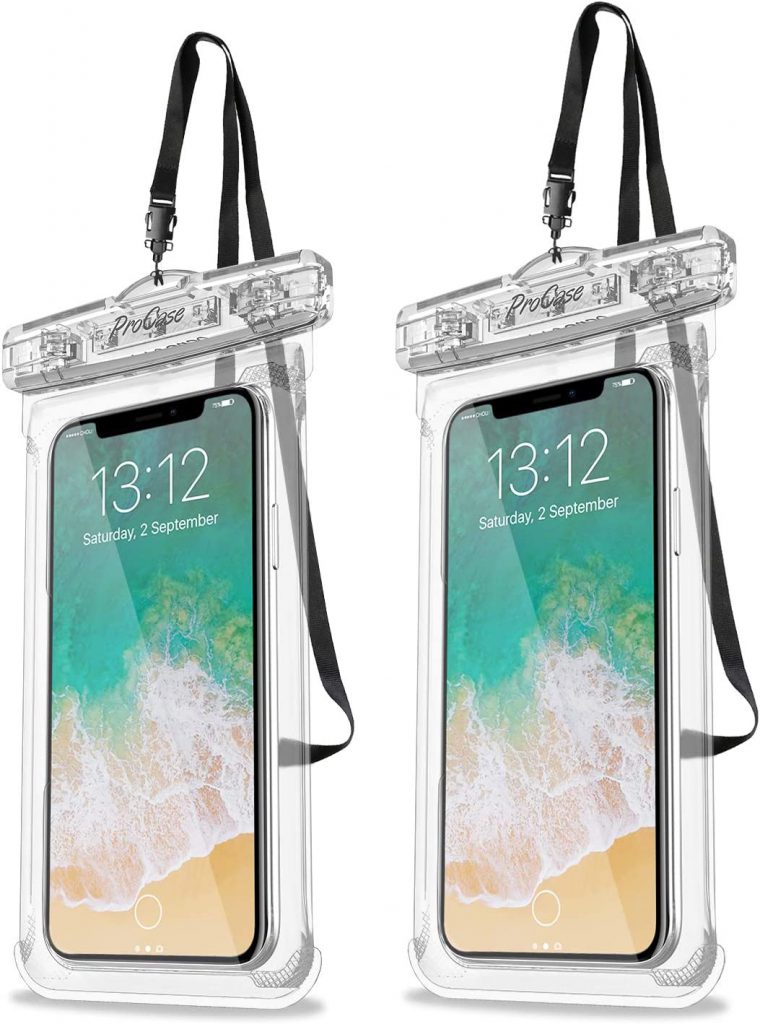
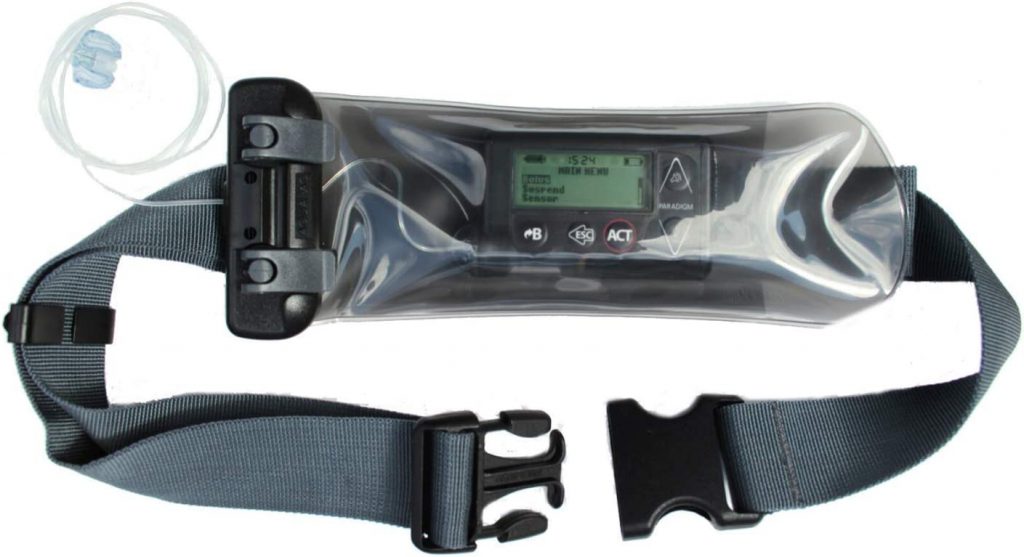
  • Waterproof Cases – consider keeping receivers, phones, pump controllers, and pumps (disconnected or connected) in waterproof cases.
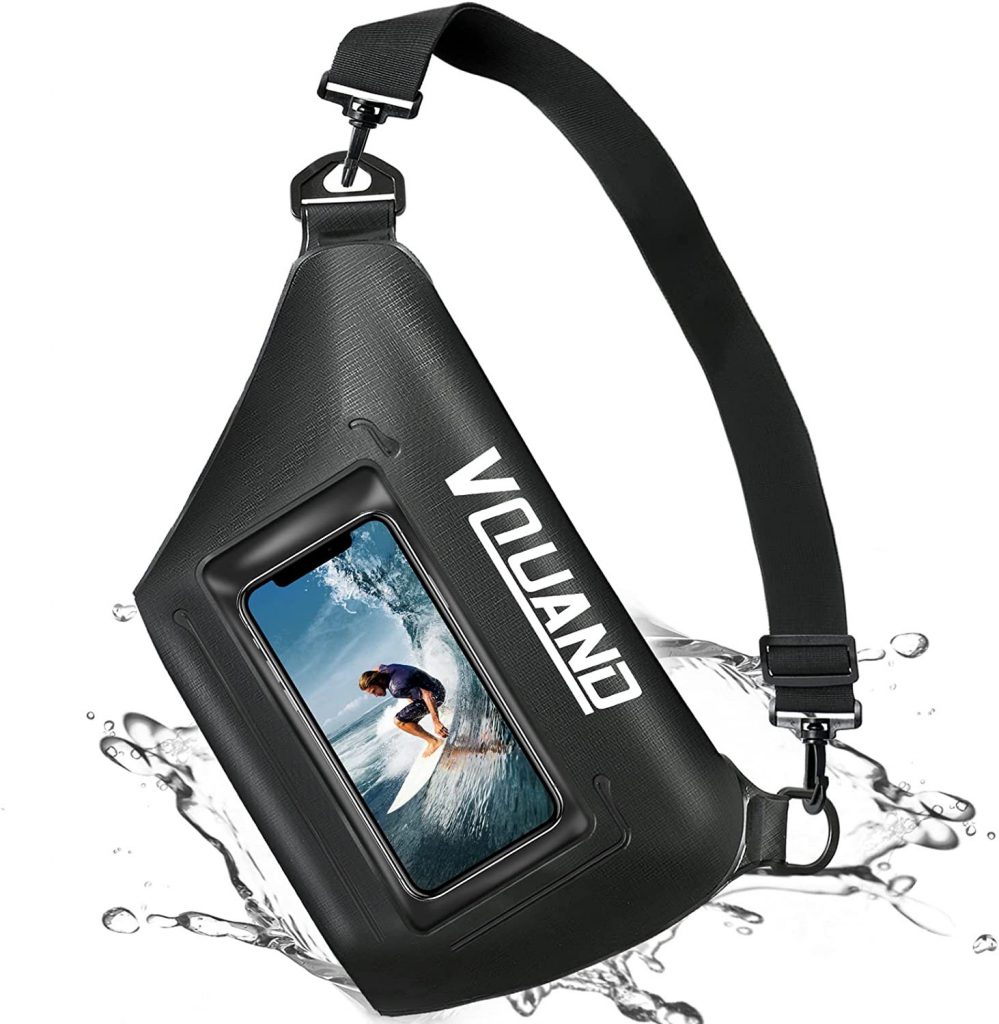
Waterproof Fanny Pack
Waterproof Phone Case
Waterproof Pump Belt that Allows for Tubing
  • Extra Protection for the CGM and Pump – options include overpatches, CGM shield, armbands and/or vet wrap. Giving the medical devices extra help to stay on during hours of being submerged in water helps.
Overpatches
Shield
Armband
Compression Arm Band
Vet Wrap
  • Travel BG Checking Supplies – CGMs do not send blood glucose data to receivers or phones while swimming underwater. Getting the CGM and phone to reconnect can take up to 15 minutes once out of the water. In the absence of CGM data, we manually test blood sugars every 30 minutes. Consider keeping a small bag that only holds lancer, lancets, blood glucose test strips, the meter and low supplies for easy access. This helps to keep all other supplies dry and manual BG supplies easily accessible.
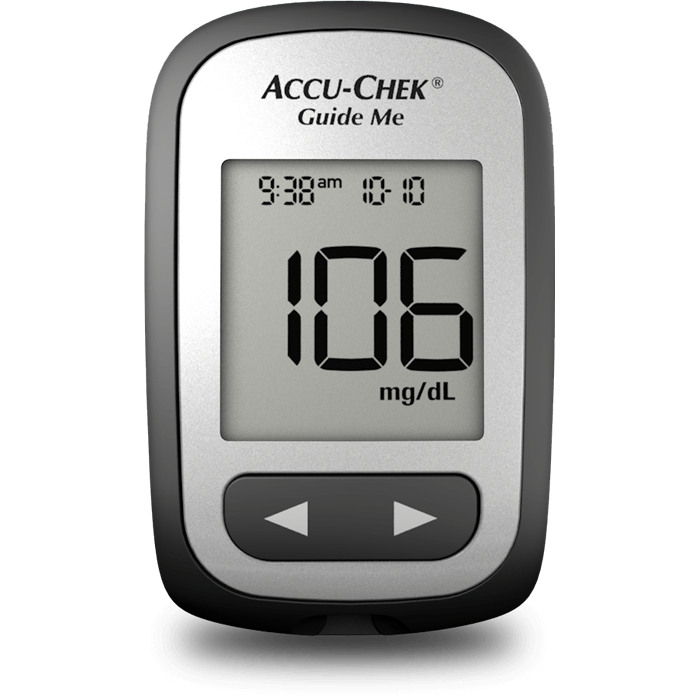
Blood Sugar Management Supply Case
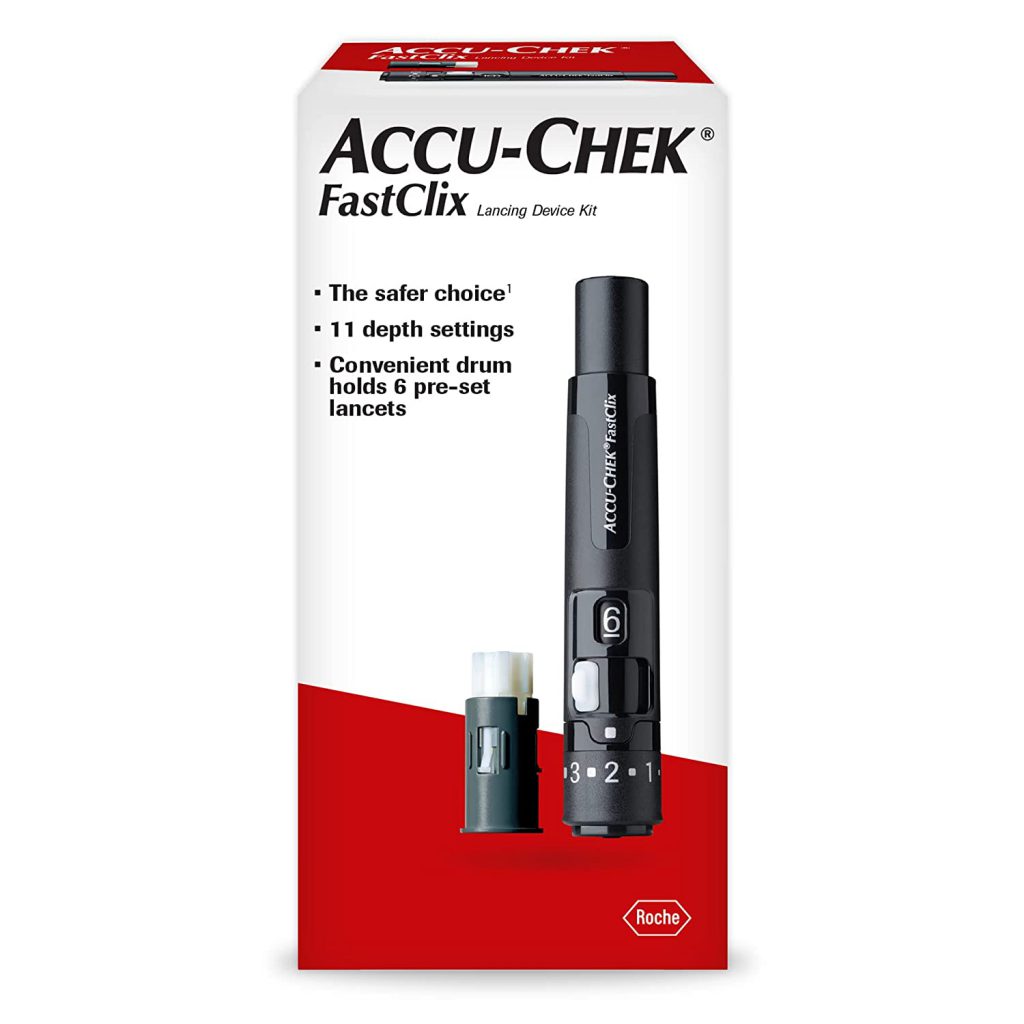
Lancer
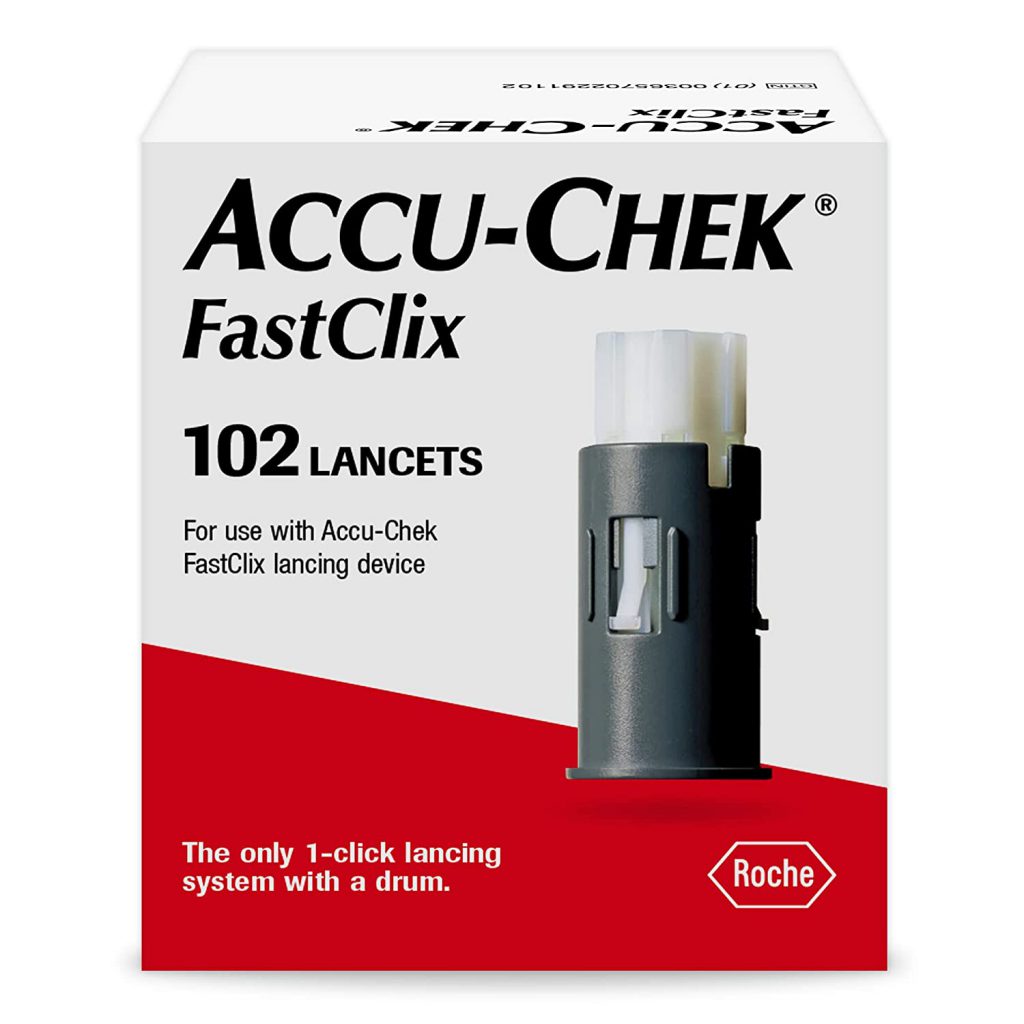
Lancets
Free BG Meter
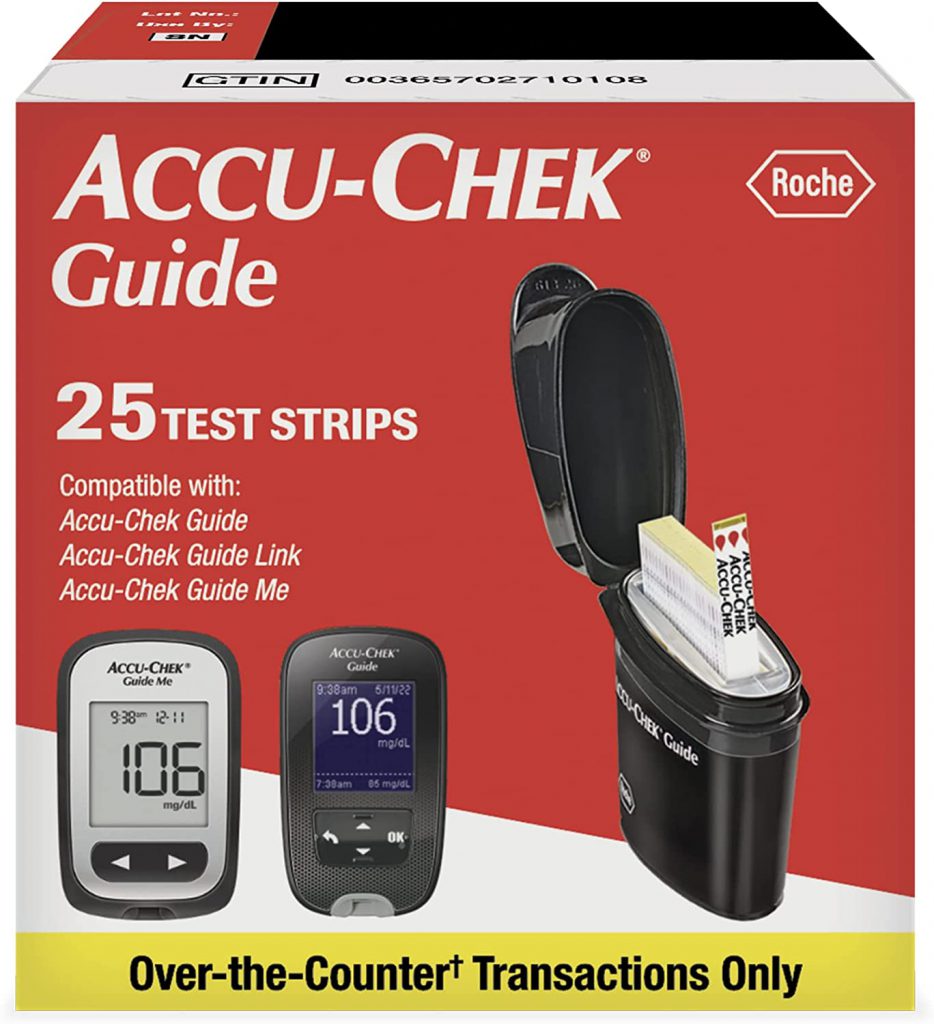
Test Strips

Insulin

Consider keeping the daily supply bag containing insulin pens or vials out of direct sun exposure. Simply keep the supply bag under your pool seat for shade to keep insulin from getting too hot. If you are concerned about insulin in the shade, here a few tips for keeping insulin at the right temperature:

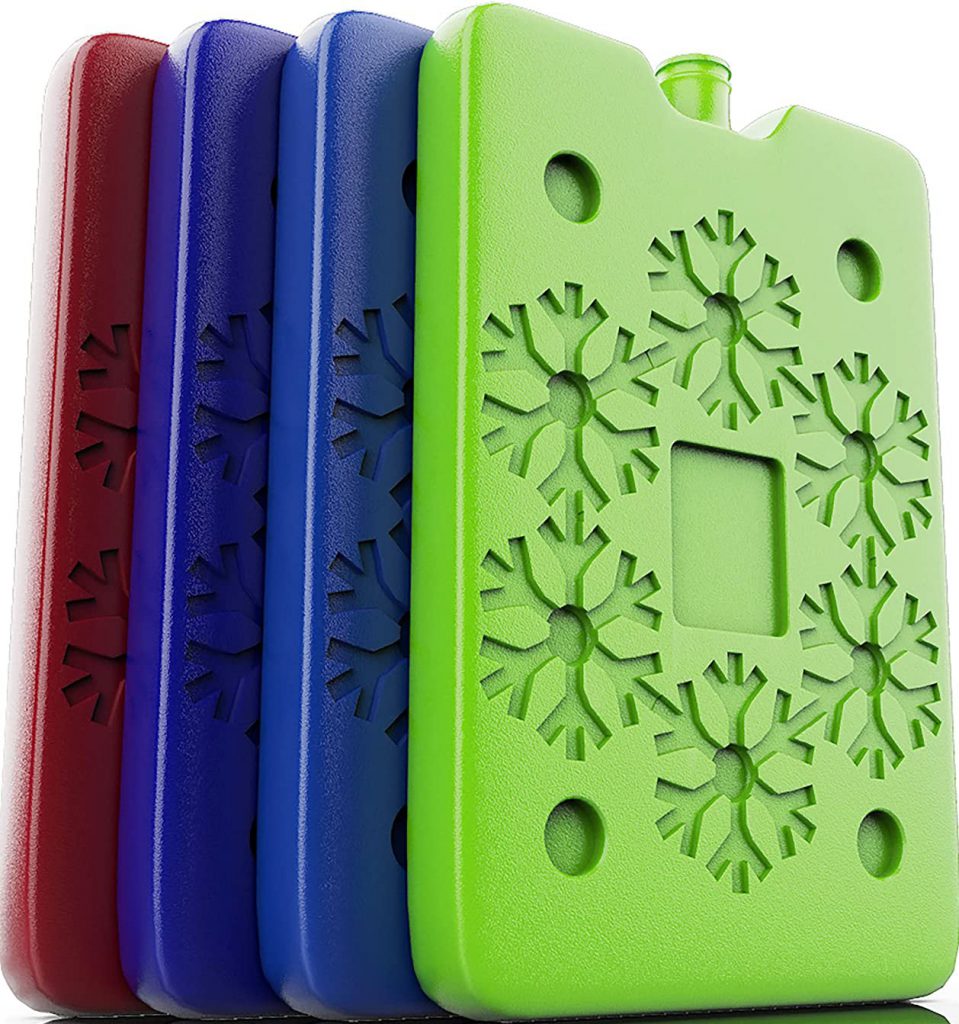
  • Lockers – public pools typically have lockers that can get hot (typically a metal box that heats up in both indoor and outdoor pools). Keep supplies cool with ice packs or look for lockers in the shade.
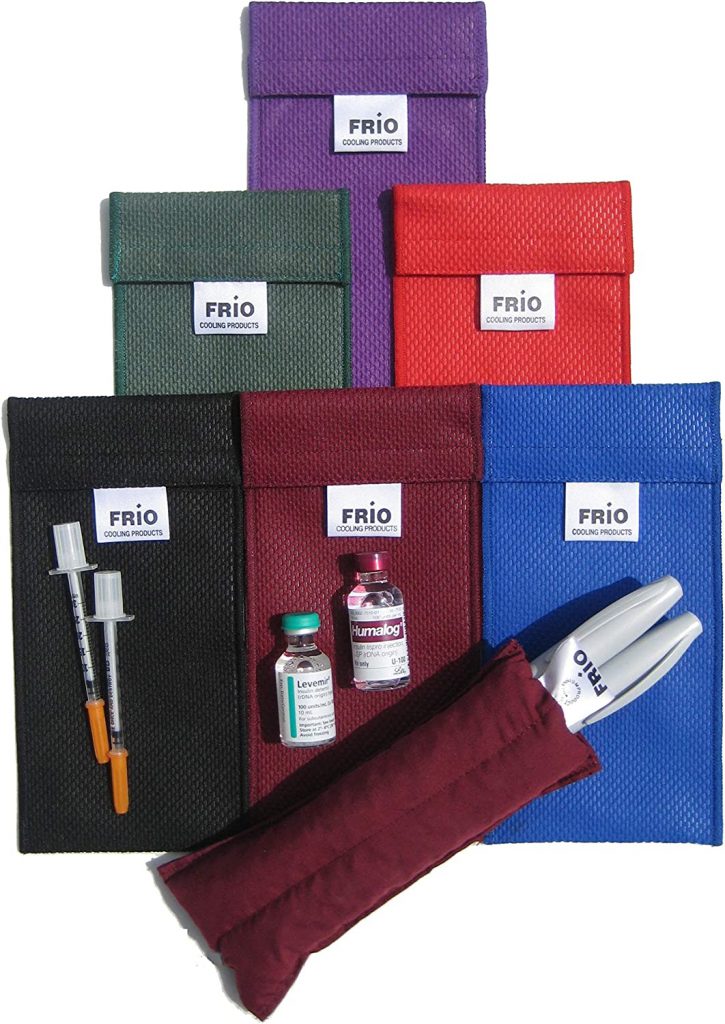
  • Frio Wallet – a Frio Wallet will help keep insulin vials and pens cool and does not require a fridge/freezer to activate.
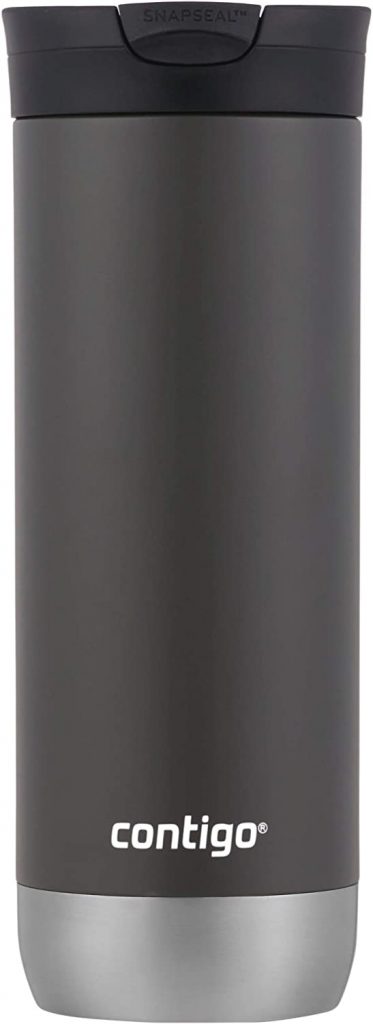
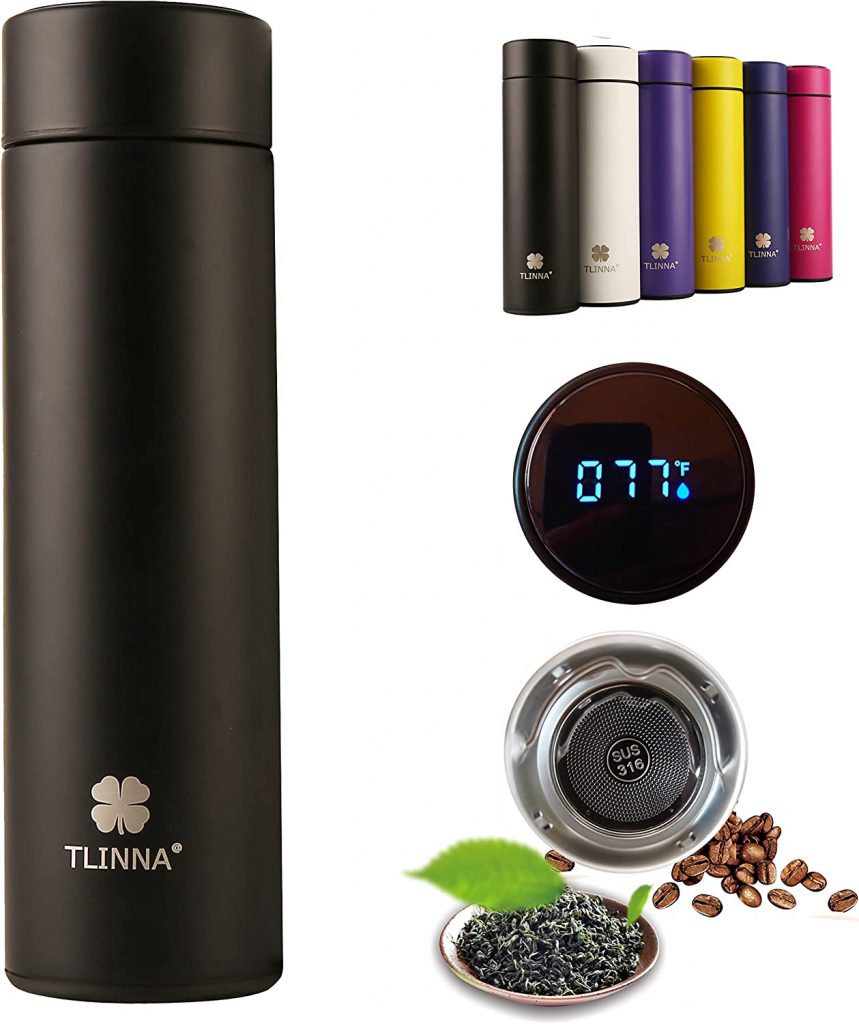
  • Insulated Bottle – add ice to an insulated bottle, wrap your insulin pen/vial in a paper towel or Frio bag (adds insulation so the insulin is not directly in freezing water, if the ice melts), place the wrapped insulin pen/vial in sandwich bag and secure with the bottle’s lid. A coffee travel mug works well because of the wide mouth design (any insulted water bottle works though).
Frio Wallet (Insulin Cooler)
Insulated Tumbler
Insulated Tumbler with LED Temperature Display
Ice Packs

Blood Sugars

Every Type 1 Diabetic’s blood glucose levels respond differently while swimming at the pool. Variables that can effect blood sugar include water, water temperature, swimming, exercise, heat, excitement, adrenaline, etc. Be prepared for hypoglycemic (low), hyperglycemic (high) or blood sugars that stay in-range. Make adjustments to basal or I:C ratios based on the individual’s body and how it responds to exercise/water/heat.

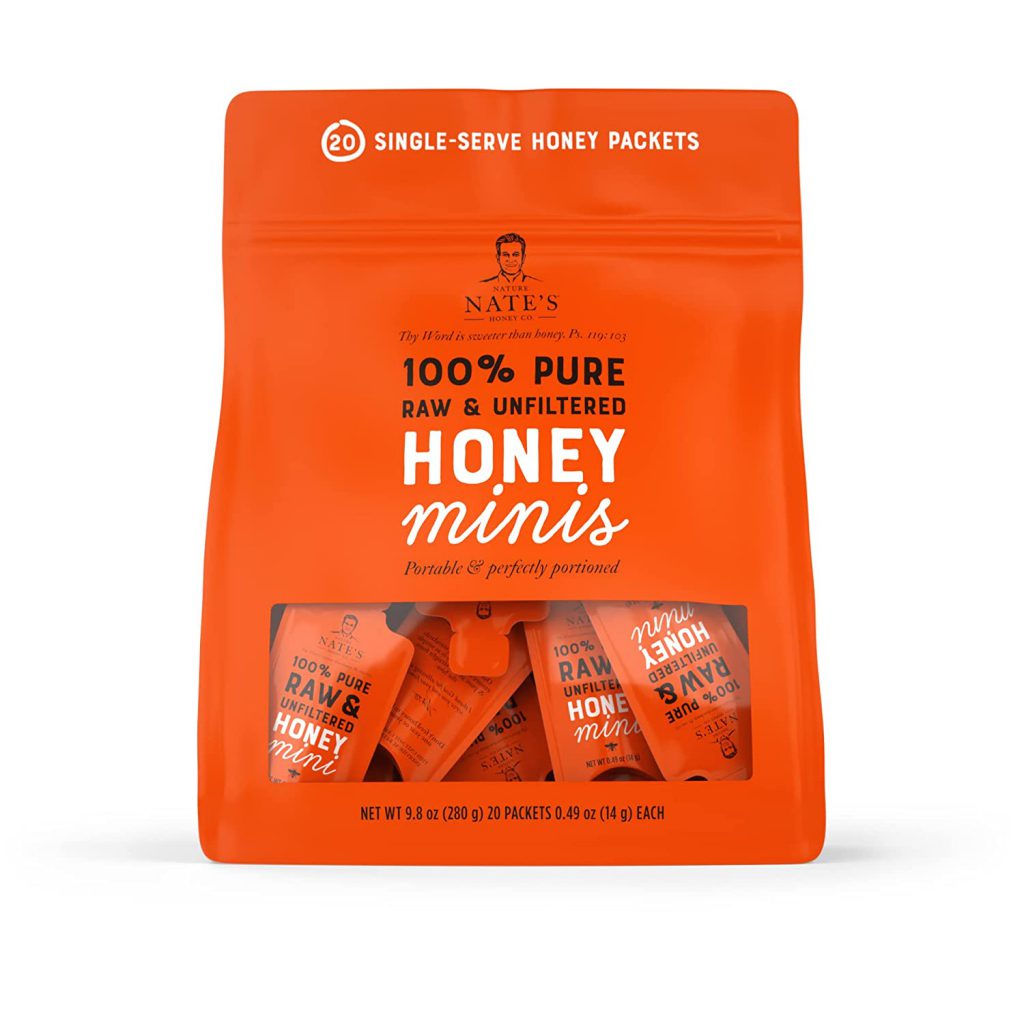
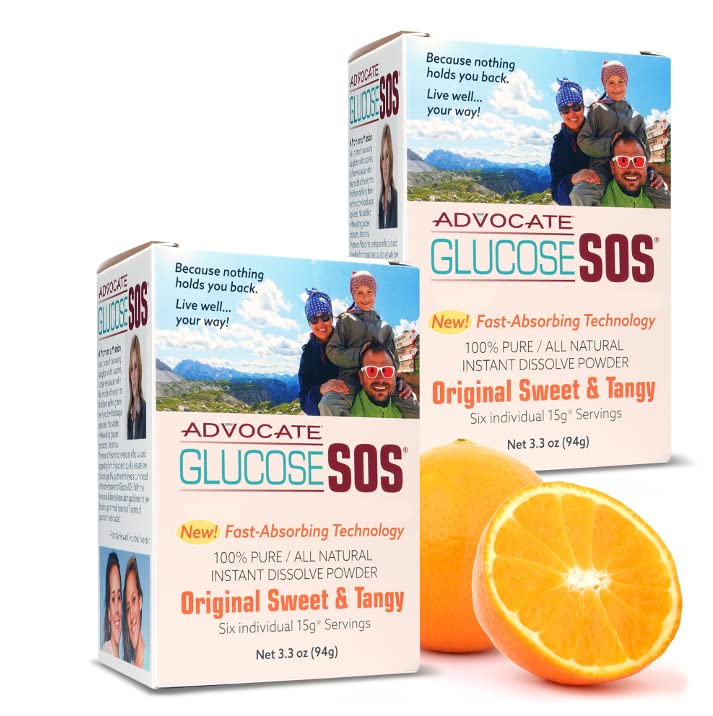
Favorite supplies for managing low blood sugars while swimming at the pool:

Honey Minis (12 carbs)
Glucose SOS (15 carbs)
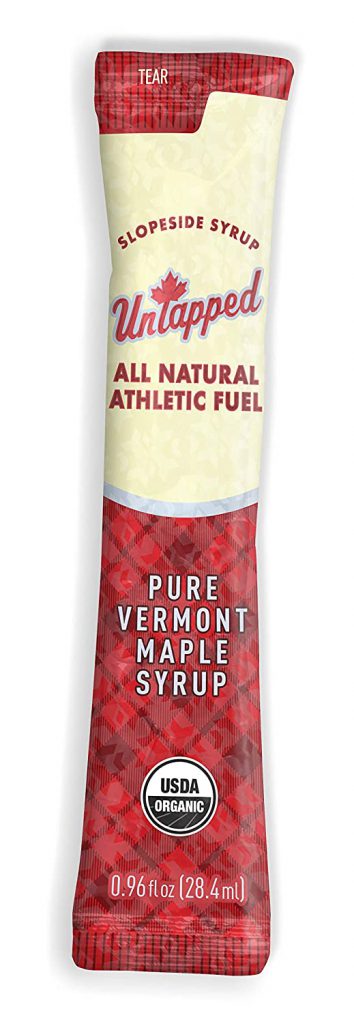
Maple Syrup Minis (26 carbs)
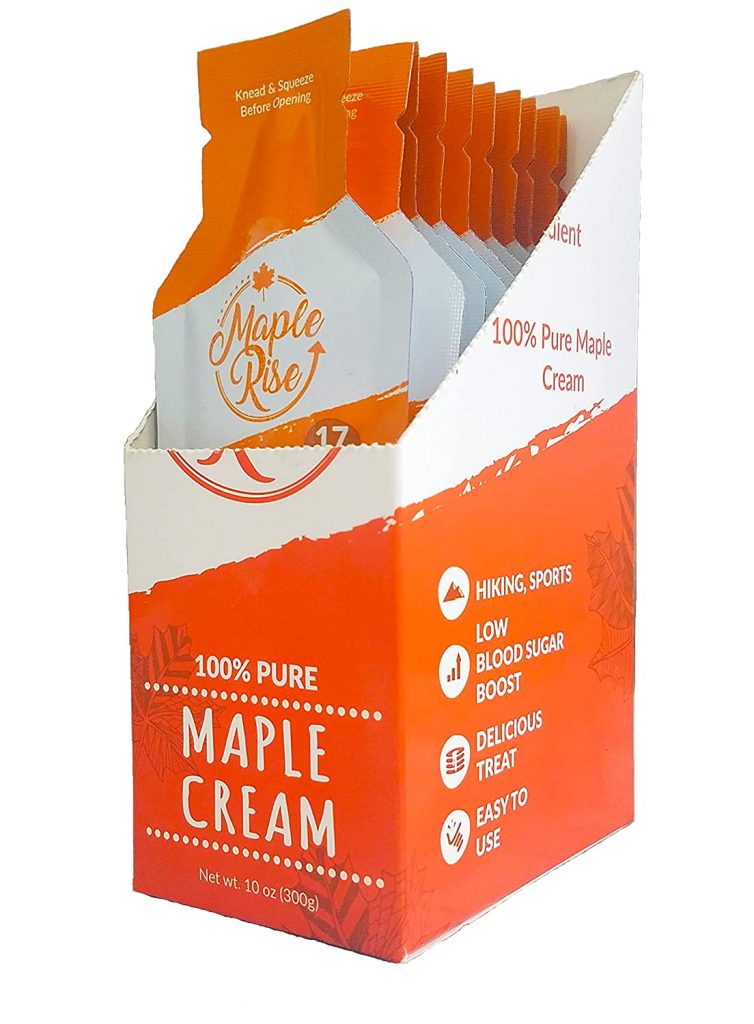
Maple Cream
(17 carbs)

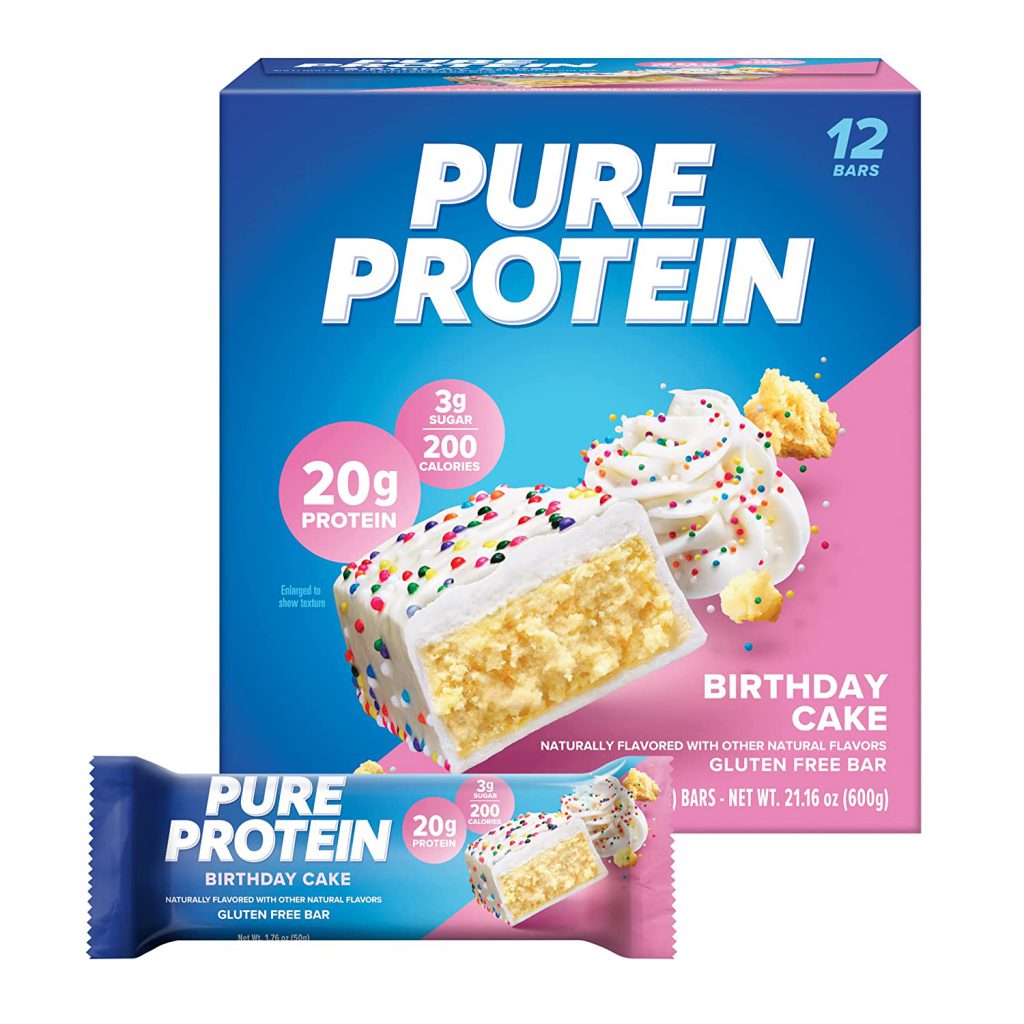
Favorite protein bars that travel well in a swim/pool bag (helps to maintain blood sugars in range):

Protein Bar 20g
Protein Bar 10g
Protein Bar 21g

Hot Tubs

Being in hot water can cause insulin to be absorbed faster. For insulin pumps users other than OmniPod you will have to disconnect and store your pump. This can cause blood glucose levels to rise faster than expected due to not receiving basal insulin while in the hot tub.

Swimwear

The right swimwear can help with keeping Type 1 Diabetes medical devices stuck to the skin while swimming. Consider swimwear that covers the devices for extra protection; cannon balls, diving and jumping into the pool all add extra force onto CGM’s and pump site’s adhesive.

  • Swimwear options:
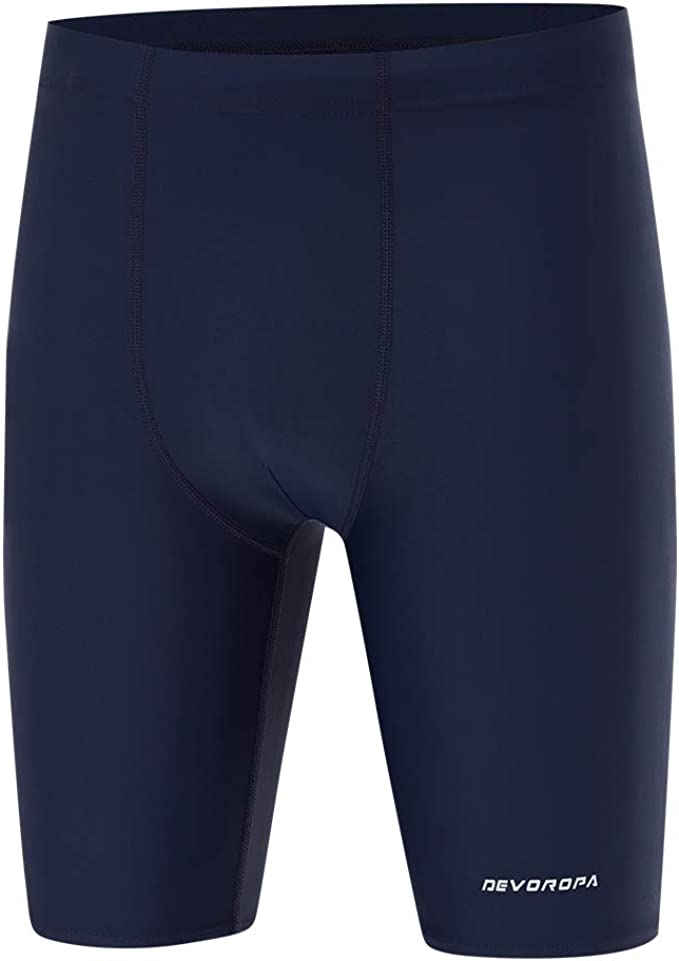
    • Swim Jammers – adding swim jammers under swim trunks can protect a CGM or pump site that is placed on the legs.
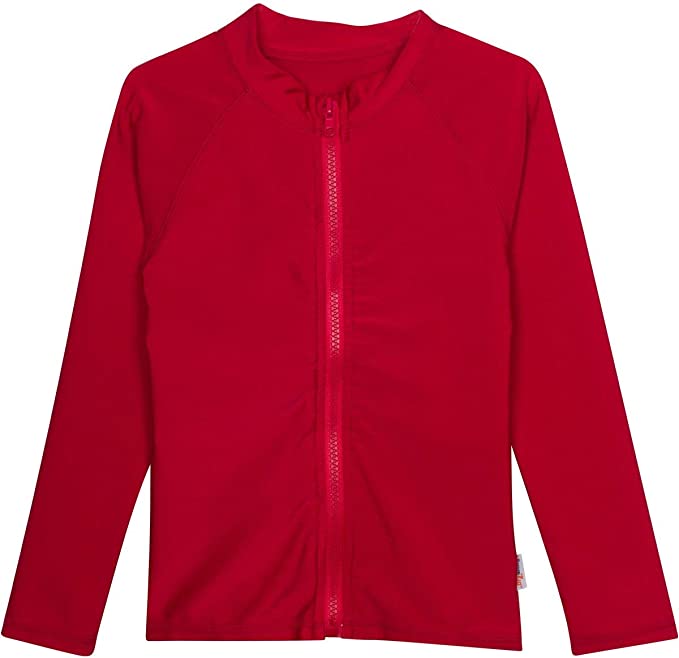
    • Rash Guard – a swim shirt or rash guard is helpful for avoiding sunburns and for protecting CGM or pump site that is placed on the stomach or arms.
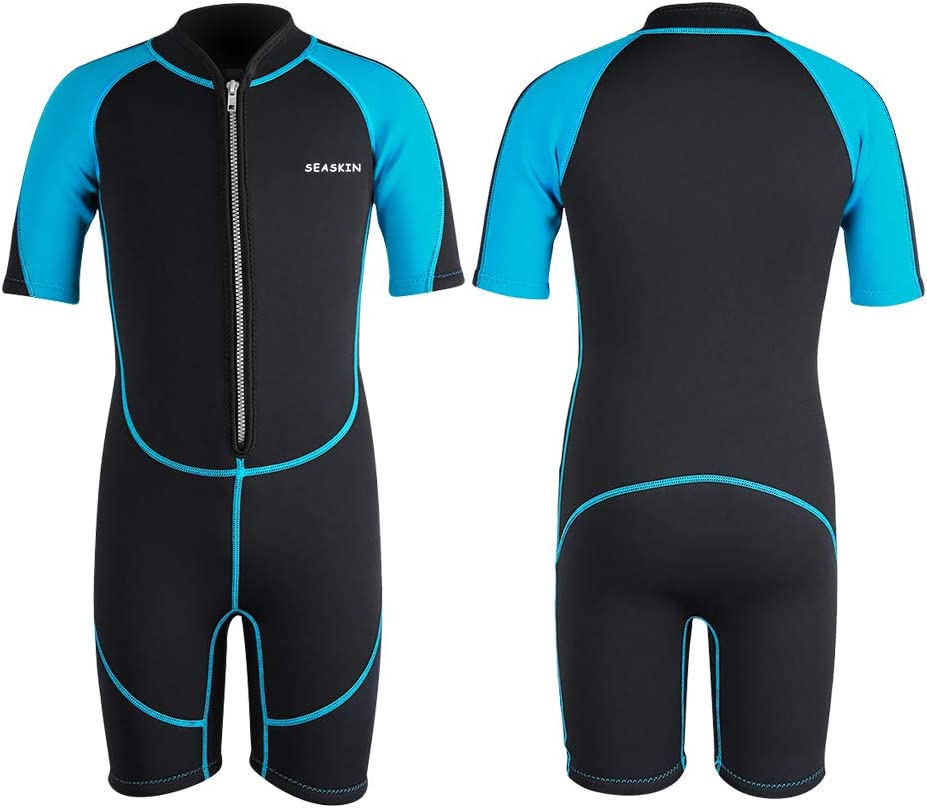
    • Wetsuit – a lightweight wetsuit (2mm) is comfortable to wear all day long, protects most CGM or pump sites all at one time and helps avoid sunburns.
Swim Jammers
Rash Guard with Zipper
Lightweight Wetsuit (2mm)

Sunscreen

Keep your skin protected even at indoor pools. Sunburns can cause high blood glucose levels and ruin your fun. When applying sunscreen stay clear of medical device’s adhesive patches (sunscreen can make the adhesive malleable and device will just slide off) and OmniPod insulin pumps (sunscreen causes pods to crack/leak).

Type 1 Diabetes at Water Parks

Posted on May 22, 2023May 23, 2023 By Diabetes Amigo
Type 1 Diabetes at Water Parks
Travel

Water activity requires special considerations for Type 1 Diabetics. Water parks like Great Wolf Lodge, Legoland, Disney’s Typhoon Lagoon, Knott’s Soak City, etc. are all manageable with preparation and thoughtful actions while at the parks.

Research / Supplies / BGs / Hot Tubs / Sunscreen

This post may contain affiliate links. Please see the affiliate disclosure for more details.

Research

Water parks typically have procedures for guests with special needs. Research the water park’s website or call to get information about how the park supports Type 1 Diabetics. It is helpful to know the park’s requirements before arriving (i.e., clear bag for supplies or sizing requirements for coolers). On each park’s website, look for Accessibility or Special Need Guests options.

T1D Supply Bag

Bring your daily diabetic supply bag including glucagon, Gvoke and/or BAQSIMI into the water park. Keeping the daily diabetic bag secure, accessible and at the right temperature are the main considerations.

  • Keeping Supplies Secure
    • First Aid or Life Guard Station – inquire if the water park will hold your diabetic supplies (including a disconnected insulin pump) at the First Aid Station. Most water parks have accommodations for special need guests and will securely store your supplies for free.
    • Seats – choose a seat where you can see from all angles. Your seat location is not only helpful for locating/seeing your kiddos throughout the day but also for keeping an eye on your personal belongings. Our family typically has one family member that stays at the seat to keep supplies and belongings safe and to create a “home base” (a meeting spot where the kids know they can always find a parent). We will trade-off through out the day who sits at home base to give each parent a break.
    • Visibility – keep supplies tucked away and not out in the open.
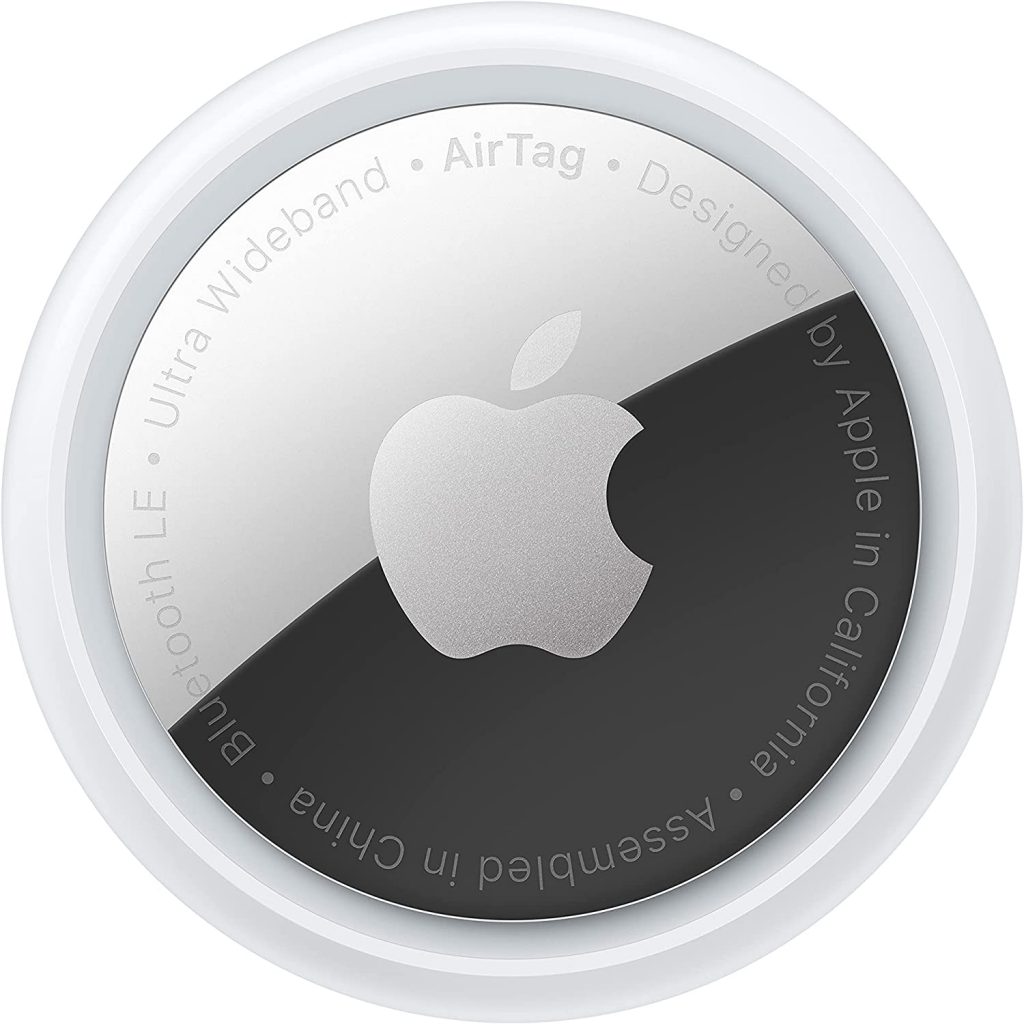
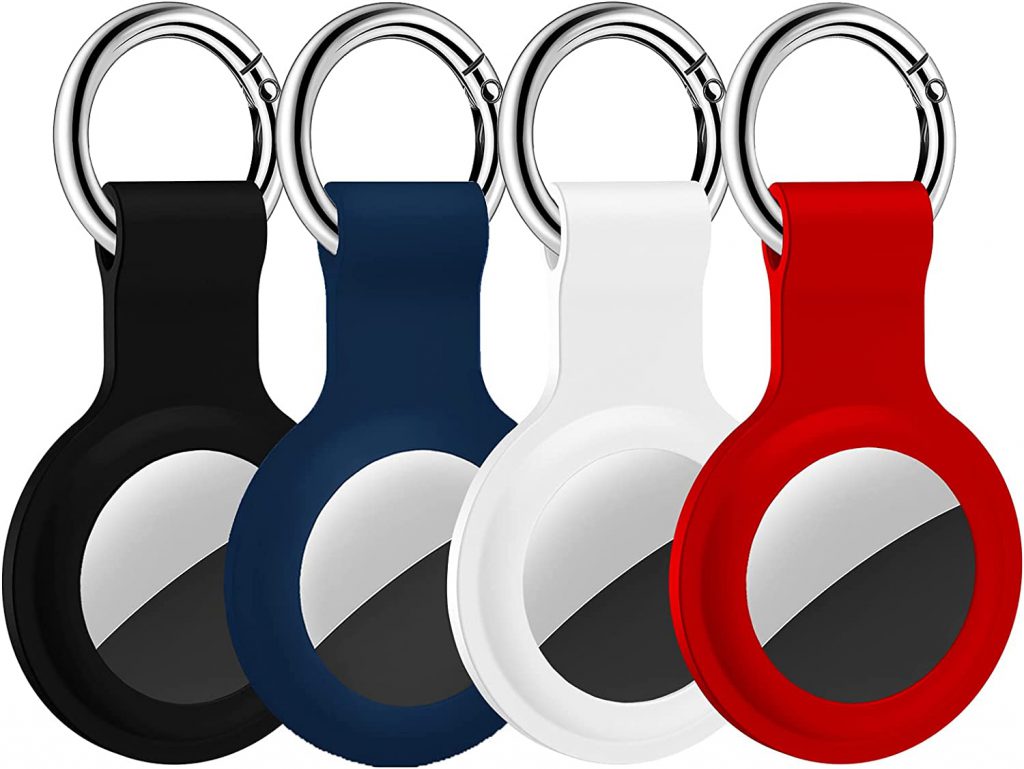
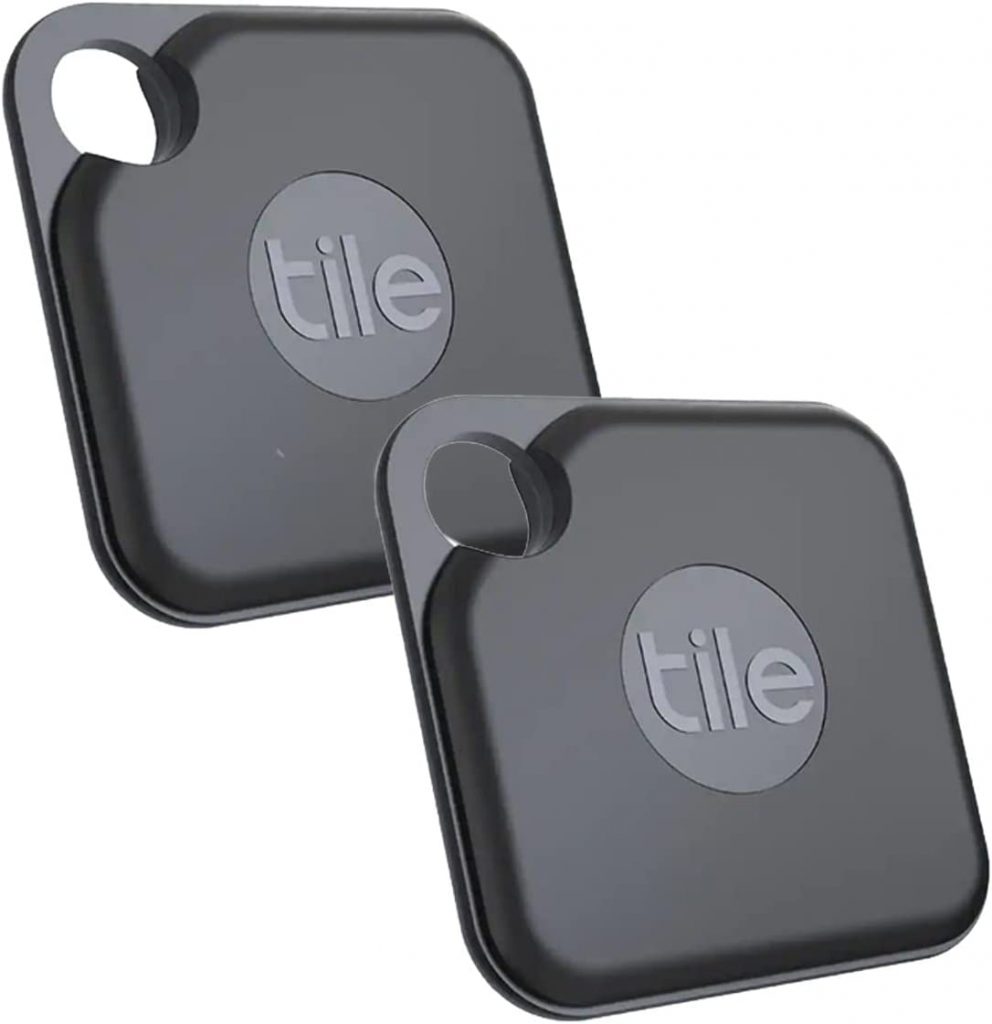
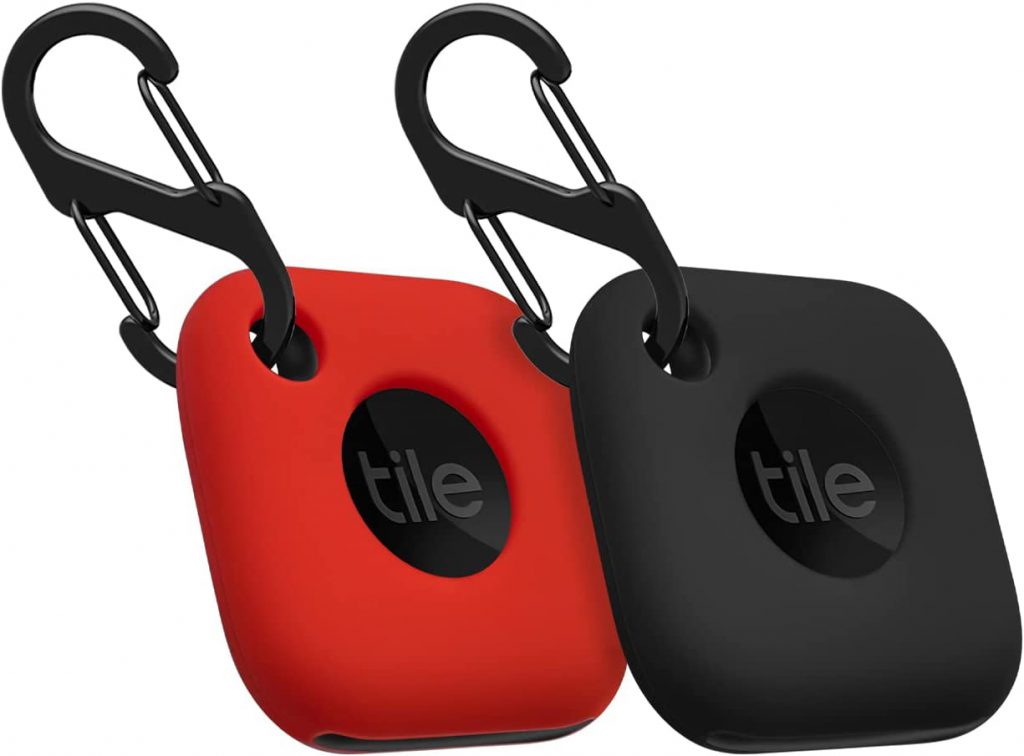
    • Tags – consider adding a tracking device to your supply bag, phones and/or personal items. AirTag and Tile are popular brands of tracking device tags.
    • Lockers – if available, lockers can help keep your supplies secure.
    • Waterproof Phone Bag – Lots of cell phone users (not just diabetics) keep their phone around their neck in a water tight pouch while at a water park. Consider a separate phone bags for Continuous Glucose Monitors receiver/phone and the pump controller/PDM.
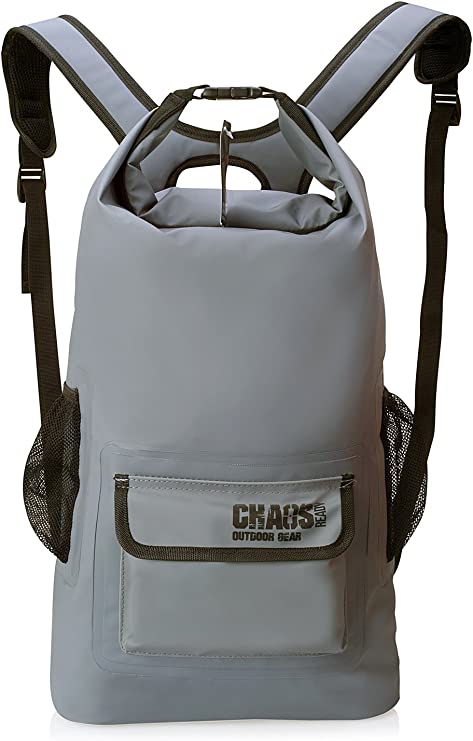
    • Dry Bag – keep your supplies tucked away in a water tight bag.
Air Tag
Air Tag Case
Tile Tracker
Tile Case
Phone Bag
Dry Bag
  • Keeping Supplies Accessible
    • Lockers – rent a locker inside the water park to keep your supply bag safe. Lockers are great option if unlimited access is available throughout the day.
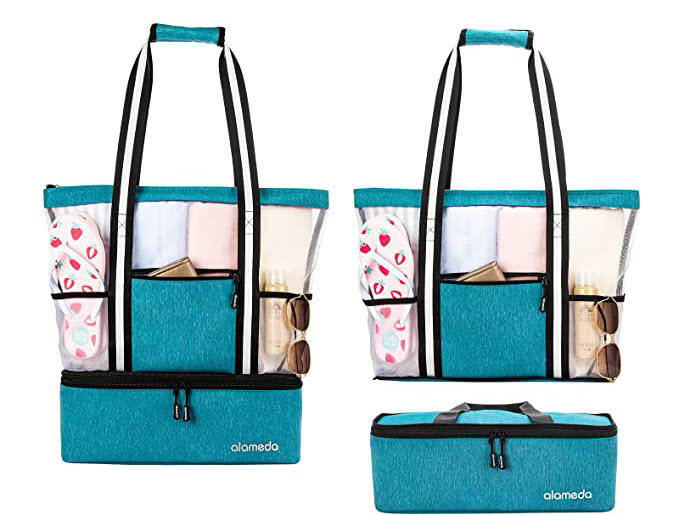
    • Bag with A Cooler – if you feel safe keeping your supplies at your seat, consider a beach bag with a cooler. The cooler in the bag helps keep the supplies dry and separate from other personal items.
    • Rent a Cabana – the trend of renting a cabana is available at most water parks. It is an expensive option but it might be a good solution for keeping supplies accessible, visible and secure.
Beach bag with detachable cooler
  • Keeping Supplies at the Right Temperature
    • Lockers – lockers can get hot (typically a metal box that heats up in both indoor and outdoor water parks). Keep supplies cool with ice packs or look for lockers in the shade.
    • Frio Wallet – a Frio Wallet will help keep insulin vials and pens cool and does not require a fridge/freezer to activate.
    • Insulated Bottle – add ice to insulated bottle, wrap your insulin pen/vial in a paper towel or Frio bag (adds insulation so the insulin is not directly in freezing water if the ice melts), place the wrapped insulin pen/vial in sandwich bag and secure with the bottle’s lid. A coffee travel mug works well because of the wide mouth design (any insulted water bottle works though).
Frio Wallet (Insulin Cooler)
Insulated Tumbler
Insulated Tumbler with LED Temperature Display
Ice Packs

Blood Glucose (BG) Levels

Every Type 1 Diabetic’s blood glucose levels respond differently while at indoor and outdoor water parks. Variables that can effect blood sugar include water, water temperature, swimming, exercise, heat, excitement, adrenaline, etc. Be prepared for hypoglycemic (low), hyperglycemic (high) or blood sugars that stay in-range. Make adjustments to basal or I:C ratios based on the individual’s body and how it responds to exercise/water/heat.

  • Checking BG Levels
    • My kiddo wears Dexcom for a Continuous Glucose Monitor (CGM) and prefers to not carry his phone/receiver at a water park.
    • A parent will typically wears the phone in a water proof case in hopes of getting a connection while waiting in line together. We never go more than 45 minutes without a BG reading.
    • If we are unable to get CGM data, we manually check BGs every 45 minutes at our seat. Time goes by fast when you are having fun, so I set a timer on my phone to remind me to test BG levels.
  • Keeping Low Supplies Dry and Close
    • Low Supply Carrying Options – Lines and stairs at water parks make it hard to get to low supplies. Keep a few supplies with you in a water proof case.
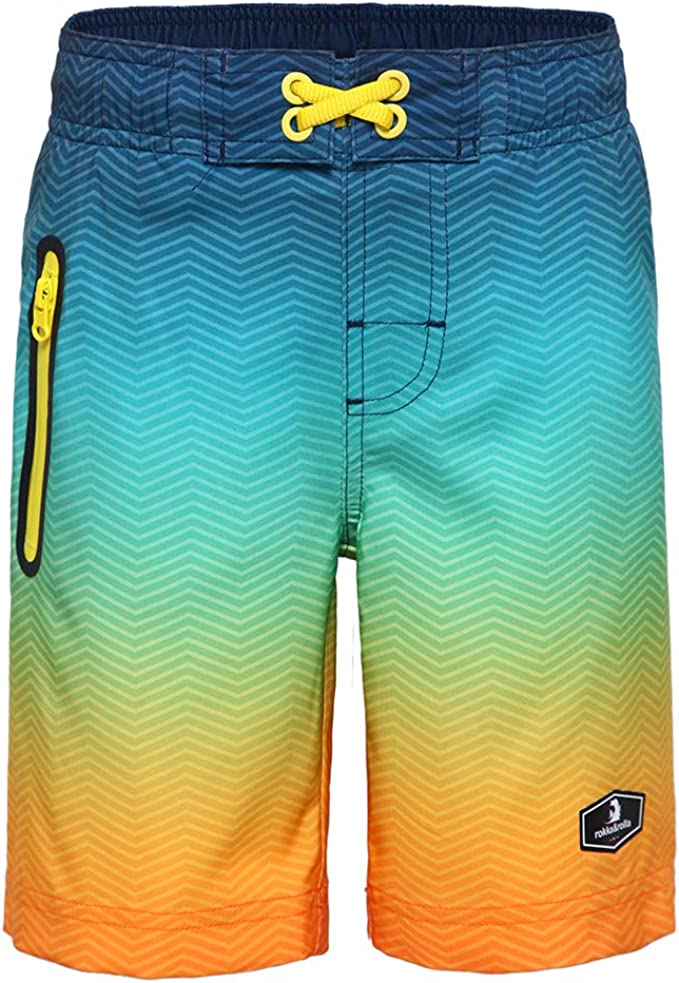
      • For boys, swimming suits with zippered pockets can store low supplies.
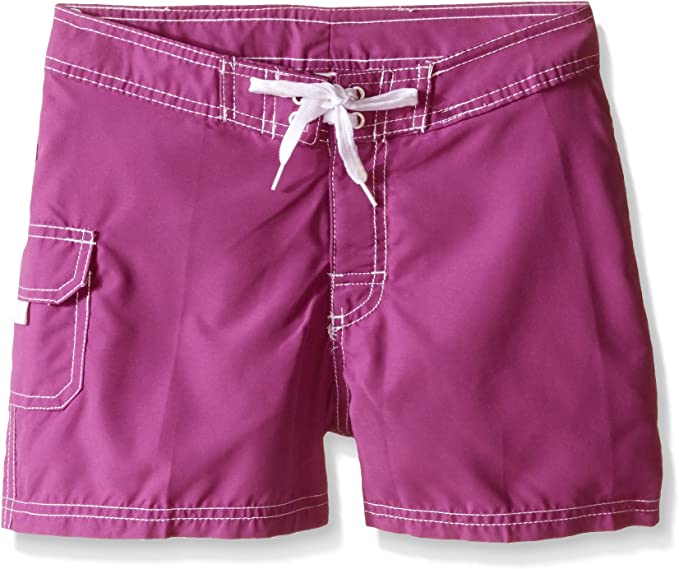
      • For girls, board shorts with pockets can store low supplies.
      • Waterproof Fanny Pack – store a CGM receiver/phone and low supplies in a waterproof fanny pack.
Swim Trunk with Zippered Pocket
Board Shorts with Pocket
Waterproof Fanny Pack with Phone Pouch

Hot Tubs and Blood Glucose Levels

Being in hot water can cause insulin to be absorbed faster. For insulin pumps users other than OmniPod you will have to disconnect and store your pump. This can cause blood glucose levels to rise faster than expected due to not receiving basal insulin while in the hot tub.

Sunscreen

Keep your skin protected even indoor water parks. Sunburns can cause high blood glucose levels and ruin your fun. When applying sunscreen stay clear of medical device’s adhesive patches (sunscreen can make the adhesive malleable and device will just slide off) and OmniPod insulin pumps (sunscreen causes pods to crack/leak).

Sunscreen Stick
Refillable Roll On Sponge Applicator For Kids
  • Instagram
  • Facebook

Copyright © 2026 Diabetes Amigo.

Theme: Oceanly News by ScriptsTown