Skip to content

Diabetes Amigo

Supporting the parents and caregivers of kids diagnosed with Type 1 Diabetes

  • Daily T1D
    • Daily Diabetes Kit/Bag
    • Insulin Storage
  • CGM
  • Insulin Pumps
  • Easing MDI Injections
  • Carb Counting
  • Travel
  • Sports
  • Home
  • Blog
  • Tips

Category: Tips

T1D Make Dexcom Stick for 10 Days

Posted on June 29, 2023July 2, 2023 By Diabetes Amigo
T1D Make Dexcom Stick for 10 Days
Tips

The Dexcom Continuous Glucose Monitor (CGM) has an adhesive patch that adheres to the body and is expected to last 10 full days. Daily life (baths, swimming, heat, etc.) and your personal skin can cause the CGM’s adhesive patch to fail. Add extra adhesive or utilize accessories to help keep the Dexcom sensor adhesive patch, sensor wire and transmitter securely in place for 10 days.

Extra Adhesive / Accessories / Sunscreen

This post may contain affiliate links. Please see the affiliate disclosure for more details.

Extra Adhesive
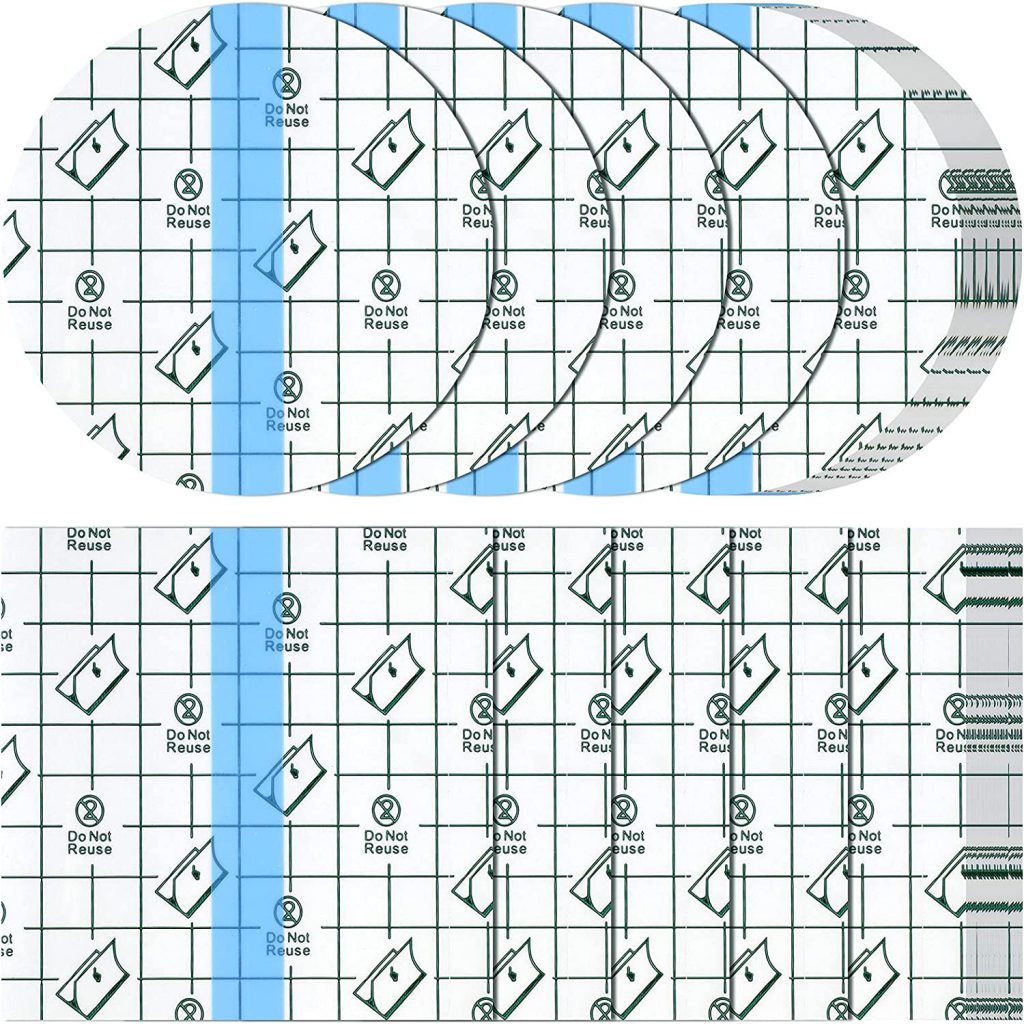
Clear Film Dressing Tape Precut

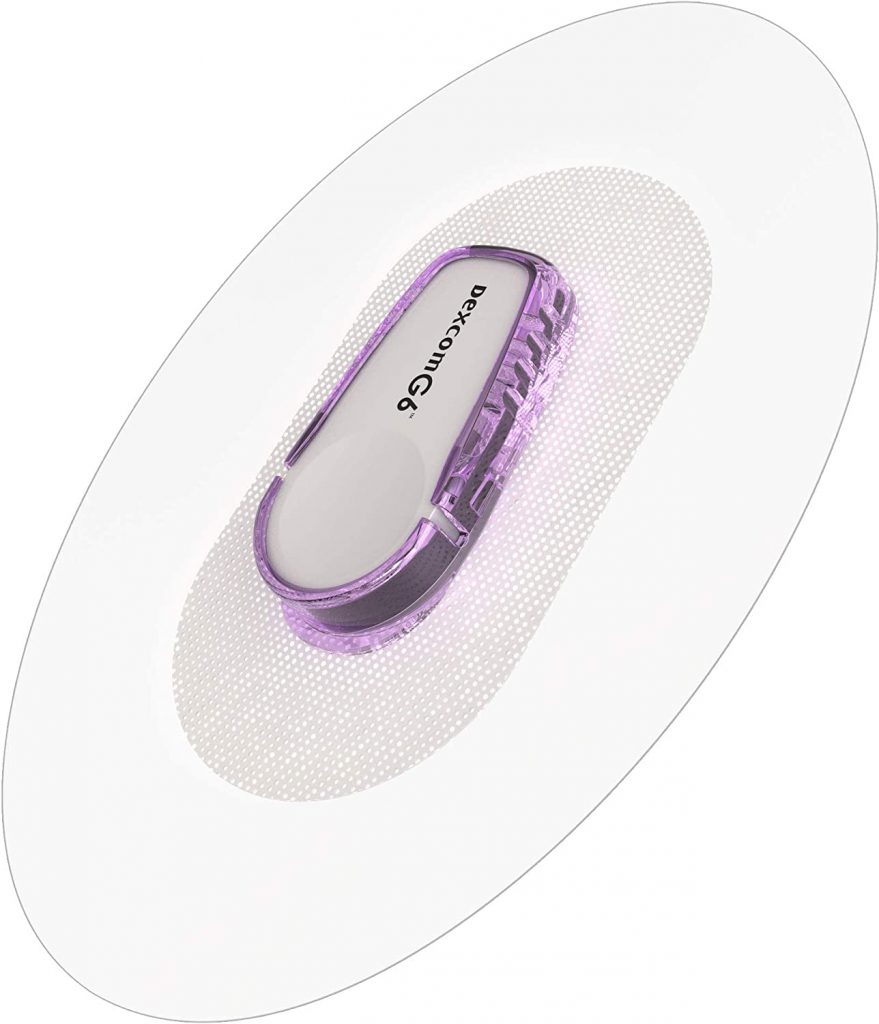
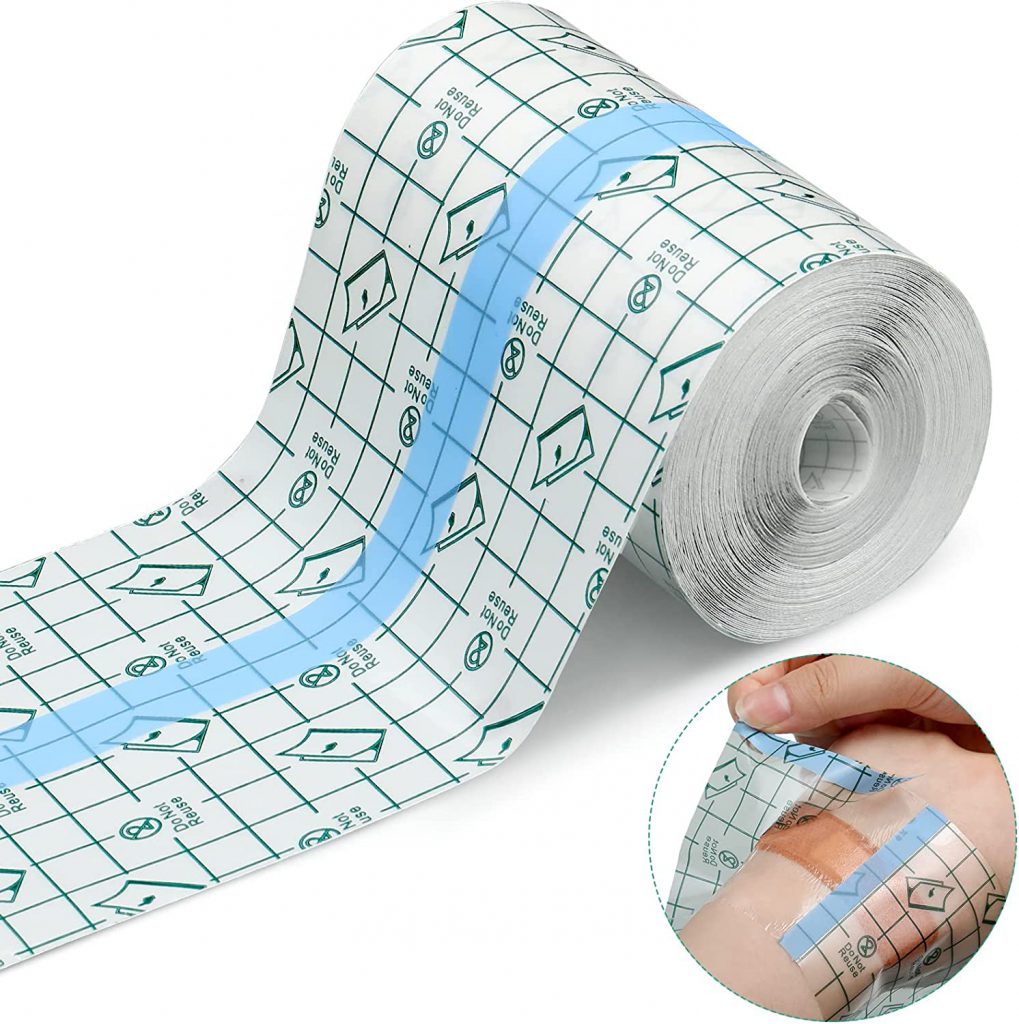
Clear Film Dressing Tape – cover entire Dexcom in a transparent adhesive bandages that makes a watertight seal over the CGM. Precut in circle and square shapes to cover the Dexcom on various site locations. If you like to make your covers, the clear film can be purchased in a roll.
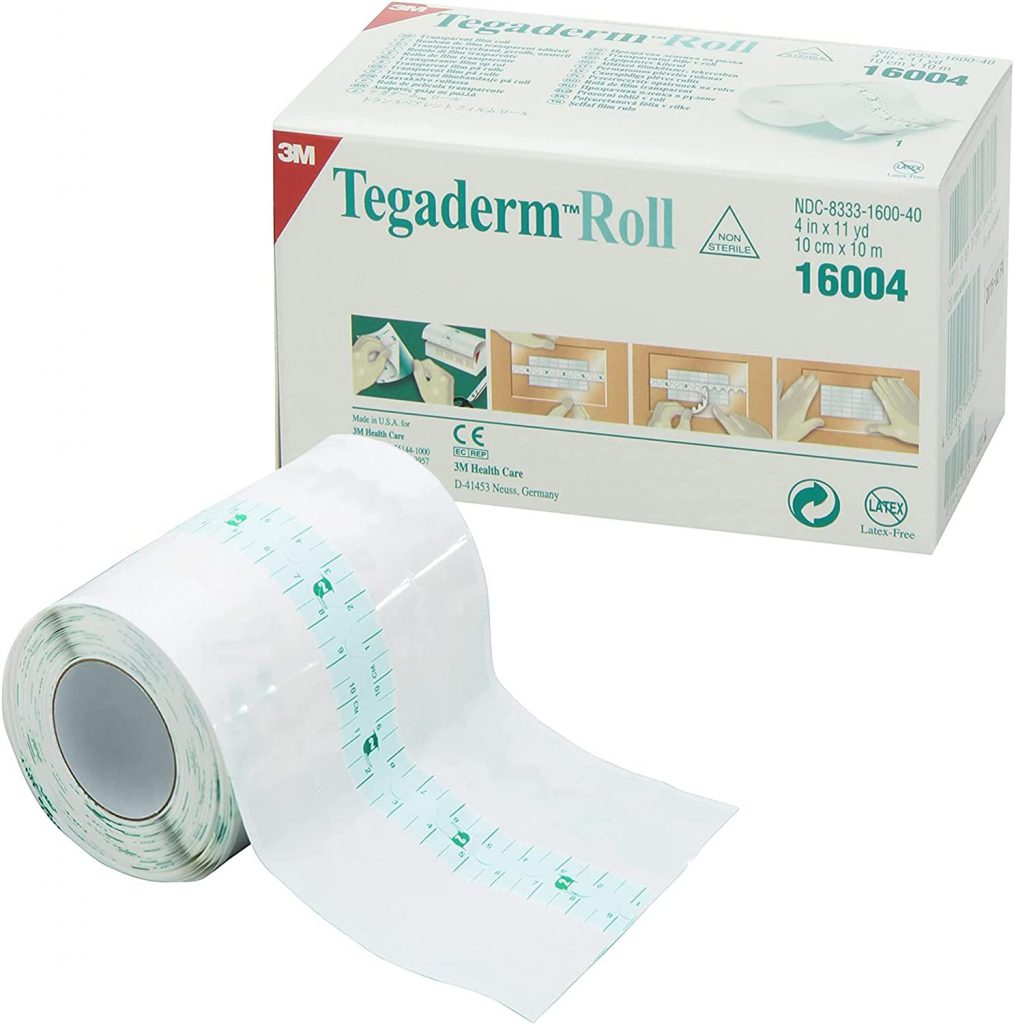
Tegaderm Roll
Roll of Film Dressing
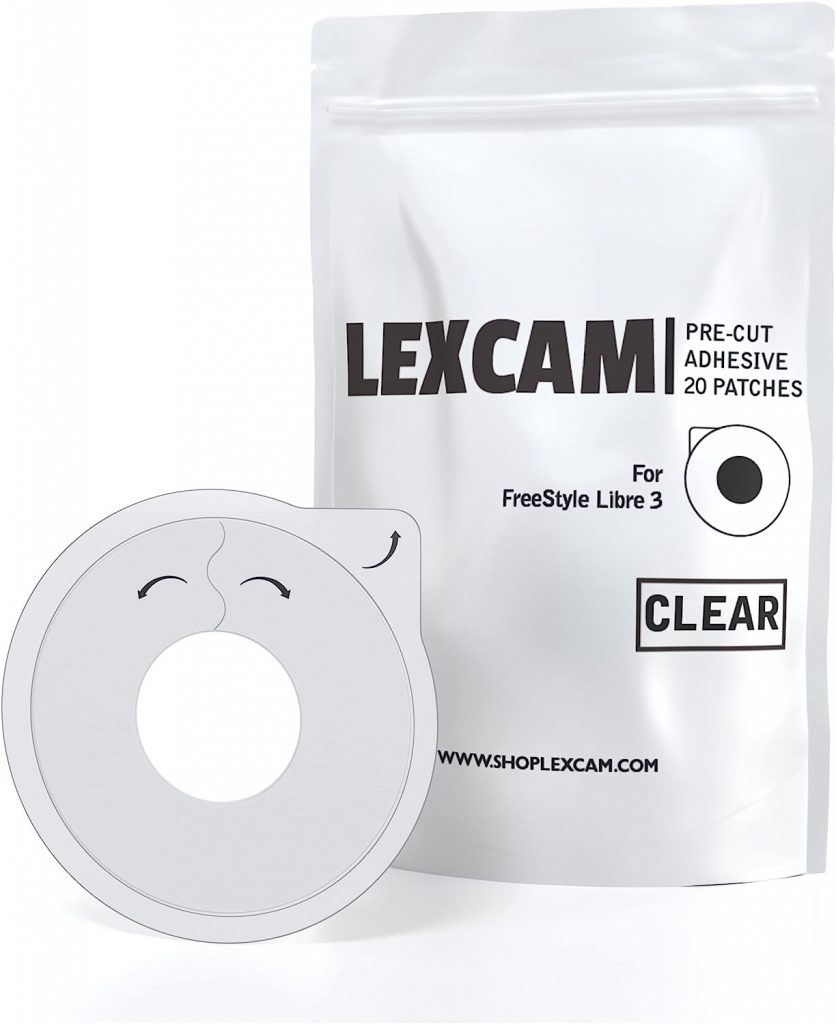
Lexcam Overpatches (latex free)

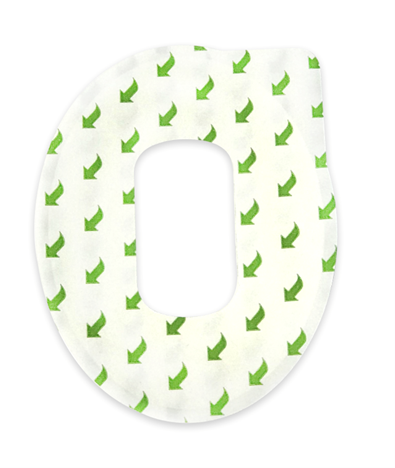
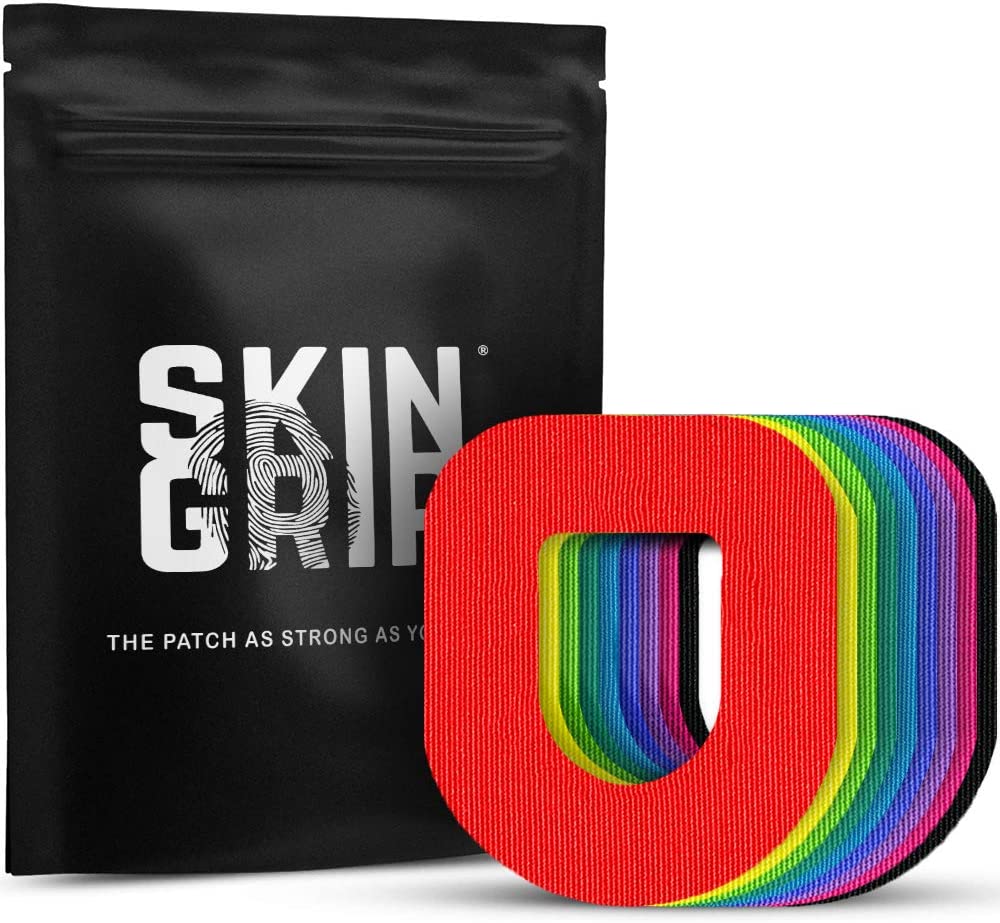
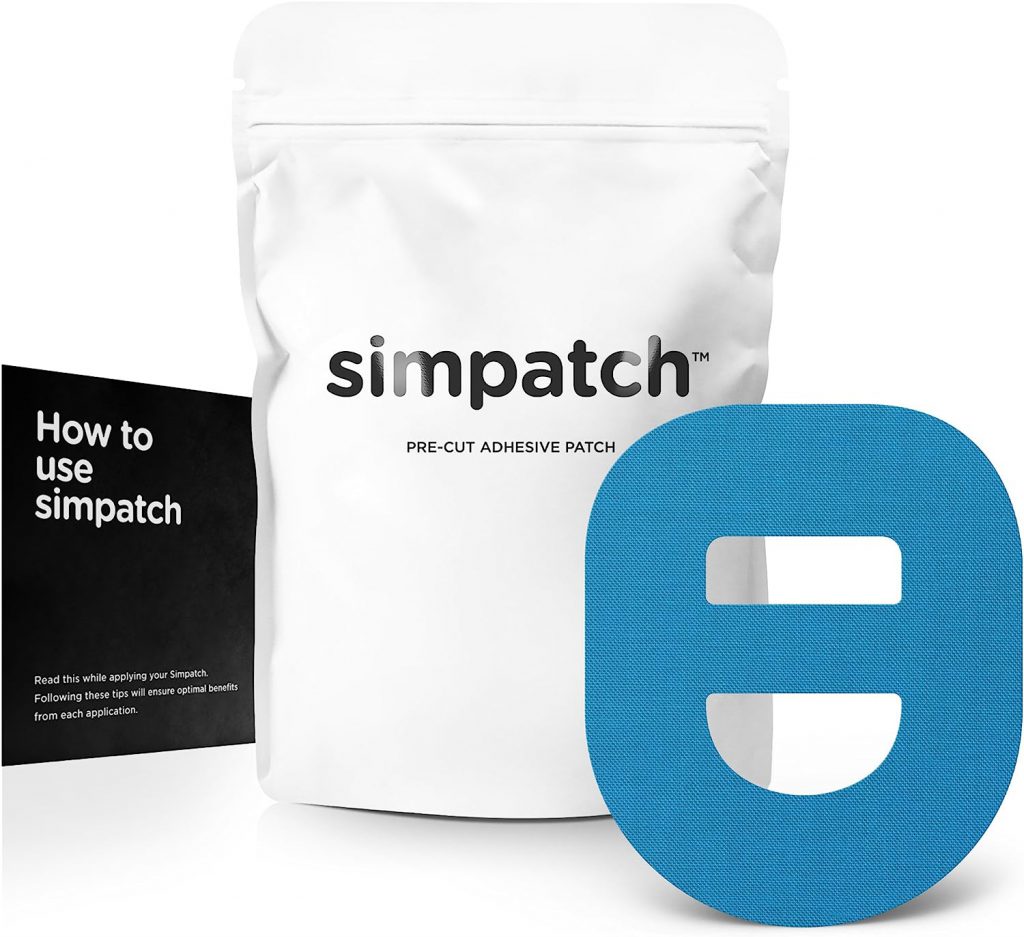
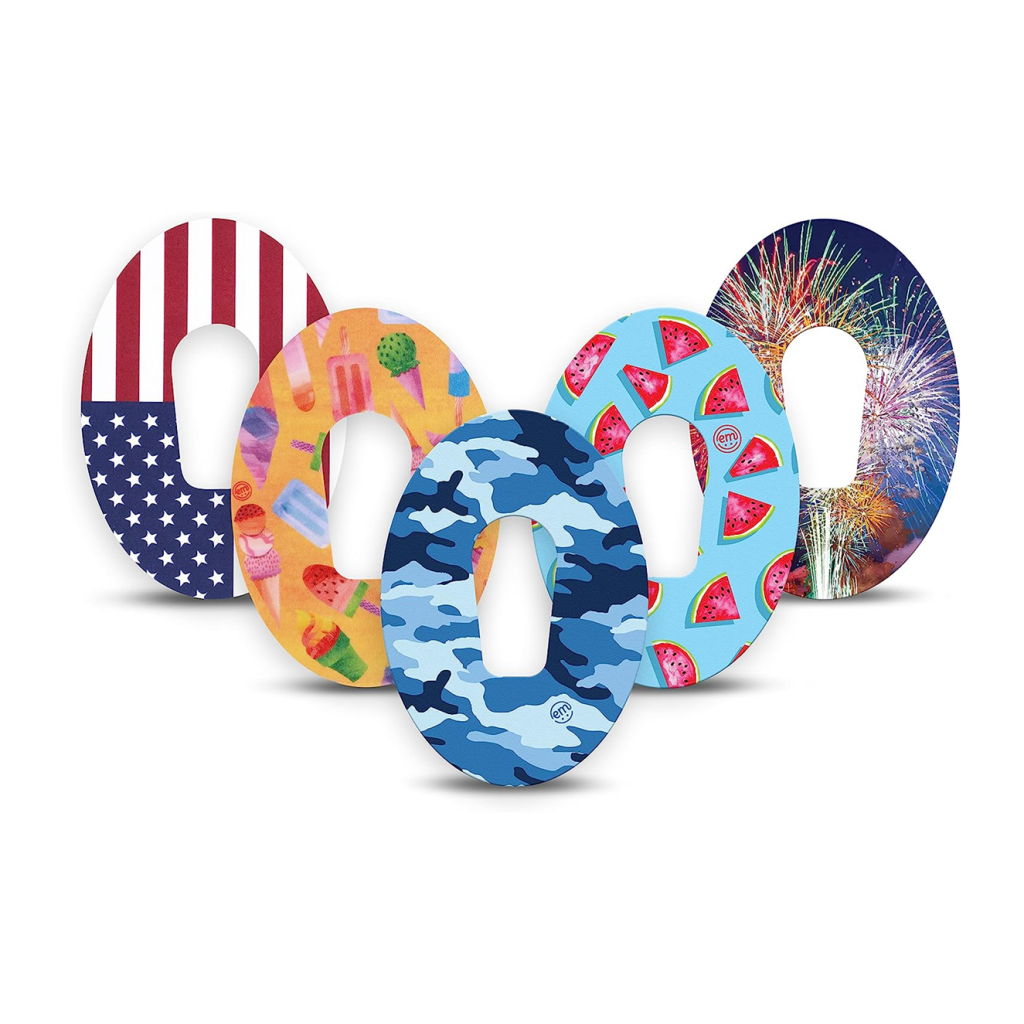
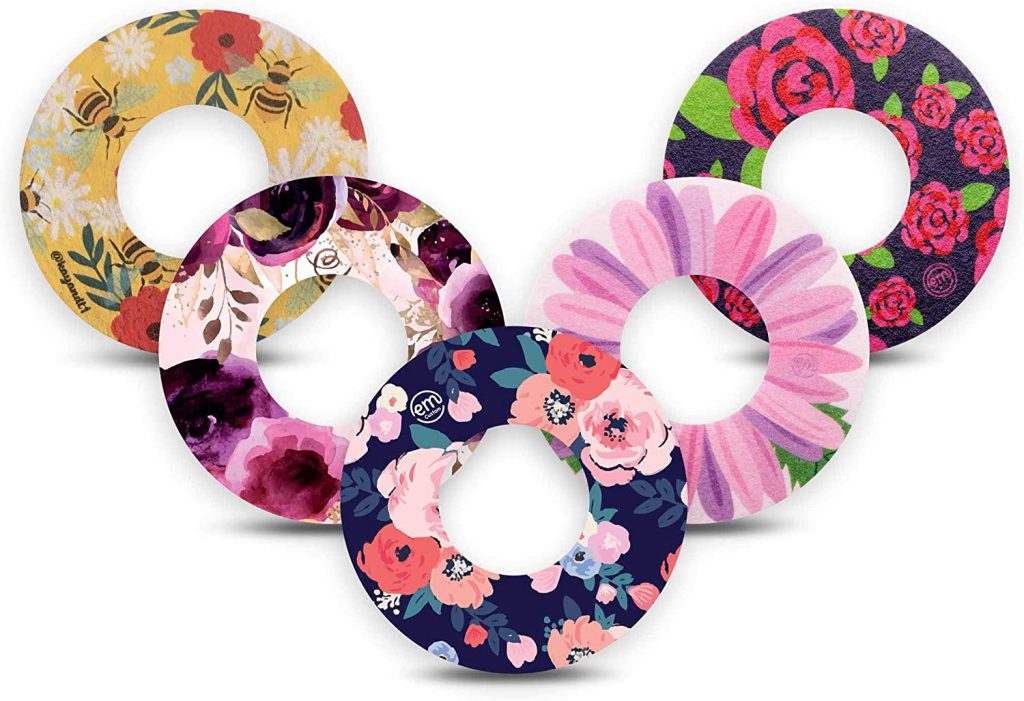
Overpatches – add an extra adhesive patch over Dexcom’s initial adhesive patch. Overpatches are typically precut to fit over the transmitter (and available in various colors and designs). Dexcom supplies free overpatches via an online ordering form.
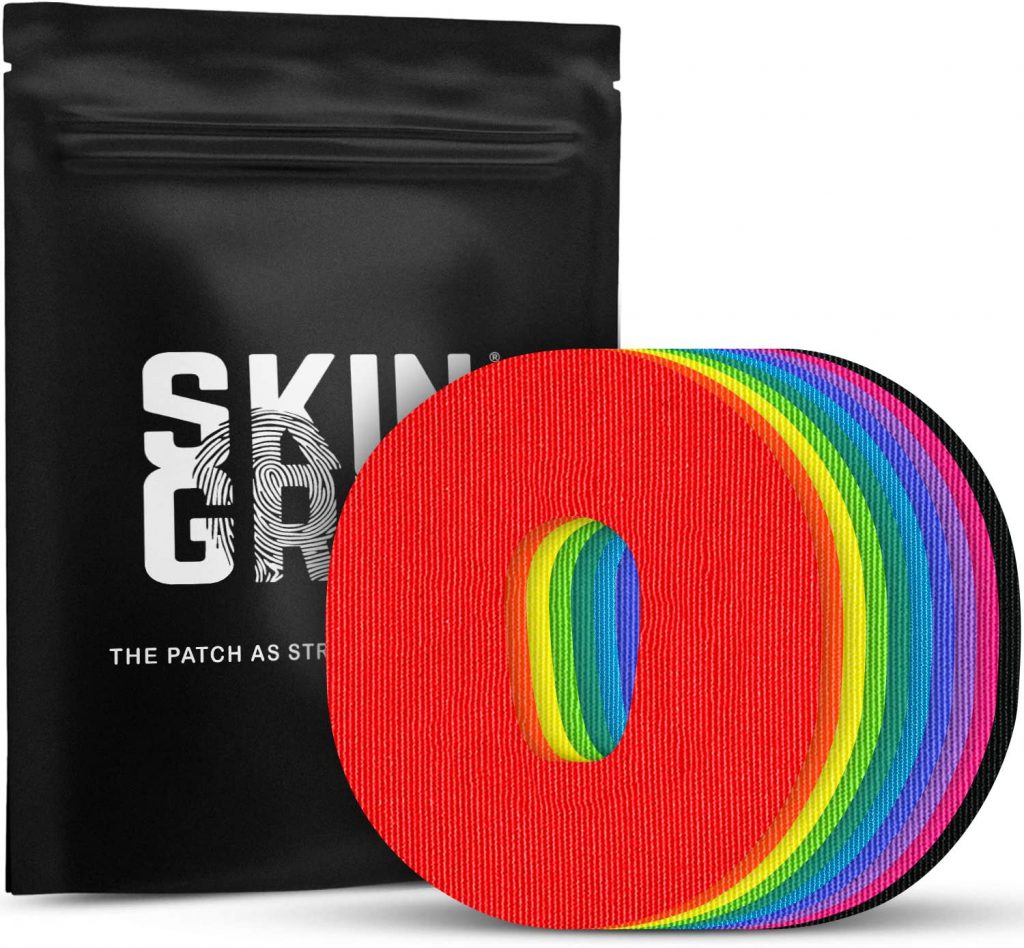
Colored
Designs
Free
Strap
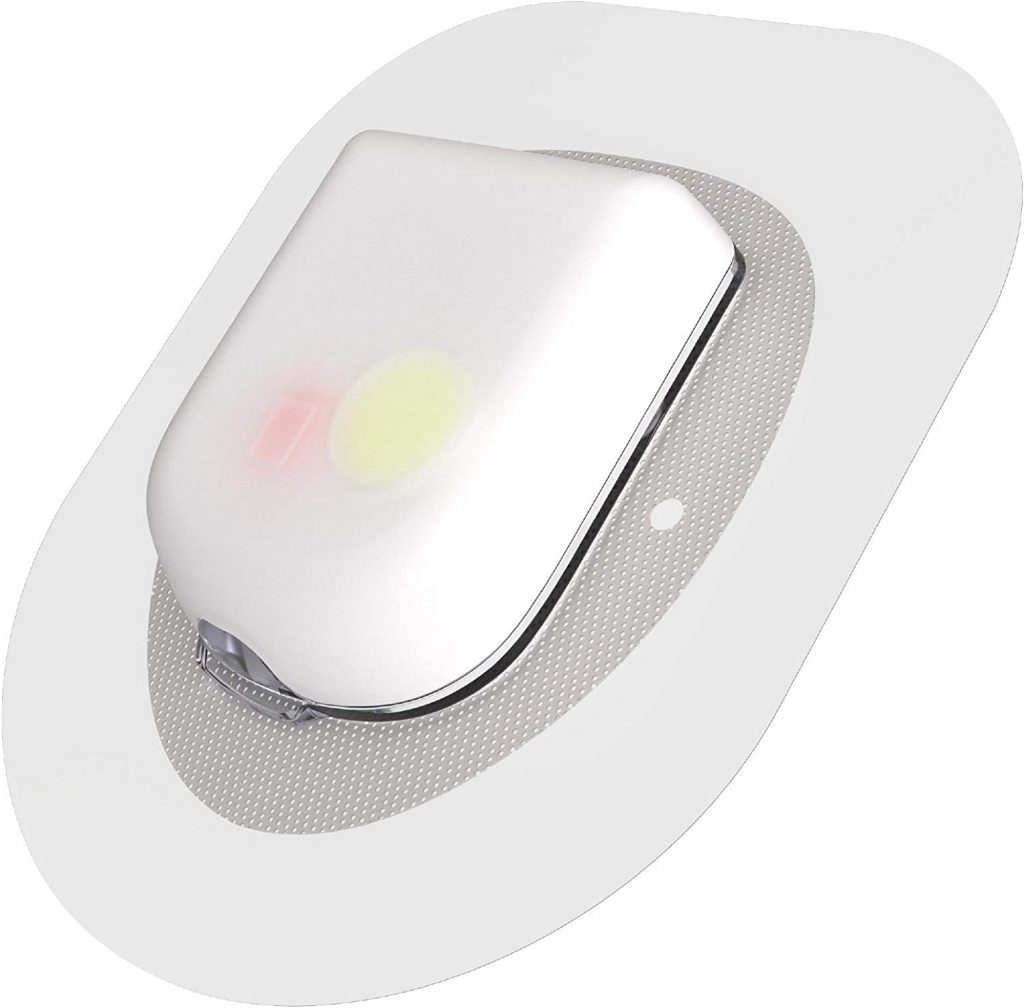
Dexcom Shield

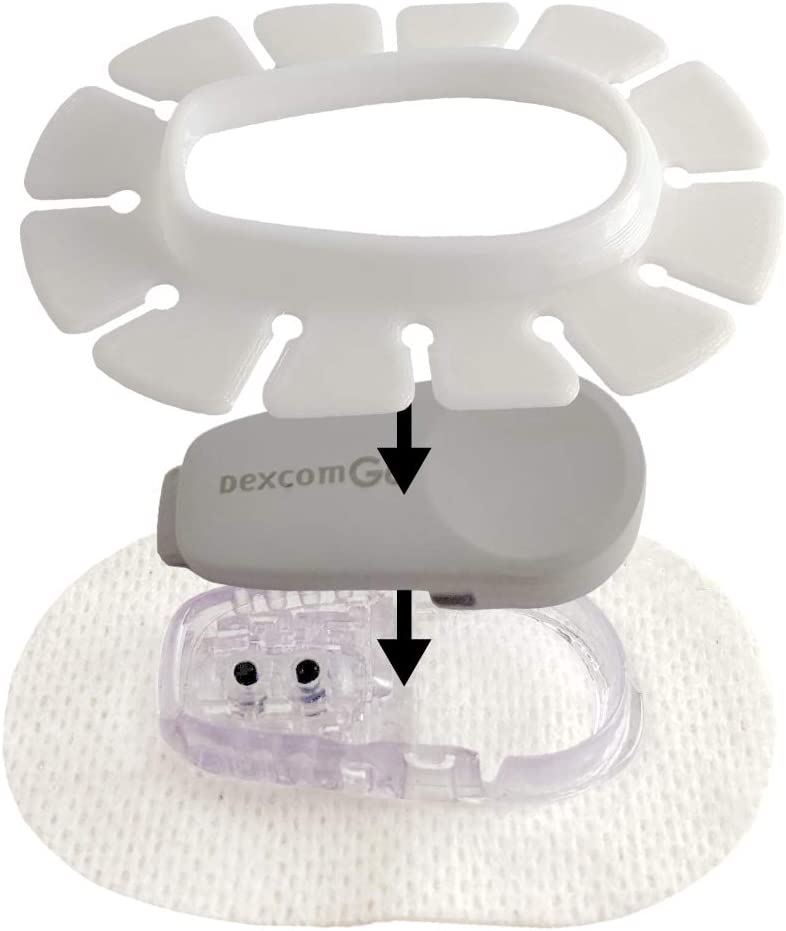
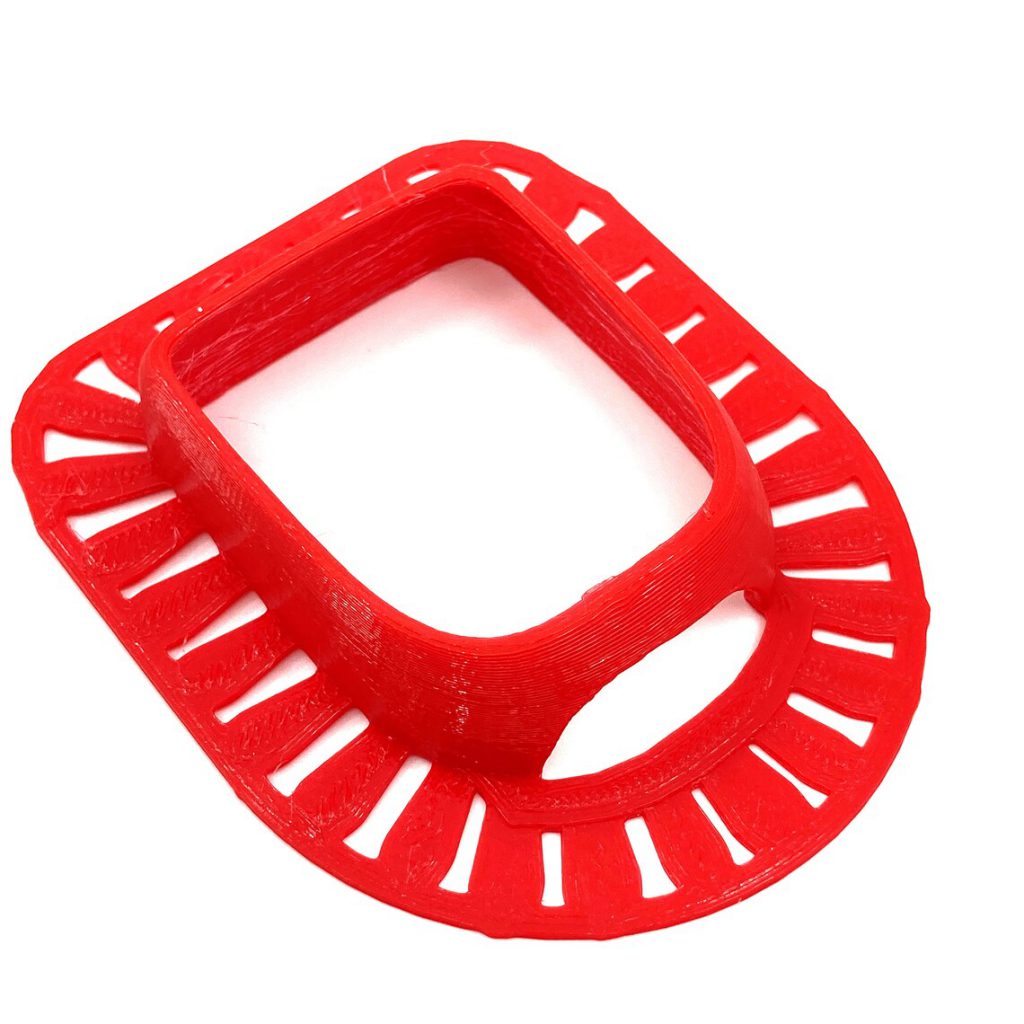
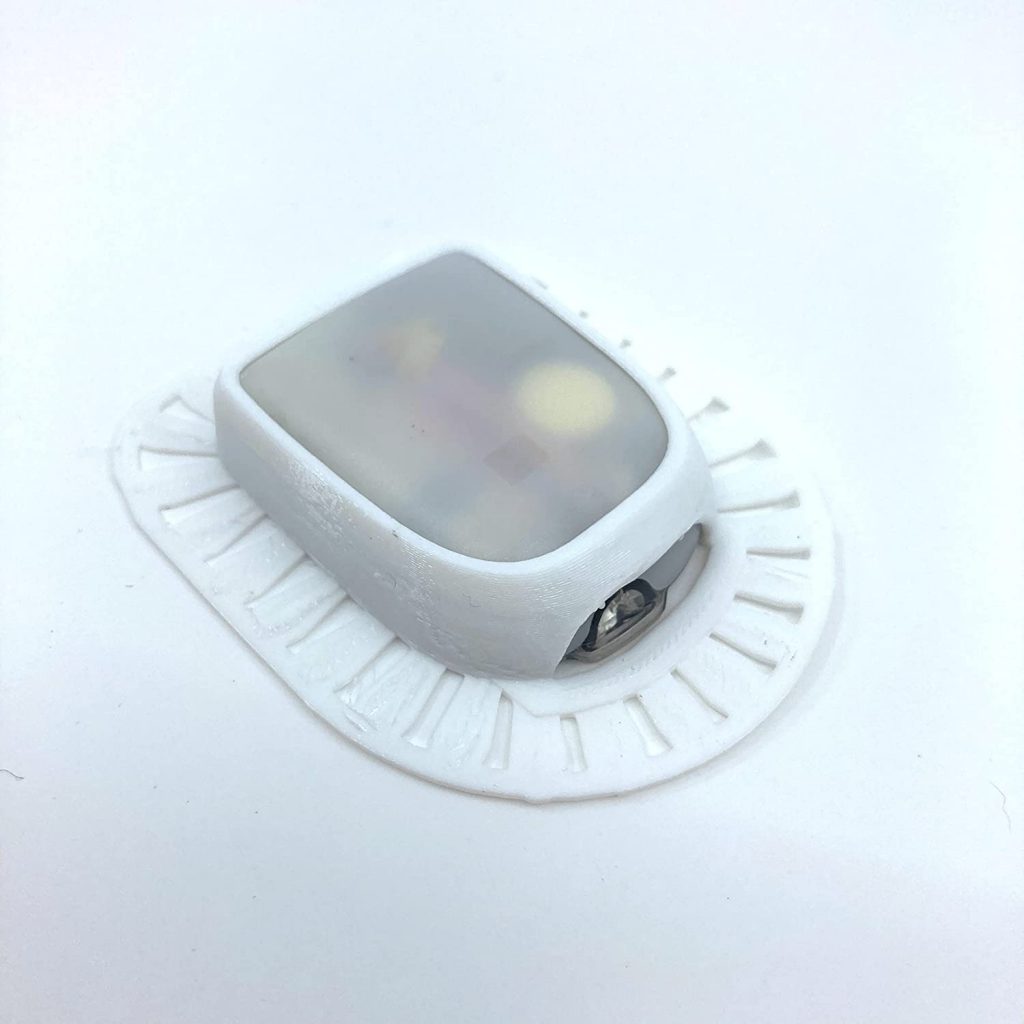
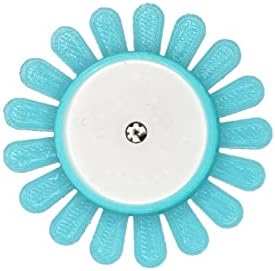
Shield – Add a shield before applying an overpatch to your Dexcom CGM to allow for easy removal of the overpatch. The shield protects the CGM’s initial adhesive patch when applying/removing an overpatch. When the overpatch starts to peel at the edges, simply remove the extra overpatch without disturbing the CGM’s initial adhesive patch.
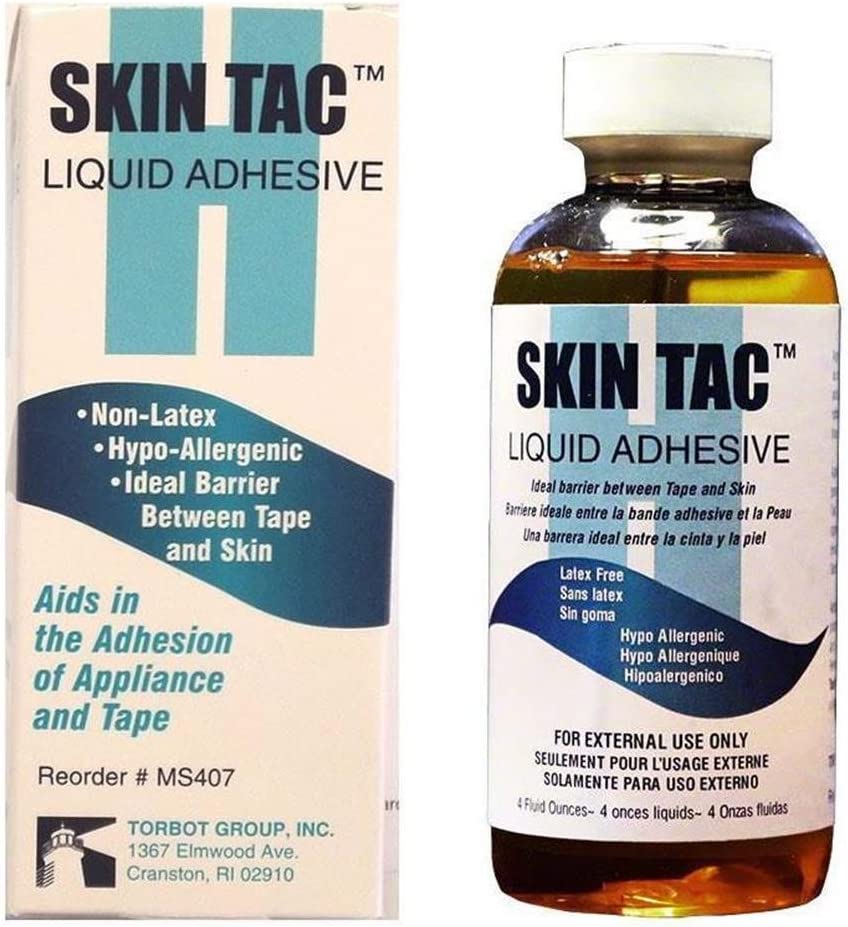
Skin Tac Liquid Adhesive

Liquid Adhesive – Adding an adhesive barrier with liquid adhesive before applying a Dexcom sensor provides skin protection and extra adhesive to the sensor’s initial adhesive patch. A second layer of liquid adhesive on top of the sensor’s patch provides even more sticking power. Further, apply liquid adhesive to the edges of an adhesive patch that starts to peel-up from daily wear-and-tear. Purchase in economical bottle or in travel wipe size.
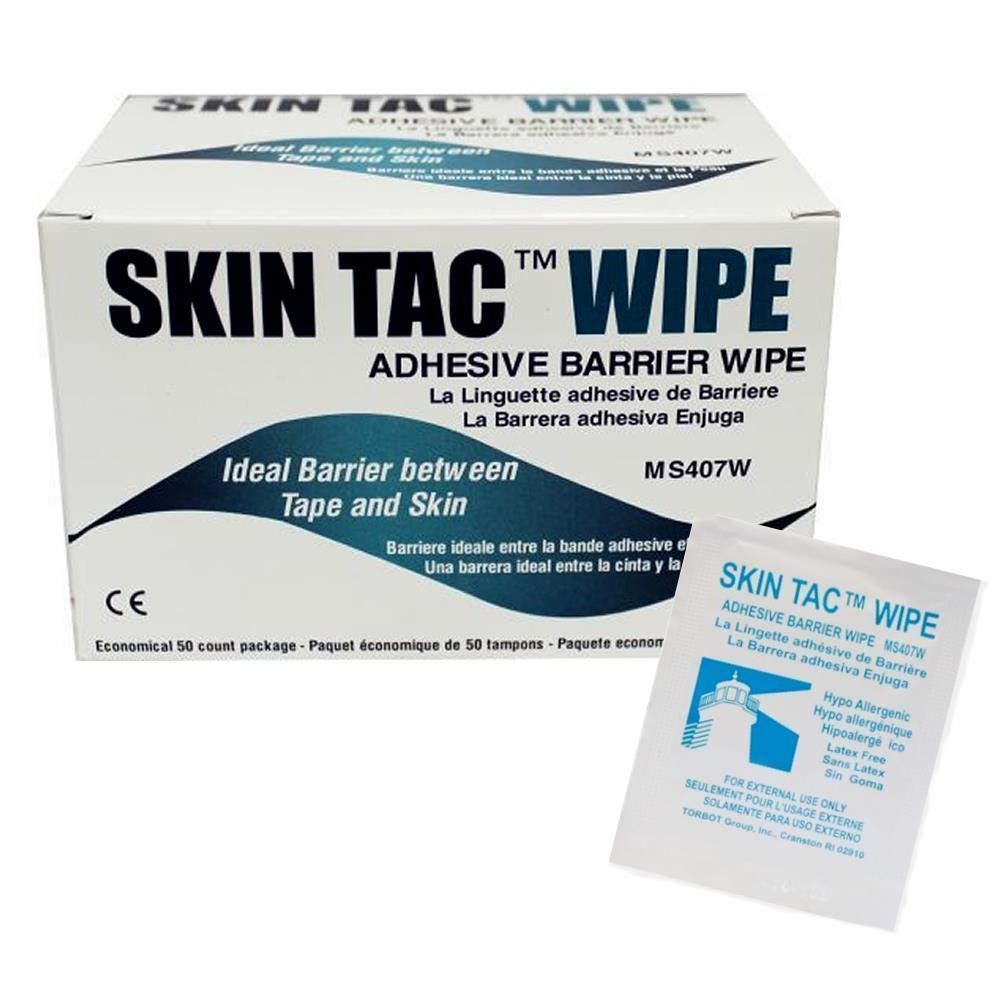
Skin Tac Wipes

Accessories

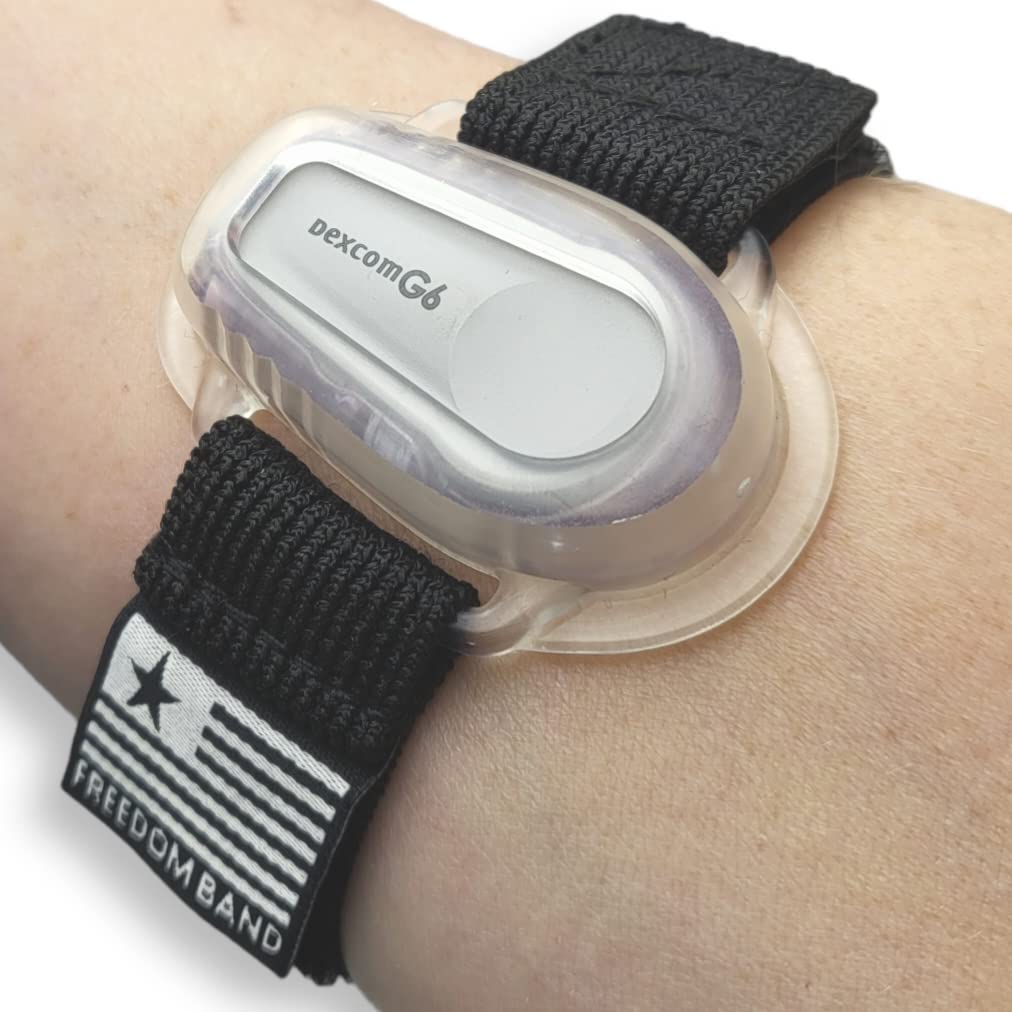
Dexcom Arm Band

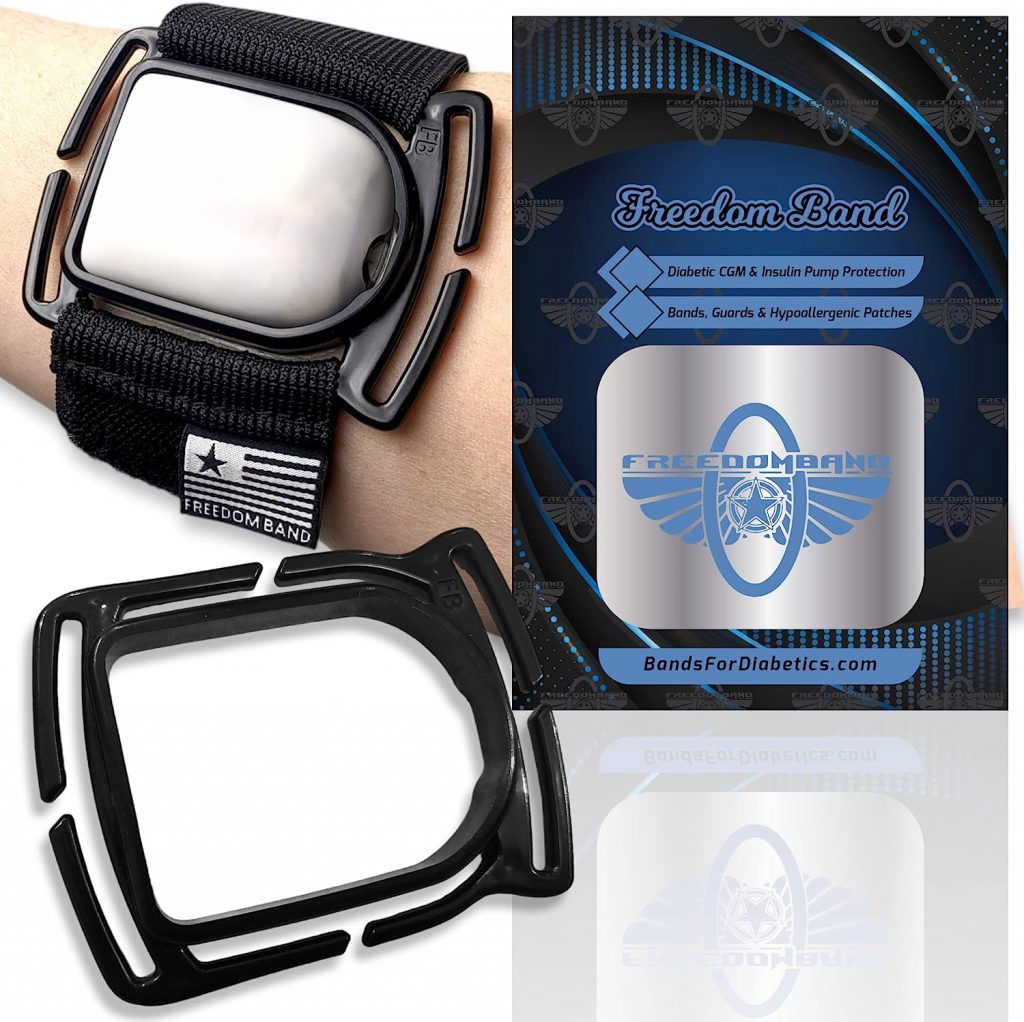
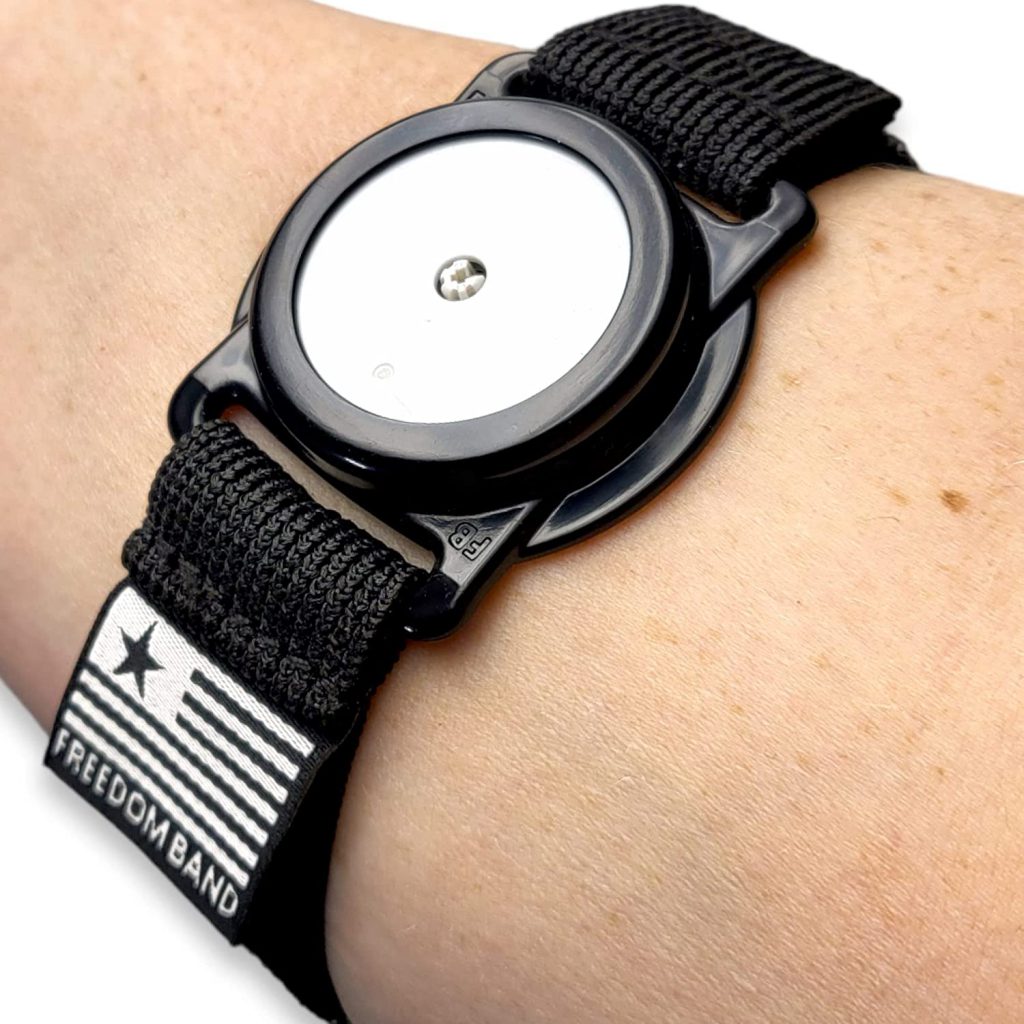
Arm Bands – Arm bands can worn over a Dexcom sensor’s initial patch and transmitter or be used in addition to overpatches. Adding an arm band over a sensor’s initial adhesive patch can help during water activities (be sure to keep the arm band on until the adhesive patch dries to help keep the adhesive patch and sensor wire in place).
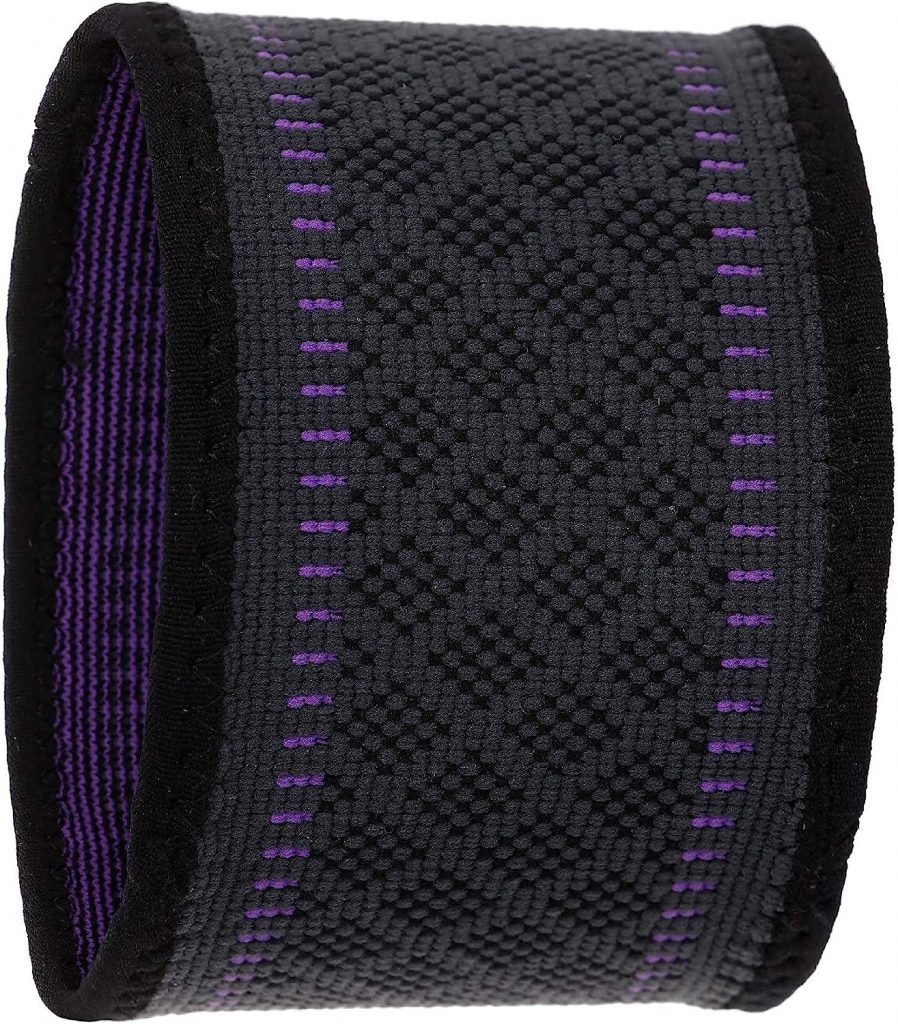
Compression Band

Compression Band – wear a compression band over a Dexcom sensor and transmitter to protect the CGM from being ripped off your body and during water activities (wear in water and then wear the compression band until the band dries to help keep the adhesive and sensor wire in place).
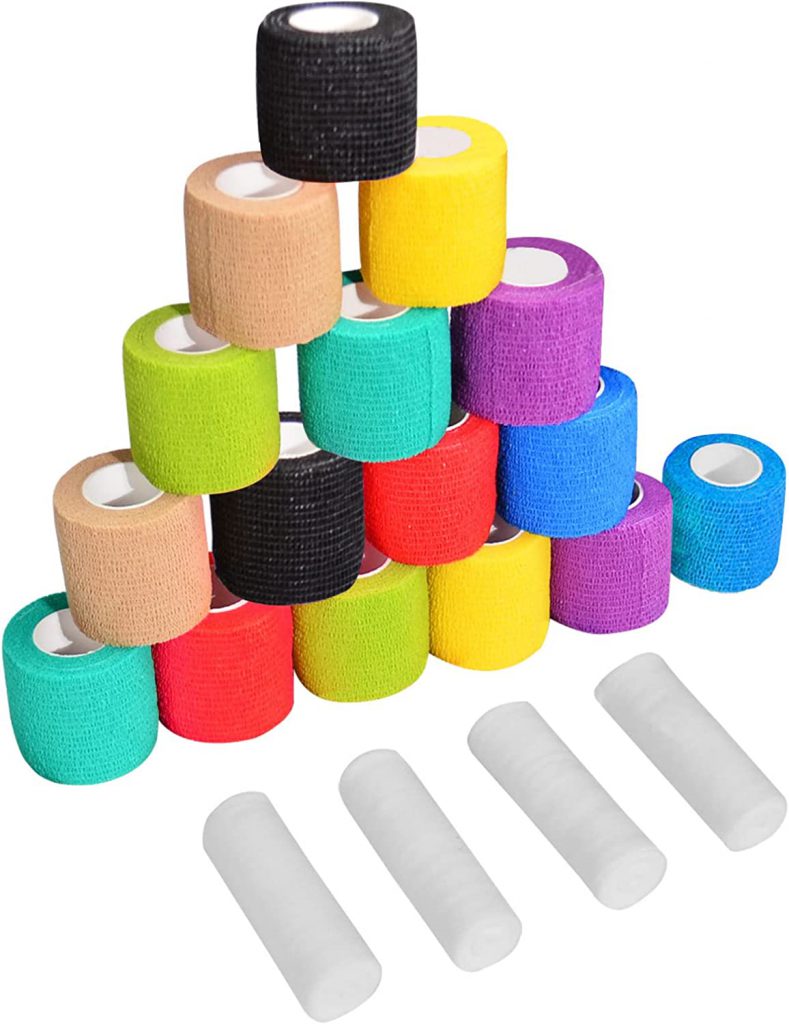
Vet Wrap

Adhesive Bandage Wrap (a.k.a. Vet Wrap) – comes in various colors and sizes to wrap over the Dexcom CGM sensor and transmitter. Vet wrap works like a compression band but is much easier to remove and dries faster. Also, allows for custom sizing of the wrap to cover Dexcom on arms, legs and stomach. Tip – vet wrap can shrink when going from dry-wet-dry again. It is important to check the tightness of the wrap throughout the day on young kids.

Sunscreen

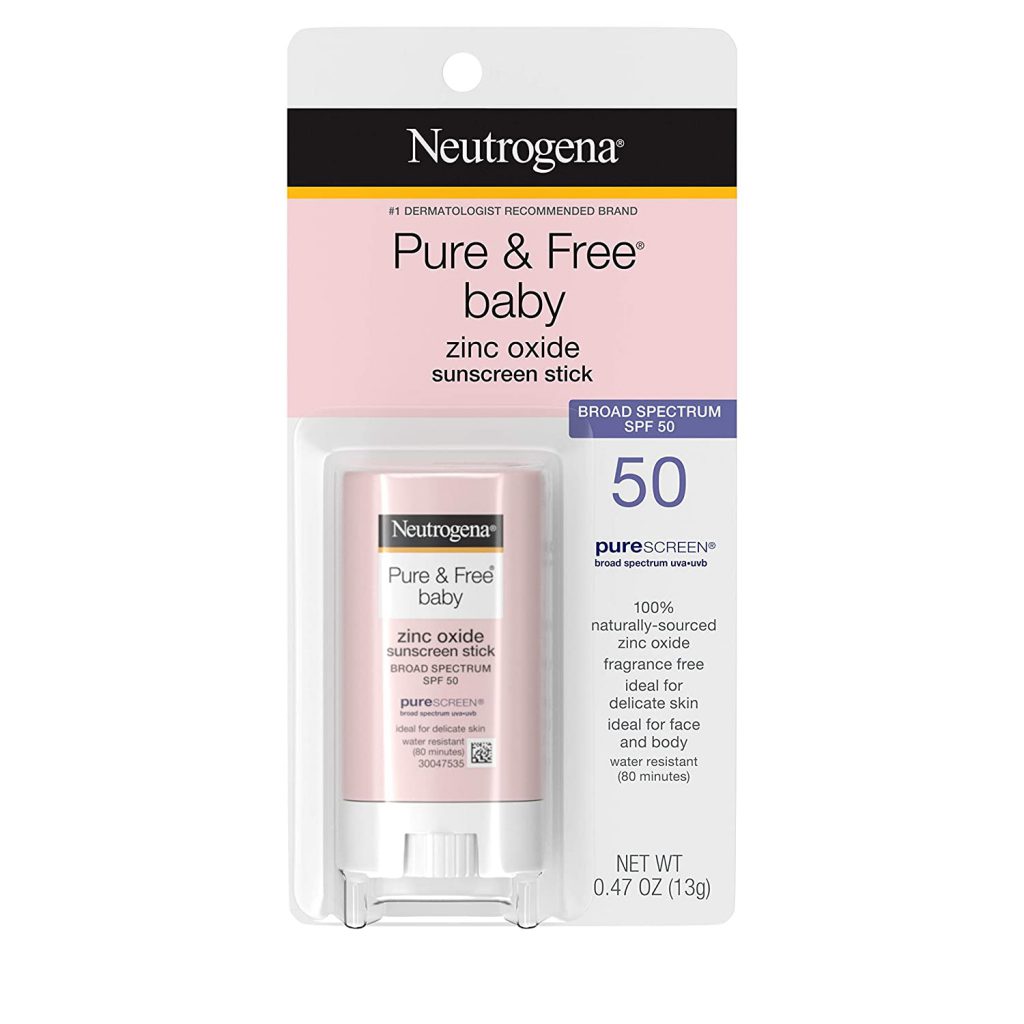
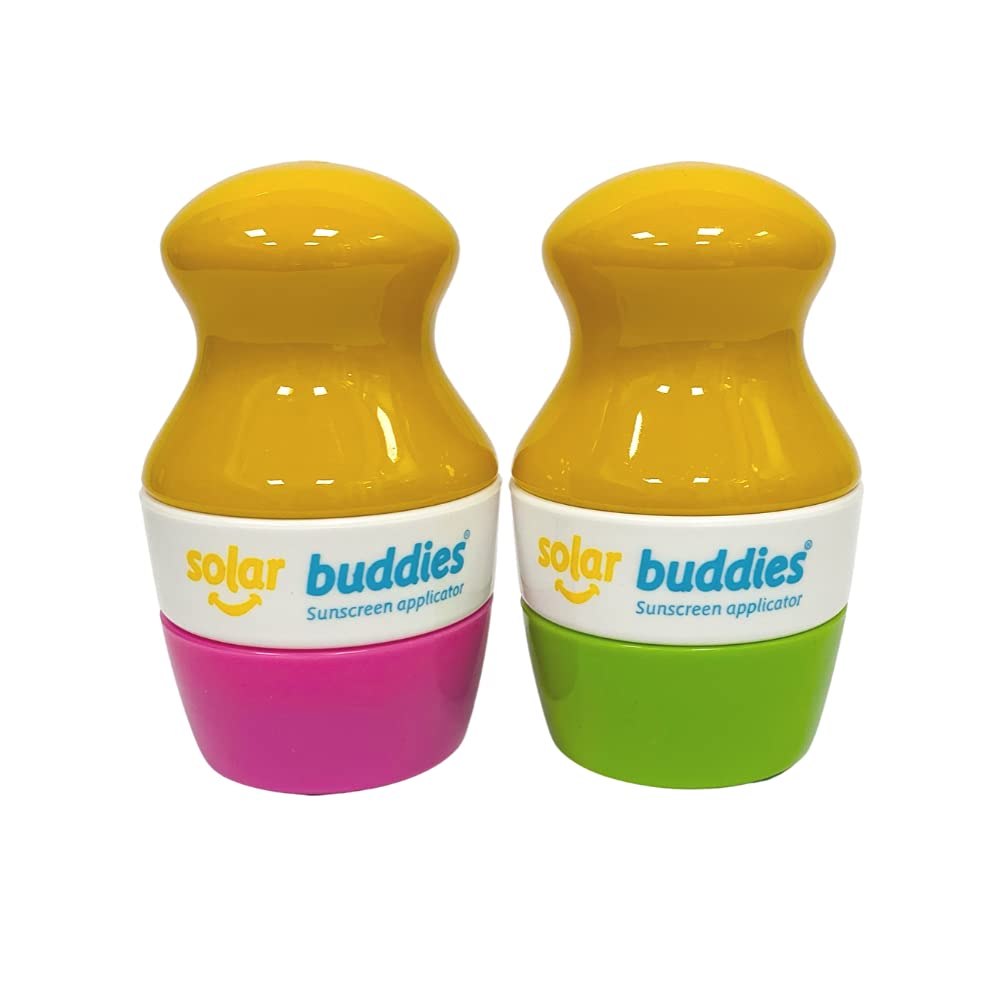
When applying sunscreen stay clear of the Dexcom sensor’s adhesive patch (sunscreen can make the adhesive malleable and device will just slide off). Consider using a sunscreen stick or solar buddy to apply sunscreen safely around adhesive patches.
Sunscreen Stick
Solar Buddy

T1D Make OmniPod Stick for 3 Full Days

Posted on June 22, 2023June 23, 2023 By Diabetes Amigo
T1D Make OmniPod Stick for 3 Full Days
Tips

The OmniPod Insulin Pump has an adhesive patch that adheres to the body and is expected to last 3 full days. Daily life (baths, swimming, heat, etc.) and your personal skin can cause the pod’s adhesive to fail. Add extra adhesive or utilize accessories to help keep the pod securely in place for 3 days.

Extra Adhesive / Accessories / Sunscreen

This post may contain affiliate links. Please see the affiliate disclosure for more details.

Add Extra Adhesive

Lexcam Overpatches (latex free)

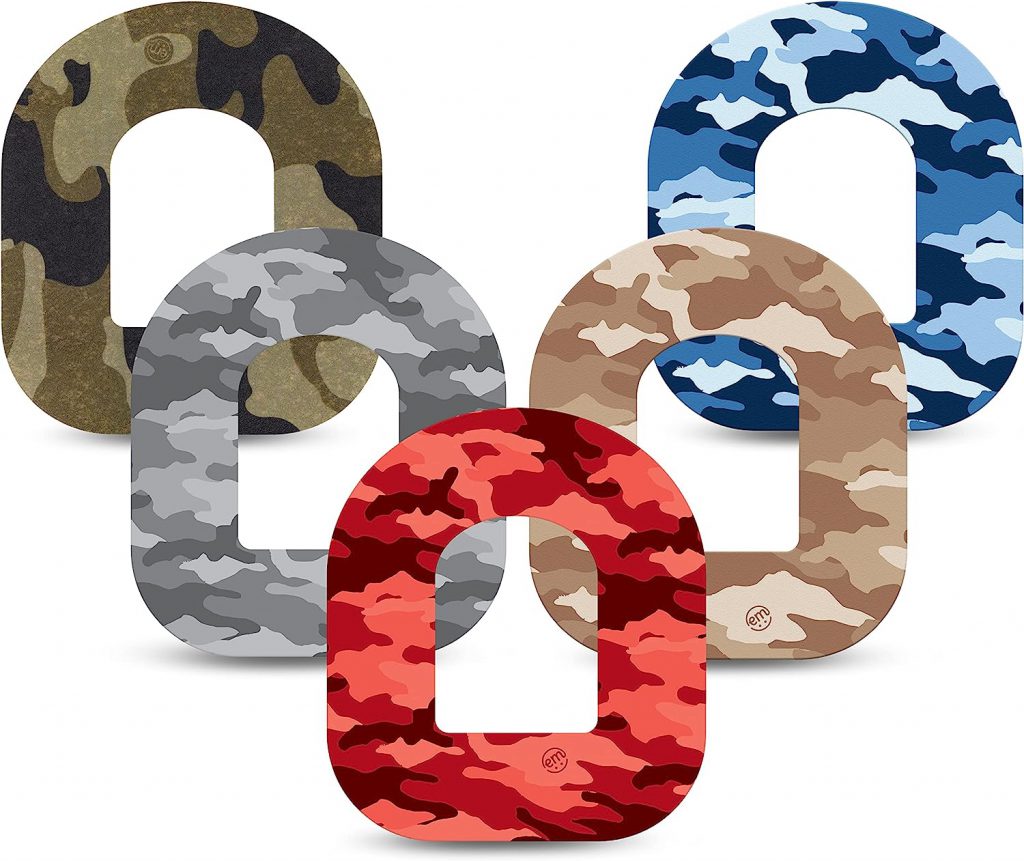
Overpatches – add an extra adhesive patch over OmniPod’s initial adhesive patch. Overpatches are typically precut to fit the pod (and available in various colors and designs).

Colored Overpatches
Overpatches with Designs
Overpatch with Strap
OmniPod Shield

Shield – Add a shield before applying an overpatch to your Pod to allow for easy removal of the overpatch. The shield protects the pod’s initial adhesive patch when applying/removing an overpatch. When the overpatch starts to peel at the edges, simply remove the extra overpatch without disturbing the pod’s initial adhesive patch.

Skin Tac Liquid Adhesive

Liquid Adhesive – Adding an adhesive barrier with liquid adhesive before applying a pod provides skin protection and extra adhesive to the pod’s initial adhesive patch. A second layer of liquid adhesive on top of the pod’s patch provides even more sticking power. Further, apply liquid adhesive to the edges of an adhesive patch that starts to peel-up from daily wear-and-tear. Purchase in economical bottle or in travel wipe size.

Skin Tac Wipes

Accessories

OmniPod Arm Band

Arm Bands – Arm bands can worn over a pod’s initial patch or be used in addition to overpatches. Adding an arm band over a pod initial adhesive patch can help during water activities (be sure to keep the arm band on until the adhesive patch dries to help keep the adhesive patch and cannula in place.

Compression Band

Compression Band – wear a compression band over a pod to protect a pod from being ripped off your body and during water activities (wear in water and then wear the compression band until the band dries to help keep the adhesive and cannula in place).

Vet Wrap

Adhesive Bandage Wrap (a.k.a. Vet Wrap) – comes in various colors and sizes to wrap over the pod. Vet wrap works like a compression band but is much easier to remove and dries faster. Also, allows for custom sizing of the wrap to cover pods on arms, legs and stomach. Tip – vet wrap can shrink when going from dry-wet-dry again. It is important to check the tightness of the wrap throughout the day on young kids.

Sunscreen

When applying sunscreen stay clear of the pod’s adhesive patches (sunscreen can make the adhesive malleable and device will just slide off). Also, avoid spray sunscreen because it causes pods to crack/leak. Consider using a sunscreen stick or solar buddy to apply sunscreen safely around adhesive patches and pods.

Sunscreen Stick
Solar Buddy

T1D Making CGMs and Pumps Stick in Water

Posted on June 13, 2023June 16, 2023 By Diabetes Amigo
T1D Making CGMs and Pumps Stick in Water
Tips

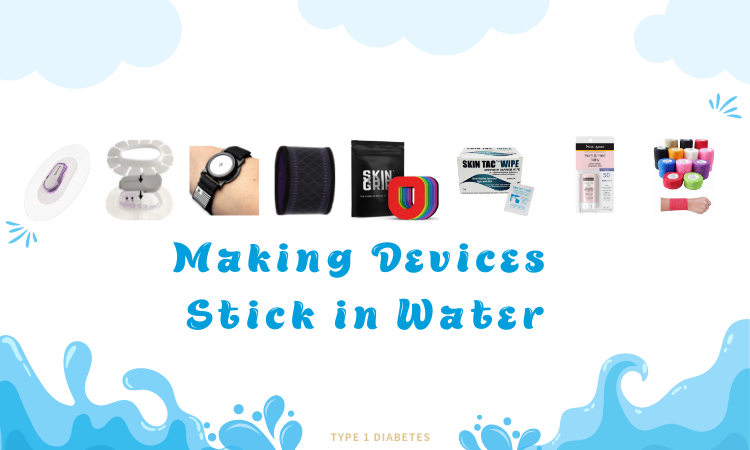
Water and Type 1 Diabetics (T1D) medical devices (Continuous Glucose Monitors [CGMs], insulin pumps and infusion sites) require special considerations for T1Ds. When adhesives patches get wet for long periods of time, the adhesive can become mailable causing the adhesive patch to more around and/or fall off. Have a relaxing and manageable day in the water (swimming, pool, lake, beach, ocean, etc.) with the right preparations for managing Type 1 Diabetes adhesives.

Overpatch / Arm Bands / Shield / Liquid Adhesive / Vet Wrap / Sunscreen

This post may contain affiliate links. Please see the affiliate disclosure for more details.

Overpatches Extra Adhesive for CGMs and Pumps

Overpatches add an extra adhesive patch over the T1D medical device’s initial patch. Overpatches are typically precut to fit the T1D device (Dexcom, Libre, Infusion site or OmniPod) but you can also make you own patches.

  • Dexcom Overpatch Options
Lexcam Hypoallergenic and Latex-Free
Free Overpatches
from Dexcom
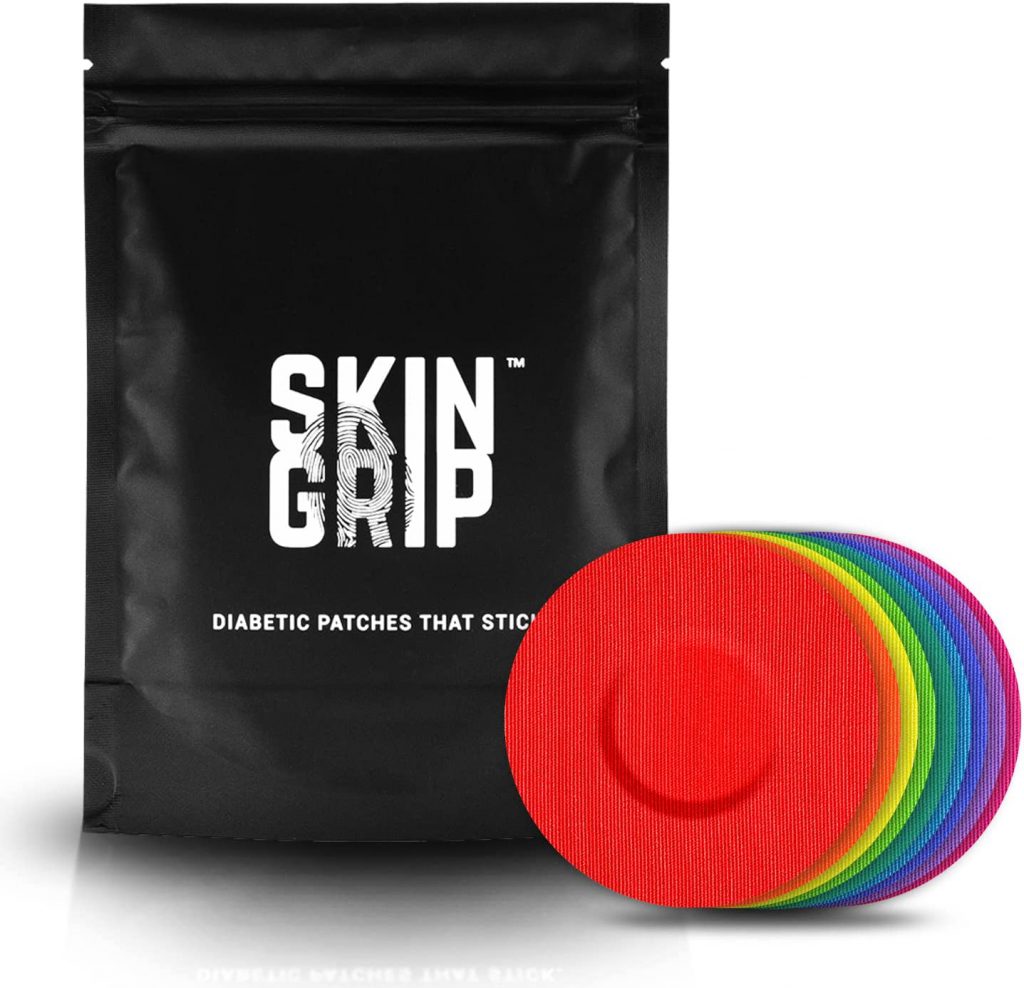
Skin Grip
Rayon that is latex/ zinc oxide free and hypoallergenic
Expression Med
Exclusive non-woven material in many designs
Make Your Own Patch with Athletic Tape
  • Libre Overpatch Options
Lexcam Hypoallergenic and Latex-Free
Skin Grip
Rayon that is latex/ zinc oxide free and hypoallergenic
Expression Med
Exclusive non-woven material in many designs
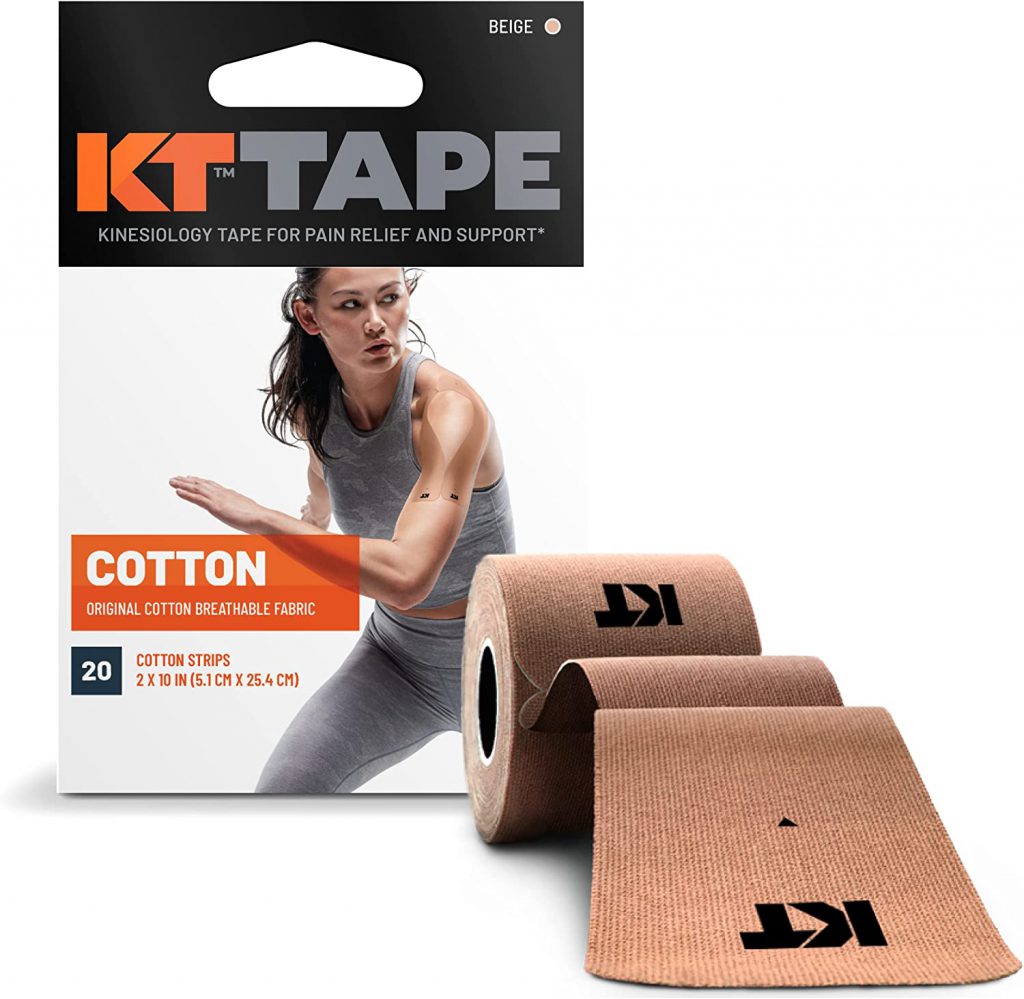
Make Your Own Patch with Athletic Tape
  • OmniPod Overpatch Options
Overpatches
Skin Grip
Rayon that is latex/ zinc oxide free and hypoallergenic
Expression Med
Exclusive non-woven material in many designs
Make Your Own Patch with Athletic Tape

Shields

Add a shield before applying an overpatch to a T1D medical device to allow for easy removal of the overpatch. The shield protects the initial medical device’s adhesive patch when applying an overpatch. When the overpatch (applied over the shield) starts to peel at the edges, simply remove the extra overpatch without disturbing the initial adhesive patch.

Dexcom Shield
OmniPod Shield
Libre Shield

Arm Bands

Arm bands can worn over T1D medical device’s initial patch or be used in addition to overpatches. Adding an arm band over a T1D medical device while in water and then wearing it until the adhesive patch dries, helps keep the adhesive in place. Use a device specific arm band (Dexcom, Libre or Omnipod) or general compression band over all devices.

Dexcom Arm Band
Libre Arm Band
OmniPod Arm Band
Compression Arm Band

Liquid Adhesive

Adding an adhesive barrier before applying a T1D medical device (Dexcom, Libre, Infusion Site, OmniPod) provides extra adhesive to the initial adhesive. A second layer of liquid adhesive on top of the adhesive patch provides even more sticking power. Further, apply liquid bandage to edges of an adhesive patch that starts to peel-up from daily wear-and-tear from being in water.

Skin Tac Liquid Adhesive
Skin Tac Wipe
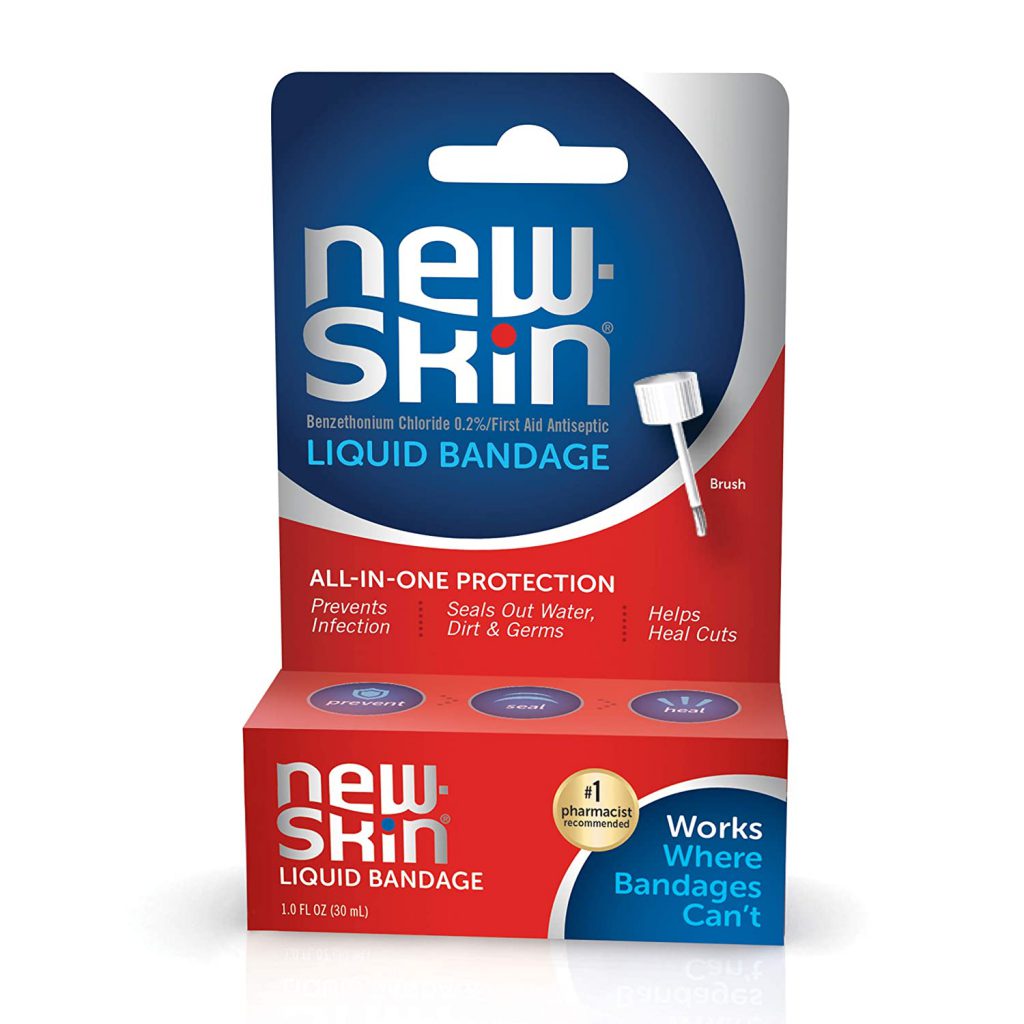
New Skin Liquid Bandage

Adhesive Bandage Wrap

Adhesive Bandage Wrap (a.k.a. vet wrap) comes in various colors and sizes to wrap over T1D medical devices. Vet wrap works like a compression band but is much easier to remove and dries faster. Vet wrap can shrink when going from dry-wet-dry again. It is important to check the tightness of the wrap throughout the day on young kids.

Vet Wrap for CGMs

Sunscreen

Keep your skin protected even at indoor pools. Sunburns can cause high blood glucose levels and ruin your fun. When applying sunscreen stay clear of the medical device’s adhesive patches (sunscreen can make the adhesive malleable and device will just slide off) and OmniPod insulin pumps (sunscreen causes pods to crack/leak). Consider using a sunscreen stick or solar buddy to apply sunscreen safely around adhesive patches.
Sunscreen Stick
Solar Buddy

Easing Injections (Shots), Insertions (Site Changes) and Finger Pokes for Type 1 Diabetic Kids

Posted on August 3, 2019September 15, 2025 By Diabetes Amigo
Easing Injections (Shots), Insertions (Site Changes) and Finger Pokes for Type 1 Diabetic Kids
Tips

This post may contain affiliate links. Please see the affiliate disclosure for more details.

Multiple Daily Injections (MDI) with a syringe, insertions from pump site changes, Continuous Glucose Monitoring (CGM) insertions, and finger pokes are sometimes mentally hard for kids. The anticipation when getting an injection or insertion is sometimes worse than the actual pain.

Tips / Products / Prescriptions

Tips

  • Be Ready – minimize the amount of time spent giving injections by having the insulin, site change supplies, CGM parts, and lancets ready. Try to prepare these items out of sight.
  • Make Shots/Insertions “Fun” (or feel some control) – let kids select the syringe, choose the location for the injection/insertion, press the plunger on the syringe, read the glucose meter results or have them put items in the sharps container.
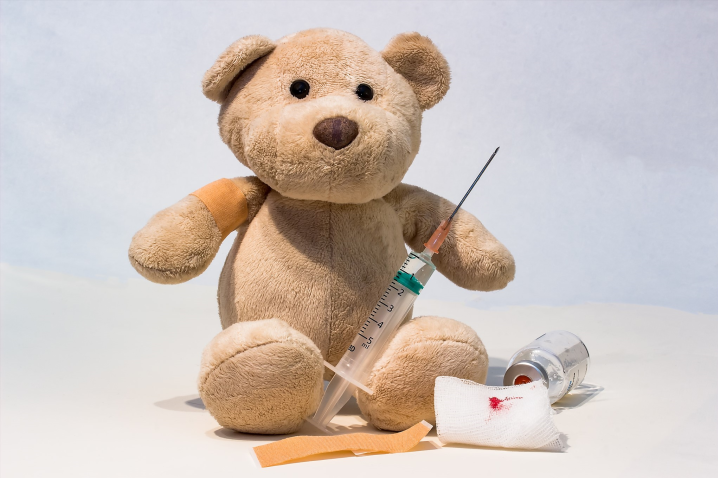
  • Stuffed Toy – let kids give Rufus the Bear or another stuffed toy an injection with a toy syringe.
    • Have the stuffed toy be a distraction by hugging the stuffed toy during an injection. Squeezing or hugging the toy can be comforting during the injection. Make-up a story about the stuffed toy that helps your child be brave and gives them extra courage while they hug the toy tight during injections.
  • Reward System – create a reward system for every injection, insertion, or finger poke. Rewards can include:
    • Hugs
    • Reading a book afterwards
    • Fun Band-Aids
    • Sticker chart/shot chart and when full or after a successful streak a treat/toy is received
    • “Brave Box” with treasures/poke prizes. Most items can come from the Dollar Store or bargain bins.
    • Earn “brave bucks” that are used towards a big ticket item like a trip to Disneyland or an expensive toy
    • One-on-one time with Mom/Dad at the park
    • Find your child’s “currency” and use it to your advantage
  • Diabetic Buddy – sometimes kids just need to talk to someone else going through the same thing. Get in contact with another diabetic kid around the same age that has mastered injections/insertions/finger pokes.
    • Meet in person, via Skype, or FaceTime
    • Gaming system buddy (PS4 or Xbox playing a game like Fortnight)
    • JDRF connects newly diagnosed families with a mentor family
    • Connect on social media. Facebook has several closed groups:
      • T1D Mod Squad
      • Diaper and Diabetes
      • Elementary and Diabetes
      • Learning to Thrive with T1D
      • OmniPod and Dexcom Users
  • YouTube – search for videos showing kids receiving injections, giving themselves injections, changing pump sites, checking their blood sugar with a glucose meter, OminPod and CGM insertions and generally taking care of their diabetes. Watching a few videos may help.
  • Distractions – provide kids with a distraction that helps take their mind off the syringe/injection/insertion/finger poke.
    • Stress toys or fiddle toys (batons with glittery water, fidget spinner, squishy ball)
    • Watching a video or TV. Consider wearing headphones to avoid hearing priming of pumps and injection noises.
    • Ask kids to wiggle their toes as fast as they can or hold their nose. These actions tend to not allow you to think about anything else.
    • Sing a song
  • Cough at Insertion – theory that coughing at time of needle/cannula insertion provides a distraction that momentarily increases blood pressure reducing pain perceptions.
  • Breathing/Meditation – find a breathing technique that simulates relaxation. Breathing out as the needle/cannula is inserted into the body helps relieve pain.
  • Cold Object – use ice or freeze a spoon/smooth rock and place it on the skin for 2 minutes to help numb the injection site.

Products

  • Buzzy – hand-held device that naturally minimizes pain from injections and finger pokes. Uses vibration, ice and distraction methods. Make sure to clean the skin with alcohol after using Buzzy. Multiple sizes available:
    • Buzzy Bee
    • Buzzy Lady Bug
  • Reusable Ice Pack – come in friendly kid designs and cartoon characters.
  • Topical Anesthetic Creams and Cooling Sprays– cream or spray that temporarily numbs the skin of the injection/insertion site. Available in prescription strength and over the counter:
    • Numing Cream
    • Roll-on
    • Spray
  • Shotblocker – plastic device with contact points on the underside that saturates the sensory nerves distracting the pain signals caused by the injection.
  • TickleFlex – insulin injection aid that makes injecting a safer, more comfortable, more consistent and worry-free process.
  • Ambimed InjectEase – helps people that do not like to see needles and also helps reduce the pain of the injections.
  • Autoject 2 – designed for individuals who have difficulty injecting themselves manually with a syringe. A button allows for one-handed operation inserts the needle and contents without having to see the needle. This device also helps widen the range of injection sites.

Prescriptions

  • Needle Size for Injections – needle size refers to both the length and gauge (thickness) of the needle. Use the smallest gauge needle possible. Also consider if the pen or syringe is a better delivery method. Some kids find the pen less intimidating and less “shot like”.
    • Smallest size for syringes is 6 mm
    • Pen Needles smallest size is 4 mm
  • Finger Pokes Lancer and Lancets – look for a lancing device that offer options for changing the depth of penetration of the lancets and use the thinnest gauge lancets:
    • 28 gauge is the thickest needle (hurts more)
    • 30 gauge needle
    • 33 gauge is the thinnest needle (hurts less)
  • i-Port Advance – an injection port that is inserted once and worn for 3 days. Injections are given via the port with no pain. This prescription medical device helps reduce anxiety with syringes and pain experienced with injections.
  • Insulin Pumps – receiving insulin from a pump replaces the need for multiple daily injections (MDI) at meal times and injections of long acting basal insulin. There are two types of pumps:
    • Tubed Insulin pumps
    • Insulin Patch Pumps
  • Topical Anesthetic Creams – cream that temporarily numbs the skin of the injection/insertion site. Also available over the counter:
    • Lidocaine

  • Instagram
  • Facebook

Copyright © 2026 Diabetes Amigo.

Theme: Oceanly News by ScriptsTown