





Skip to content

Diabetes Amigo

Supporting the parents and caregivers of kids diagnosed with Type 1 Diabetes

  • Easing Injections
  • Carb Counting
  • Travel
  • Sports
Cruise with T1D
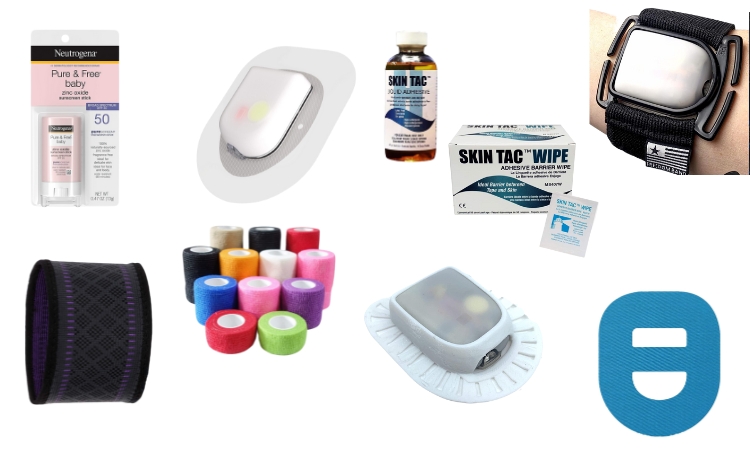
T1D Make Dexcom Stick for 10 Days
T1D Make OmniPod Stick for 3 Full Days
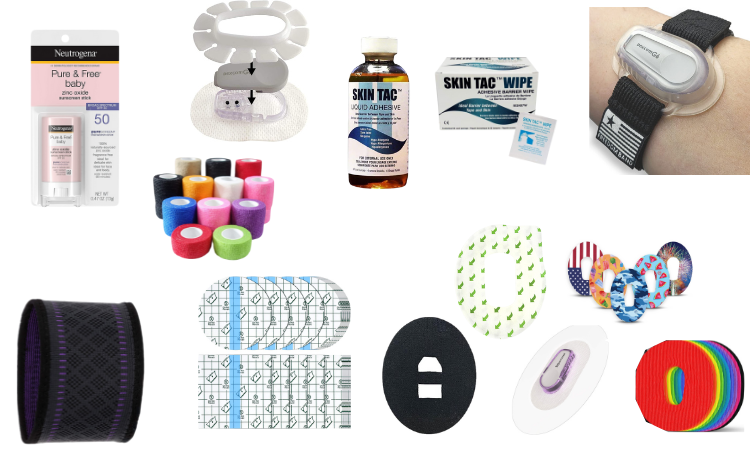
T1D Making CGMs and Pumps Stick in Water
Swimming and T1D Type 1 Diabetes
Type 1 Diabetes at Water Parks
famousT1D
Famous People with Type 1 Diabetes (T1D)
Skiing and Winter Sports with Type 1 Diabetes
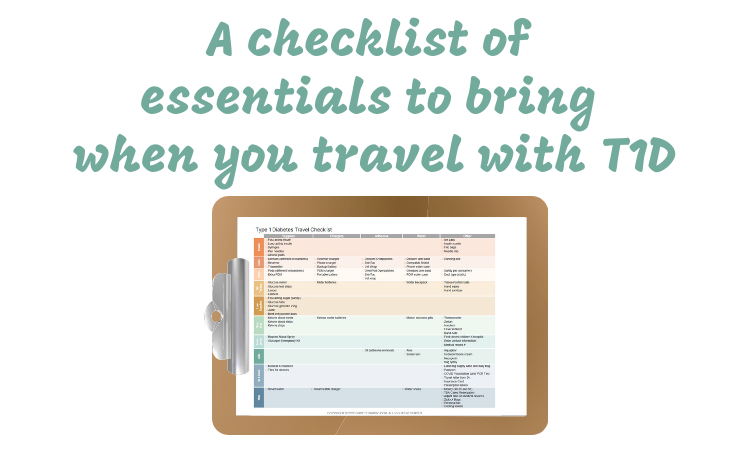
Type 1 Diabetes Travel Packing Checklist
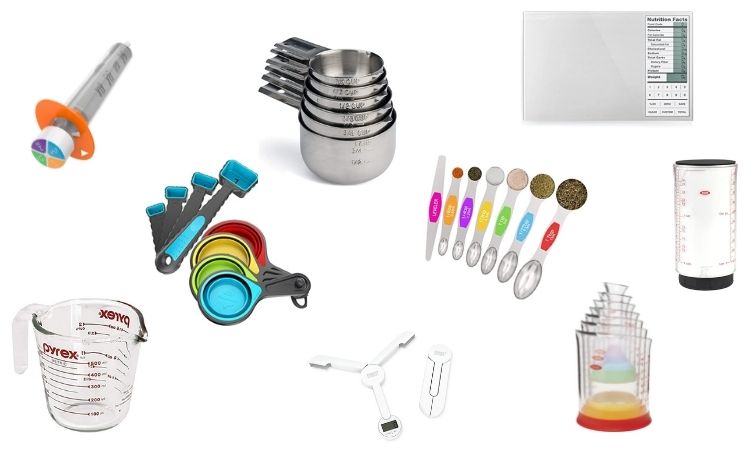
Tips for Measuring Food for Carb Counts
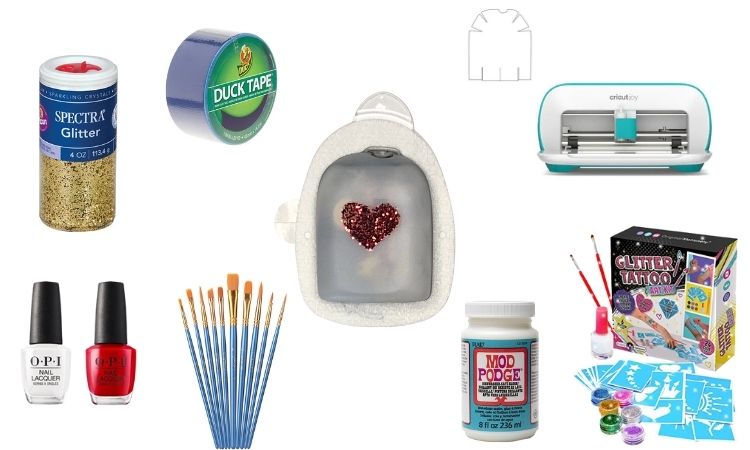
Decorating OmniPod Pods
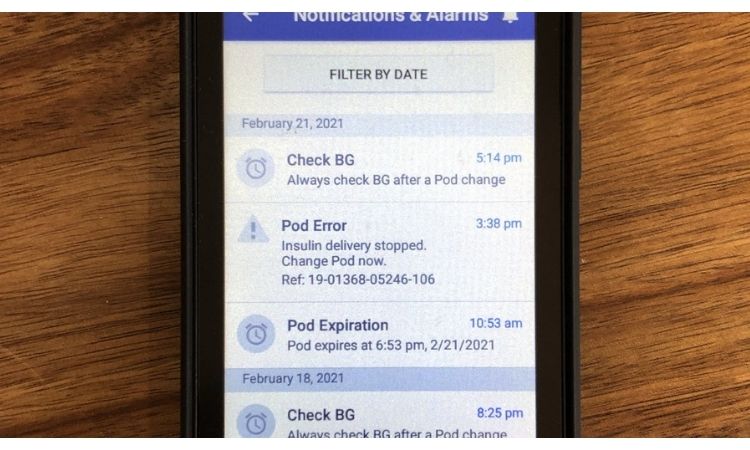
Avoiding OmniPod Static Failures
Donating Unused Supplies
Diabetes Medical Waste Recycling and Disposal
Halloween Switch Witch

Using, Storing and Protecting Insulin

Posted on September 8, 2019August 9, 2022 By Diabetes Amigo
Using, Storing and Protecting Insulin
Day-to-Day T1D

You were most likely provided with instructions for properly storing your unopened insulin in the refrigerator but little instructions once the insulin vial is opened. Insulin vials require extra care from the time they are removed from the box/refrigerator and used. Consider the following ways to keep your insulin safe. #ad

Best Practices / Temp Control / Protectors / Storage

Best Practices

  • Refrigerated Vial of Insulin – an unused vial of insulin kept in the refrigerator is good until the expiration date. A used vial of insulin kept in the refrigerator is good for 28 days.
  • Un-refrigerated Vial of Insulin – assuming a used/open vial of insulin is kept at reasonable temperature variations (no direct sun/heat or freezing temperatures) it is effective for 28 days.
  • Receiving Insulin – make sure when you purchase/receive your insulin it was continuously refrigerated and cold to the touch.
    • Local Pharmacy – confirm the insulin was continuously refrigerated and not placed on the shelf for pick-up. Also check the expiration date.
    • Mail Order / 90-day Prescriptions – insulin should arrive packed with ice packs that are still frozen and the insulin boxes do not feel warm.

Temperature Control

  • Wireless Refrigerator Thermometer – make sure your refrigerator maintains temperature control by installing an alarm with audible and visual alarms. When temperatures exceed your pre-set minimum and maximum alarm settings you are notified with beeps.
  • Frio Case – fabric case that includes an internal wallet that when dipped in water remains cool for 48 hours. Great for daily use to protect open insulin vial or pump from extreme temperatures or to add padding around a vial. Various colors and sizes available.
    • 1 vial mini wallet
    • 2 vials wallet
    • Large wallet
    • Extra large wallet – great for pumps
  • Insulin Ice Pack Coolers – protect open or unopened insulin from extreme temperatures, while traveling or on long car rides. Cases also have removable/reusable ice packs and space for storing other diabetic supplies.
    • ROHKLER Insulin Cooler – hard case
    • ChillMED Micro Cooler – hard case
    • Goldwheat Portable Insulin Cooler Bag – soft case
  • CaseMD – compact vacuum-insulated container that protects and maintains temperature control for vials and pens.

Daily Use Protectors

  • Securitee Blanket – sleeve that projects and provides a secure grip for one insulin vial. The vial is not removed from the sleeve to fill a syringe. Available in two sizes and various colors.
    • Short Sleeve fits Humulin, Humalog, Novolin, Novolog and Fiasp
    • Tall Sleeve fits Lantus, Apidra and Levimer
  • Vial Safe – silicone reusable lightweight cover that allows for a secure grip and helps prevent breakage and shattering. Includes 2 different size protectors that fit various brands of short and long acting insulin.

Storage

  • HangTite Pen Holder – pen holder that is designed to mount inside the refrigerator to organize five insulin pens.
  • Vial Vase – keeps vials upright and secure in your refrigerator, on your counter-top, or anywhere you store your insulin.
  • Organizer Supply Box – divided plastic box for holding vials in the refrigerator.
  • 3D Printer – consider printing your own insulin storage device with free downloadable templates. Some public libraries have free 3D printers or you can find a vendor to print it for you.
    • STLFinder

Diabetic Alert Dog (DAD)

Posted on August 11, 2019September 27, 2025 By Diabetes Amigo
Diabetic Alert Dog (DAD)
Other Stuff

This post may contain affiliate links. Please see the affiliate disclosure for more details.

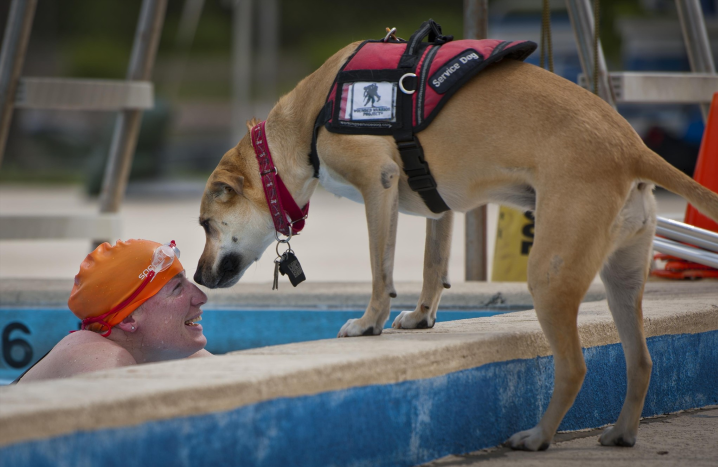
Diabetic Alert Dogs (DADs) are service animals that are trained to alert diabetics of low (hypoglycemia) or high (hyperglycemia) blood sugar in a timely manner to avoid dangerous situations. The dogs have a heightened sense of smell that gives them the ability to add another layer of protection in your diabetes management.

Research / Providers / DIY / Fundraising Ideas / Grants

Research

If you are thinking about adding a DAD to your family, there are few more things to consider than just the cost (typically $10k to $20k USD). I recommend reading articles that explore other considerations like ongoing costs and training, questions to ask trainers, types of alerts, etc:

  • The Americans with Disabilities Act defines how service animals are defined, where they are allowed, and other rules.
  • How To Get The Diabetic Alert Dog You Want by Dorrie Nuttall
  • Diabetes Alert Dogs: Buyer Beware by Cattet and Hardin
  • What To Consider Before Getting A Diabetic Alert Dog by Maggie Jones

Providers

There are no national standards for training DADs. Therefore, picking a provider of your DAD requires lots of research including performing reference checks. Listed are various DAD providers (the list is not an endorsement of any one provider):

  • All Purpose Canines, SD and TX
  • Canine Hope for Diabetics, CA
  • Canine Ranch, GA
  • Diabetic Alert Dogs of America, NV
  • Dogs 4 Diabetics, CA
  • Freedom Paws Assistance Dogs, OH
  • Heads Up Hounds, NE
  • Medical Mutts, IN
  • Pieces of the Universe, OR
  • River’s Edge Dog Academy, TX
  • Service Dog Academy, MO
  • Service Dogs by Warren Retrievers, VA
  • Super Sniffer Training Program, WV
  • Tattle Tails, UT

Do It Yourself (DIY) Books, Videos and Facebook Groups

  • Books
    • The Ping Project: How we Trained a Diabetic Alert Dog at Home – by Shari Finger
    • Training Your Diabetic Alert Dog – by Martinez and Barns
    • DOG A Diabetic’s Best Friend Training Guide: Train Your Own Diabetic and Glycemic Alert Dog – by Veronica D. Zimmerman
    • Lifesaving Labradors: Stories From Families With Diabetic Alert Dogs – by Ben McClelland
    • Working Like Dogs: The Service Dog Guidebook – by Marcie Davis
    • Super Sniffer Handbook: A Guide to Scent Training for Medical Alert Dogs – by Debby Kay
  • Videos
    • Search Youtube for videos on collecting scent samples, scent imprinting (isoprene), collecting saliva samples for imprinting and DAD training.
  • Facebook Groups
    • Diabetic Alert Dog Advice
    • Diabetic Alert Dog Self Training

Fundraising Ideas

  • Online fundraising like GoFundMe or FirstGiving
  • T-shirt fundraiser
  • Garage sale
  • Chili dog supers
  • Golf tournament
  • Get your local news or local paper to do a story on your fundraising efforts
  • Grow flowers and sell them
  • Lemonade stand
  • Yardwork/Mow lawns
  • Zumba fundraiser
  • Ask neighbors to save recyclable items and redeem for cash
  • Pet sitting
  • “Pay What You May” bake sale

Grants

  • T1D Mod Squad offers a grant
  • Emma’s Journey grant
  • The Pet Fund lists various grants and finanical assistance options
  • If living in Iowa – Council Bluffs Cosmopolitan Club offers a grant

Toys for Type 1 Diabetic (T1D) Kids

Posted on August 8, 2019August 9, 2022 By Diabetes Amigo
Toys for Type 1 Diabetic (T1D) Kids
Kid Stuff

This post may contain affiliate links. Please see the affiliate disclosure for more details.

Helping kids cope and understand a diabetes diagnosis can be helped with educational toys, games, and accessories. Creating a special toy that demonstrates blood glucose readings or injections is nice way for kids to not feel alone in their diagnosis.

Stuffed Toys / Accessories for Toys / Coloring Books / Games

Stuffed Toys and Dolls

  • Squishmallows Amideus The Orange Dinosaur – soft squishy orange stuffed animal with cloth Dexcom, pump and Omnipod. Only at Walmart.
  • Rufus the Bear – most kids receive their Rufus the Bear at time of diagnosis during their hospital stay. Rufus is just one of the amazing items in the in the JDRF Bag of Hope.
  • Jerry the Bear – kids gain hands-on practice with counting carbs, monitoring Jerry’s blood sugar, and dosing Jerry with insulin. Kids care for Jerry using the virtual diabetes tools and the digital pantry via an app!
  • Coco the Monkey – character from the Lilly Coco books in plush.
  • Pumpernickel the Monkey – Pumpernickel helps smooth the transition to insulin pump therapy for kids.
  • Ruby The Bear With Diabetes – Juvenile Diabetes Research Foundation International “Beating Diabetes with Hugs and Love XOXO” bear. This bear is discontinued but is sometimes sold used on Amazon or Ebay.
  • MediKin – a unisex doll with teaching tools to show kids about their pancreas.
  • Lenny the Lion – offered by Medtronic to help with insulin pump infusion set placement practice and needle injections. Lenny also has a pad on his paw to practice using lancets.
  • Pancreas Plush –
  • GIANTmicrobes – plush pancreas or beta cell that includes an educational card with fascinating facts!
  • I Heart Guts – pancreas plush, pancreas stickers and key chains.
  • Percy the Snail – plush stuffed animal with an embroidered insulin pump. The snail is the mascot for the Beyond Type 1 pen pal program.
  • My BFF Stuff-a-Bear – these stuffed animals can be used in a variety of ways to store T1D supplies. The stuffed animals have a Velcro back that allows for storage. Use as an everyday storage case or for sleepovers with family or friends. The bear arrives unstuffed with the cotton to stuff it.
  • Bright Ears – dolls wearing insulin pumps and CGMs. Check out their other inclusive dolls that include sight loss, hearing aids and much more.

Diabetes Accessories for Toys

  • Our Generation Sweet Treatment Diabetic Accessory Set – set of doll sized diabetes accessories sold at Target. Accessories could be used for 18″ dolls, other stuffed toys or Elf on the Shelf.
  • American Girl Doll – set of doll sized diabetes accessories sold by American Girl. Accessories could be used for 18″ dolls or other stuffed toys.
  • Heroic Kid – CGM (Dexcom and Libre), insulin pump, and Omnipod accessories for kid’s toys.
  • Glucomart – has Barbie, Elf on the Shelf, and dolls/stuffed toys size 18-24” diabetes accessories.
  • Deck My Diabetes – OmniPod and T-slim pump accessories for dolls and stuffed animals.

Coloring Books

  • T1 Everyday Magic – coloring pages, craft ideas and games.
  • Evan Gets Diabetes Coloring Book (It’s Kind of Scary Coloring Books) – coloring book by Barbara Jean Sabet
  • Diabetes Mantras A Coloring Book for Diabetes Heroes – coloring book by Anne Manera
  • MyTypeOne – downloadable coloring pages featuring animals wearing CGMs and pumps.

Games

  • Omnipod Bay – Nintendo® Online account game with Animal Crossing. It is an action-packed island for people with diabetes, for their families, friends — for everyone. Connect. Explore. Uncover hidden surprises.
  • Milchmania – a memory game that presents 22 kinds of food: some increase the blood sugar and some don’t. The idea behind this memory game is to teach the diabetic child, his friends, his parents, his family and everyone else around him/her in a playful way which food contain carbohydrates and which don’t. The game comes in KE and CHO carbohydrate calculations.
  • My Food Plate Bingo – helps kids understand how to create healthy meals.
  • Grandma Sandy – offers free downloads of coloring books, games, puzzles, etc. about T1D.
  • Lenny the Lion – online games and downloads from Lenny the Lion (Metronic) that teach carb counting and other topics on diabetic care.

Easing Injections (Shots), Insertions (Site Changes) and Finger Pokes for Type 1 Diabetic Kids

Posted on August 3, 2019September 15, 2025 By Diabetes Amigo
Easing Injections (Shots), Insertions (Site Changes) and Finger Pokes for Type 1 Diabetic Kids
Tips

This post may contain affiliate links. Please see the affiliate disclosure for more details.

Multiple Daily Injections (MDI) with a syringe, insertions from pump site changes, Continuous Glucose Monitoring (CGM) insertions, and finger pokes are sometimes mentally hard for kids. The anticipation when getting an injection or insertion is sometimes worse than the actual pain.

Tips / Products / Prescriptions

Tips

  • Be Ready – minimize the amount of time spent giving injections by having the insulin, site change supplies, CGM parts, and lancets ready. Try to prepare these items out of sight.
  • Make Shots/Insertions “Fun” (or feel some control) – let kids select the syringe, choose the location for the injection/insertion, press the plunger on the syringe, read the glucose meter results or have them put items in the sharps container.
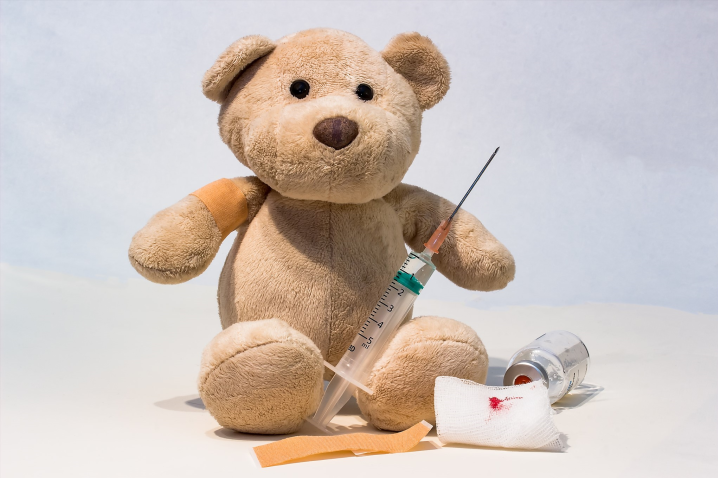
  • Stuffed Toy – let kids give Rufus the Bear or another stuffed toy an injection with a toy syringe.
    • Have the stuffed toy be a distraction by hugging the stuffed toy during an injection. Squeezing or hugging the toy can be comforting during the injection. Make-up a story about the stuffed toy that helps your child be brave and gives them extra courage while they hug the toy tight during injections.
  • Reward System – create a reward system for every injection, insertion, or finger poke. Rewards can include:
    • Hugs
    • Reading a book afterwards
    • Fun Band-Aids
    • Sticker chart/shot chart and when full or after a successful streak a treat/toy is received
    • “Brave Box” with treasures/poke prizes. Most items can come from the Dollar Store or bargain bins.
    • Earn “brave bucks” that are used towards a big ticket item like a trip to Disneyland or an expensive toy
    • One-on-one time with Mom/Dad at the park
    • Find your child’s “currency” and use it to your advantage
  • Diabetic Buddy – sometimes kids just need to talk to someone else going through the same thing. Get in contact with another diabetic kid around the same age that has mastered injections/insertions/finger pokes.
    • Meet in person, via Skype, or FaceTime
    • Gaming system buddy (PS4 or Xbox playing a game like Fortnight)
    • JDRF connects newly diagnosed families with a mentor family
    • Connect on social media. Facebook has several closed groups:
      • T1D Mod Squad
      • Diaper and Diabetes
      • Elementary and Diabetes
      • Learning to Thrive with T1D
      • OmniPod and Dexcom Users
  • YouTube – search for videos showing kids receiving injections, giving themselves injections, changing pump sites, checking their blood sugar with a glucose meter, OminPod and CGM insertions and generally taking care of their diabetes. Watching a few videos may help.
  • Distractions – provide kids with a distraction that helps take their mind off the syringe/injection/insertion/finger poke.
    • Stress toys or fiddle toys (batons with glittery water, fidget spinner, squishy ball)
    • Watching a video or TV. Consider wearing headphones to avoid hearing priming of pumps and injection noises.
    • Ask kids to wiggle their toes as fast as they can or hold their nose. These actions tend to not allow you to think about anything else.
    • Sing a song
  • Cough at Insertion – theory that coughing at time of needle/cannula insertion provides a distraction that momentarily increases blood pressure reducing pain perceptions.
  • Breathing/Meditation – find a breathing technique that simulates relaxation. Breathing out as the needle/cannula is inserted into the body helps relieve pain.
  • Cold Object – use ice or freeze a spoon/smooth rock and place it on the skin for 2 minutes to help numb the injection site.

Products

  • Buzzy – hand-held device that naturally minimizes pain from injections and finger pokes. Uses vibration, ice and distraction methods. Make sure to clean the skin with alcohol after using Buzzy. Multiple sizes available:
    • Buzzy Bee
    • Buzzy Lady Bug
  • Reusable Ice Pack – come in friendly kid designs and cartoon characters.
  • Topical Anesthetic Creams and Cooling Sprays– cream or spray that temporarily numbs the skin of the injection/insertion site. Available in prescription strength and over the counter:
    • Numing Cream
    • Roll-on
    • Spray
  • Shotblocker – plastic device with contact points on the underside that saturates the sensory nerves distracting the pain signals caused by the injection.
  • TickleFlex – insulin injection aid that makes injecting a safer, more comfortable, more consistent and worry-free process.
  • Ambimed InjectEase – helps people that do not like to see needles and also helps reduce the pain of the injections.
  • Autoject 2 – designed for individuals who have difficulty injecting themselves manually with a syringe. A button allows for one-handed operation inserts the needle and contents without having to see the needle. This device also helps widen the range of injection sites.

Prescriptions

  • Needle Size for Injections – needle size refers to both the length and gauge (thickness) of the needle. Use the smallest gauge needle possible. Also consider if the pen or syringe is a better delivery method. Some kids find the pen less intimidating and less “shot like”.
    • Smallest size for syringes is 6 mm
    • Pen Needles smallest size is 4 mm
  • Finger Pokes Lancer and Lancets – look for a lancing device that offer options for changing the depth of penetration of the lancets and use the thinnest gauge lancets:
    • 28 gauge is the thickest needle (hurts more)
    • 30 gauge needle
    • 33 gauge is the thinnest needle (hurts less)
  • i-Port Advance – an injection port that is inserted once and worn for 3 days. Injections are given via the port with no pain. This prescription medical device helps reduce anxiety with syringes and pain experienced with injections.
  • Insulin Pumps – receiving insulin from a pump replaces the need for multiple daily injections (MDI) at meal times and injections of long acting basal insulin. There are two types of pumps:
    • Tubed Insulin pumps
    • Insulin Patch Pumps
  • Topical Anesthetic Creams – cream that temporarily numbs the skin of the injection/insertion site. Also available over the counter:
    • Lidocaine

Posts pagination

Previous 1 2 3
  • Instagram
  • Facebook

Copyright © 2026 Diabetes Amigo.

Theme: Oceanly News by ScriptsTown