Skip to content

Diabetes Amigo

Supporting the parents and caregivers of kids diagnosed with Type 1 Diabetes

  • Easing Injections
  • Carb Counting
  • Travel
  • Sports
  • Home
  • #t1dstrong

Tag: #t1dstrong

Cruise with T1D

Posted on August 29, 2025January 14, 2026 By Diabetes Amigo
Cruise with T1D
Travel

Living with Type 1 diabetes doesn’t mean you have to anchor your dreams of adventure, especially when it comes to cruising. From managing blood sugar levels on the open water to navigating dietary needs at sea, this journey requires thoughtful planning.

Know Before You Go / Sea Sickness / Ship Security / Packing Checklist / Supplies

This post may contain affiliate links. Please see the affiliate disclosure for more details.

Know Before You Go

Guest Services at the various cruise lines are familiar with people living with diabetes and typically offer the following services/exemptions:
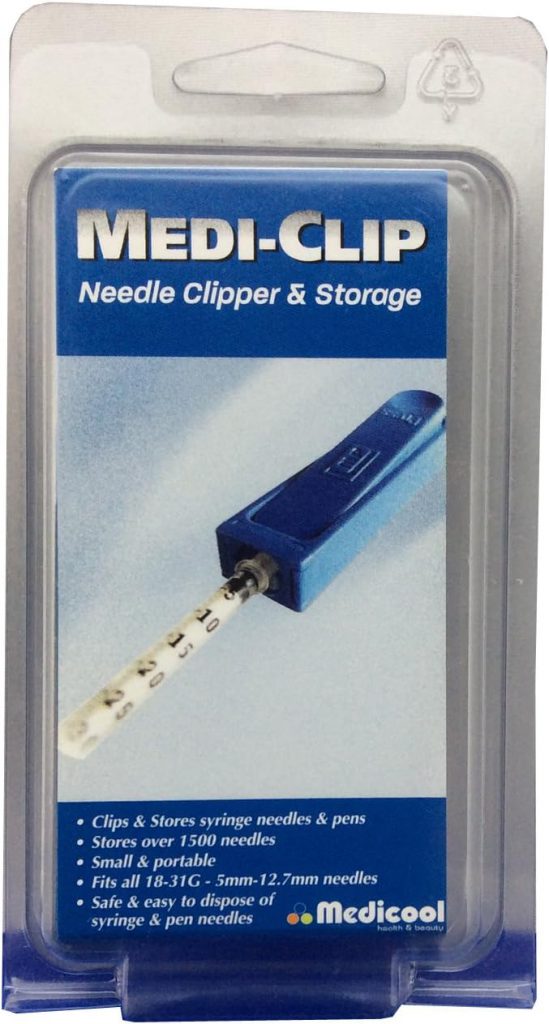
Needle Clip
  • Sharps containers for in-room use (some public restrooms may have sharps disposal)
    • Tip: Skip a sharps container and use a needle clip instead
  • Portable medi-coolers for insulin storage or ice buckets
  • Mini fridges to maintain the temperature of beverages (i.e., juice or milk)
  • Free Wi-Fi for the management of medical devices (i.e., CGM or pump data), but typically requires a letter from your doctor
  • Liquids exemption – allows you to board the ship with water, juice, and shelf-stable milks that are used for lows/hydration. This exemption also applies to liquids when reboarding the ship from ports of call.
  • Food exemption – allows you to bring food on board for the treatment of lows.

As soon as you book your cruise, email Guest Services for any special needs/requests to allow time to gather any requested documentation and to ensure availability.

Travel Insurance
Consider if travel insurance is something you need. Some travel insurance plans cover medical transport, if needed.

Sea Sickness Prevention

If prone to motion sickness, it might be a good idea to prepare your body for the motion of the cruise ship. Consider taking any of the following the night before the start of the cruise.
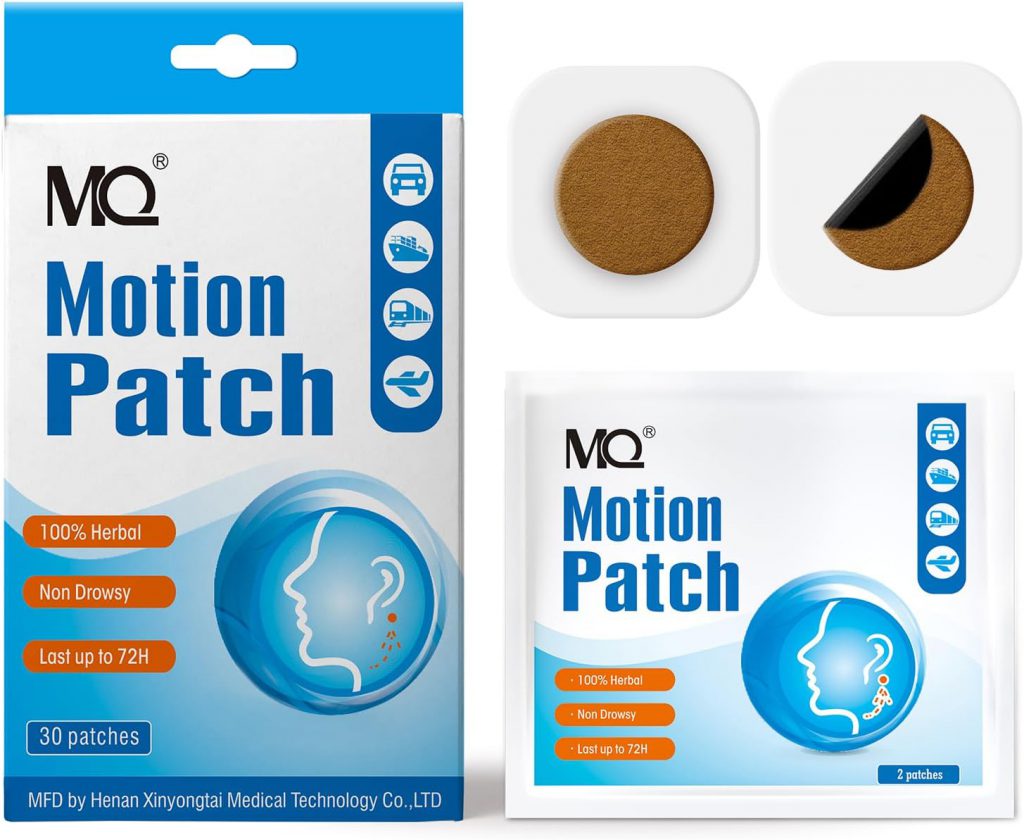
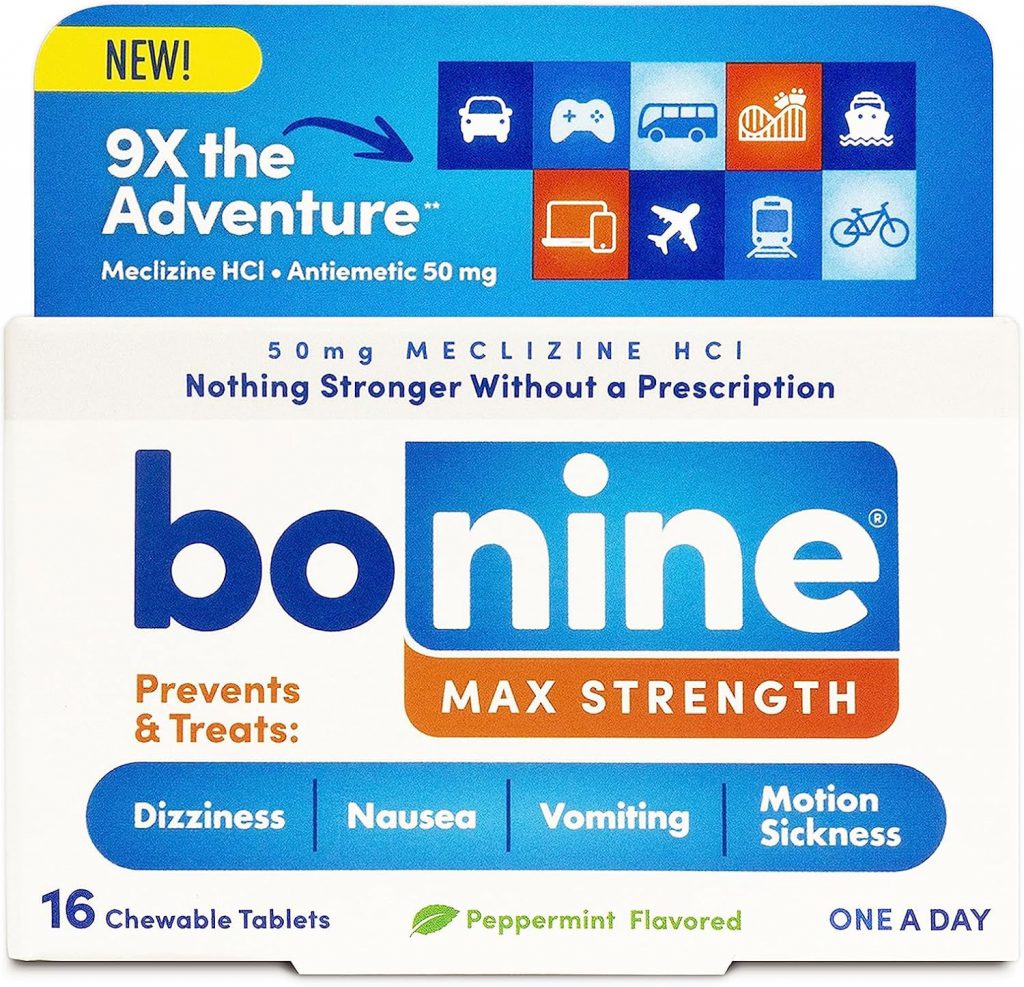
Motion Patch

Bonine

Ginger Supplement

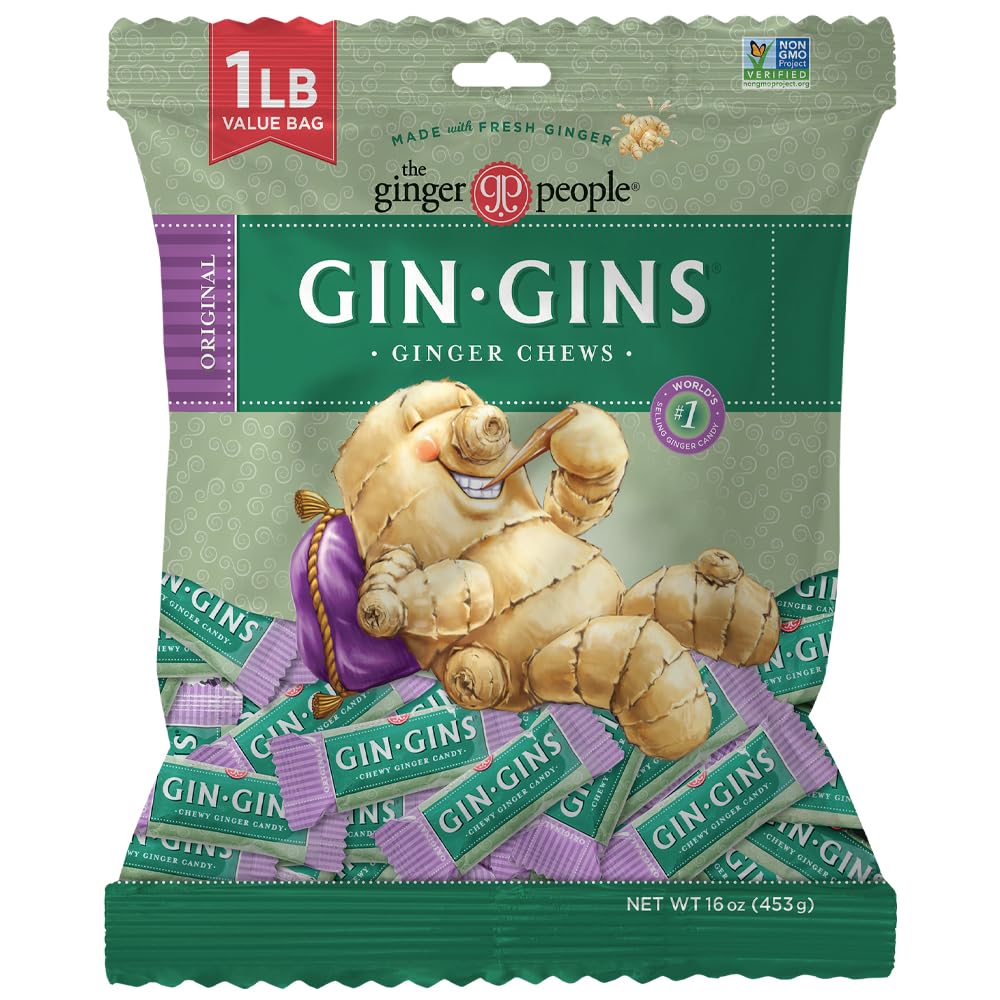
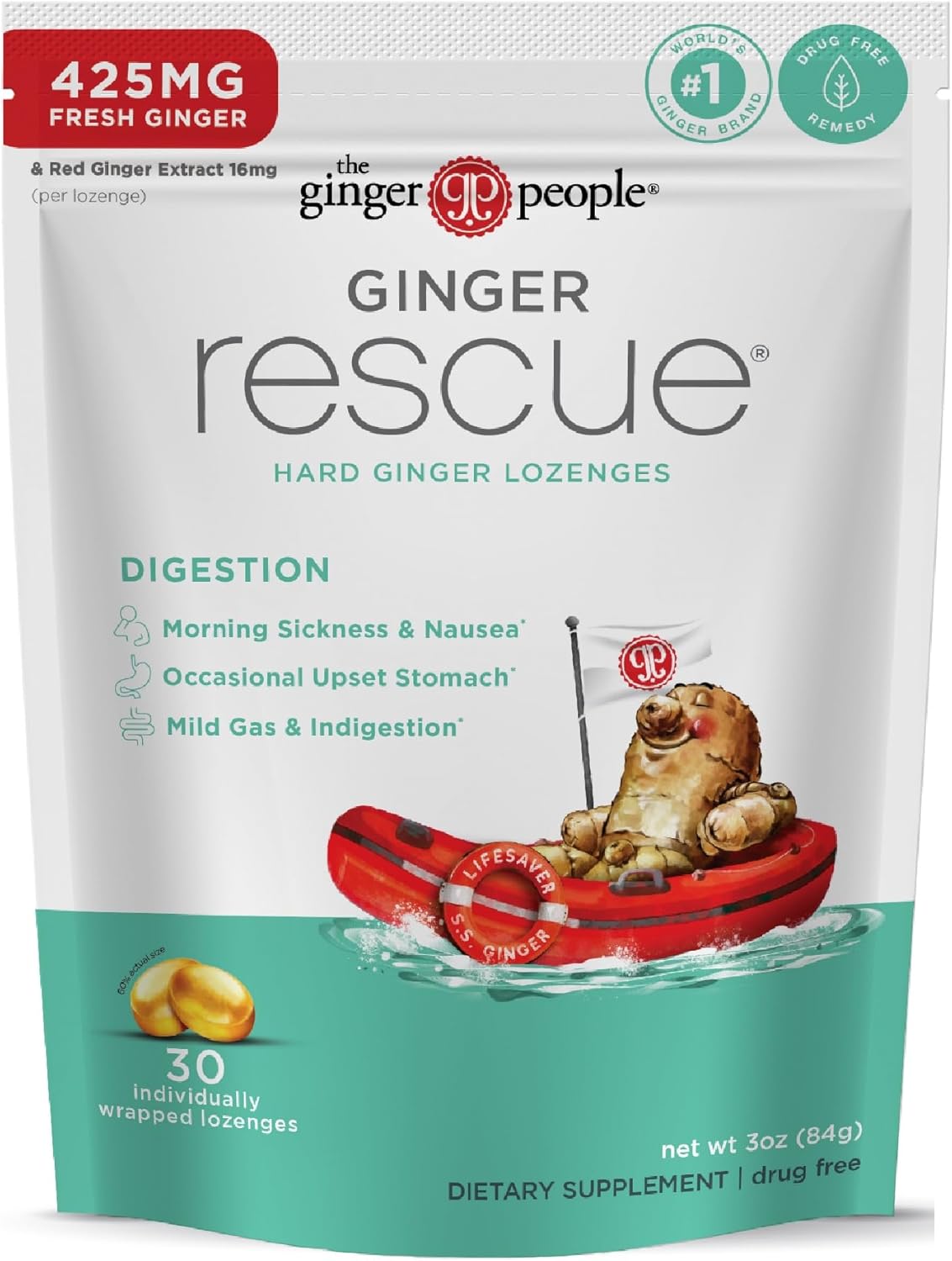
If feeling sea sick during the cruise, a ginger candy or tea can help settle your stomach.

Ginger Tea

Ginger Candy
Ginger Rescue

Cruise Ship Security

Be prepared to have your diabetes supplies and other carry-on items scanned. Cruise ship boarding is very similar to flying and going through TSA at the airport. The person wearing medical devices will also be asked to walk through an X-ray/body scanner machine.

Consider which supplies you are comfortable having x-rayed, and/or check the user manuals for each medical device to determine whether x-raying is permitted. Many people with diabetes have their supplies x-rayed and report no issues. I avoid having medical supplies/devices (CGM, Omnipods, backup pumps, and spare meters), and the person wearing them go through an X-ray.

If cruising internationally, bring copies of your prescriptions, the medication box, and/or a letter from your doctor.

T1D Packing Checklist

The Cruise Packing Checklist is organized by topic and includes items for diabetic supplies, chargers, extra adhesive, considerations for water activities, seasickness, and other miscellaneous needs during a cruise. The quantity of supplies is not listed because it will vary based on your length of stay and travel type. It is recommended to bring triple the required supplies.

Download the editable MS Word T1D Cruise Packing Checklist:
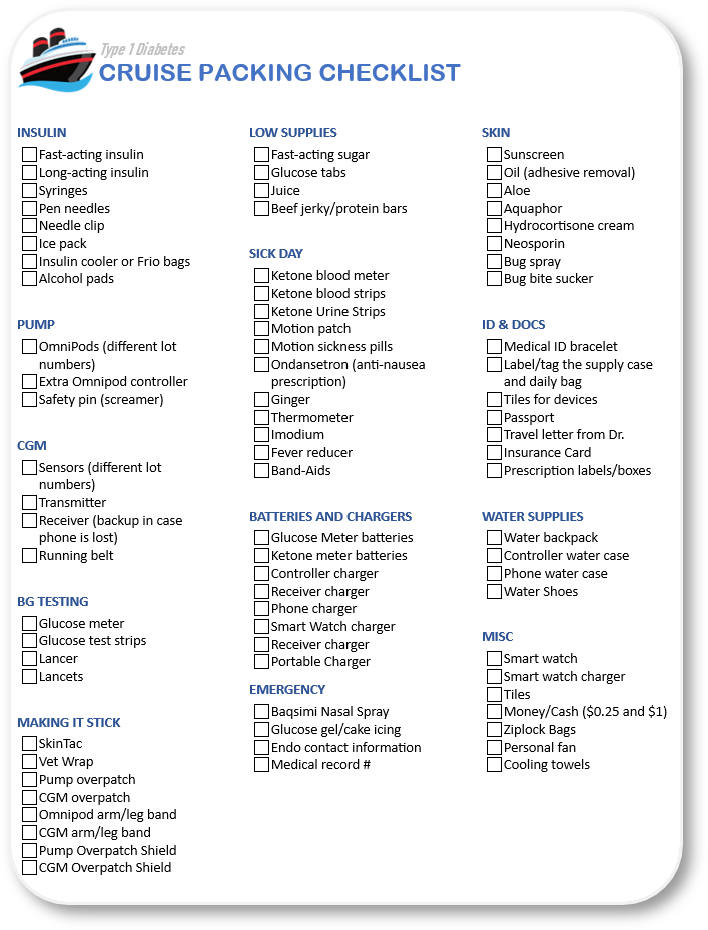
T1DCruisePackingChecklistDownload

Packing T1D Supplies for a Cruise

Bring all your diabetes supplies on your cruise as carry-on items. An organized carry-on bag is key for getting through security efficiently. Consider packing your diabetes supplies in three (3) packing cubes:

  1. Non X-Rayed Supplies
    • CGM Sensors
    • CGM Transmitter
    • Ominpod Pods
    • Spare Glucose Meter
    • Blood Ketone Meter
  2. X-Rayed Supplies
    • All other supplies
  3. Sick Day/First Aid Kit

Only the non-x-rayed packing cube needs to be removed from your carry-on bag and handed to security so that it will not be scanned. Keeping only the supplies that you don’t want x-rayed separate makes getting through security faster.

T1D on the Cruise Ship

A few random tips that are helpful for managing Type 1 Diabetes while on a cruise ship:

  • Take a tour of the boat to familiarize yourself with the ship’s medical services and first aid stations.
  • Develop a plan for time change zones (especially if pumping) and if any considerations are needed to manage your blood sugar/insulin delivery.
  • If pumping, call your pump company to request a spare/backup pump for travel.
  • If using a phone with cellular service, keep the phone in airplane mode or request free Wi-Fi.
  • At mealtime, ask your server (or take food from the buffet) for a snack to keep in the room for overnight lows (PB&J or cookies) or to take on excursions.
  • Bring storage bags for ice and food storage.
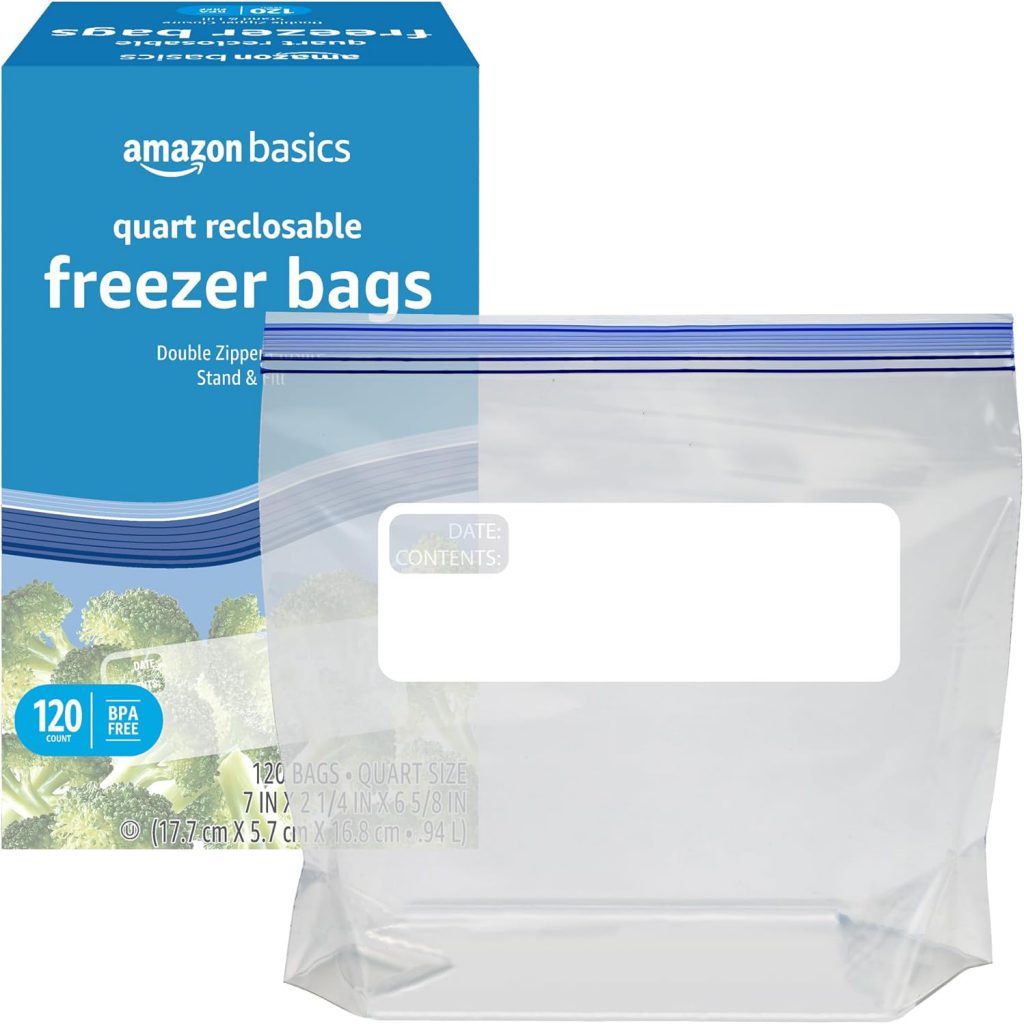
Storage Bags

Cruise with Other People Living with Type 1 Diabetes

If you are looking to cruise with others who live with Type 1 Diabetes, consider the 1 Sweet Cruise.
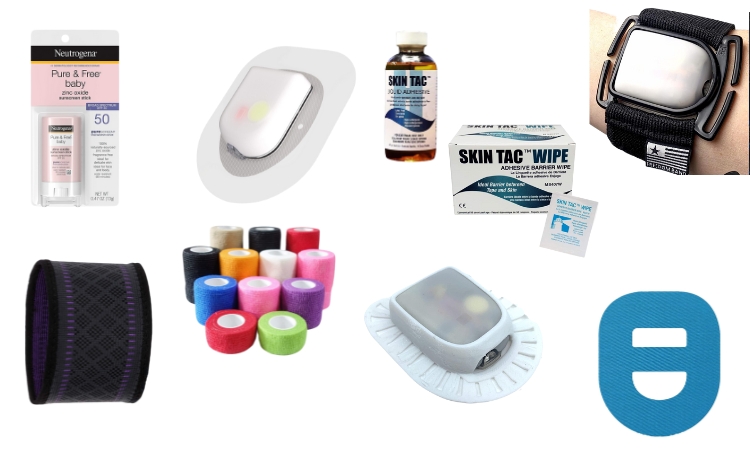
T1D Make OmniPod Stick for 3 Full Days

Posted on June 22, 2023June 23, 2023 By Diabetes Amigo
T1D Make OmniPod Stick for 3 Full Days
Tips

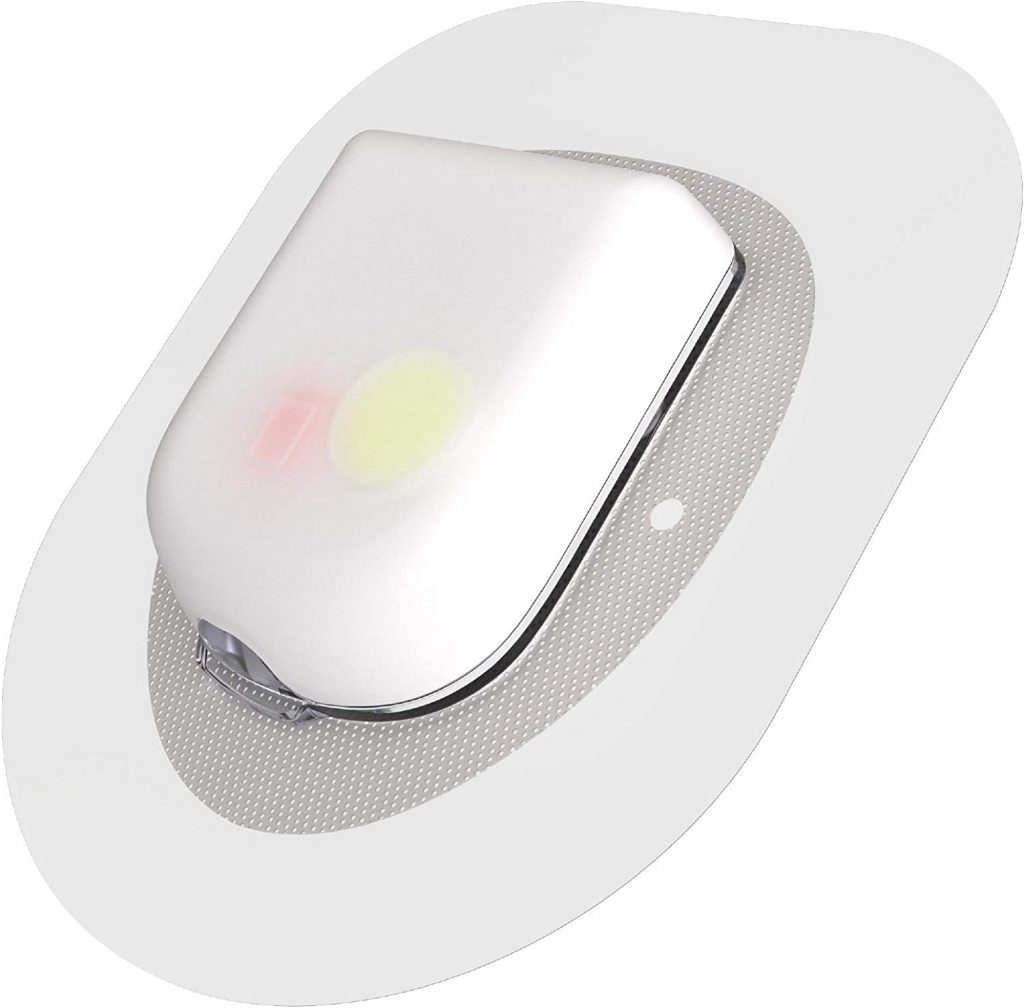
The OmniPod Insulin Pump has an adhesive patch that adheres to the body and is expected to last 3 full days. Daily life (baths, swimming, heat, etc.) and your personal skin can cause the pod’s adhesive to fail. Add extra adhesive or utilize accessories to help keep the pod securely in place for 3 days.

Extra Adhesive / Accessories / Sunscreen

This post may contain affiliate links. Please see the affiliate disclosure for more details.

Add Extra Adhesive

Lexcam Overpatches (latex free)

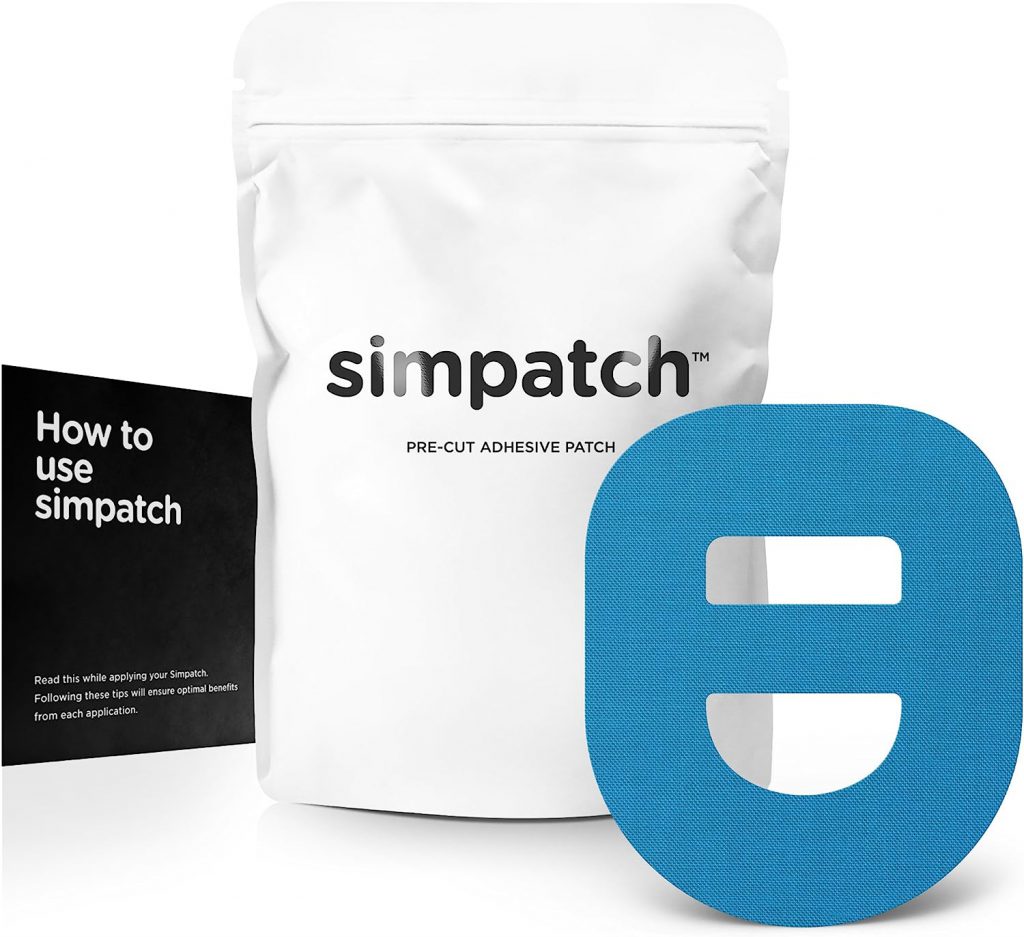
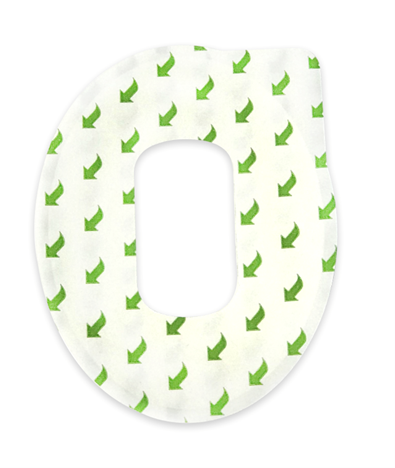
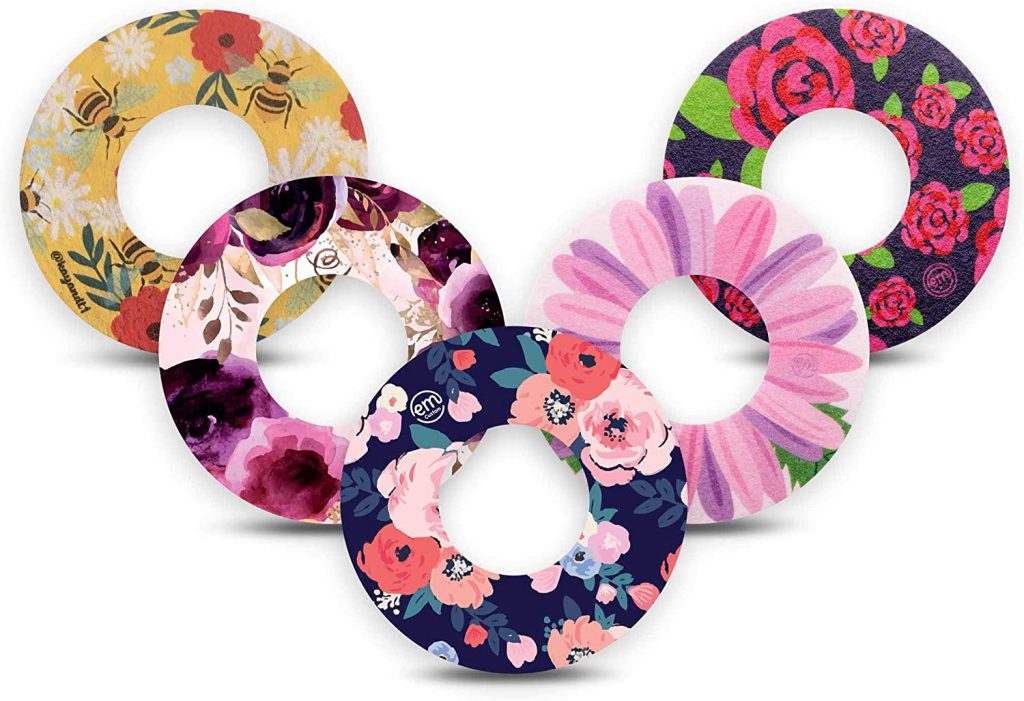
Overpatches – add an extra adhesive patch over OmniPod’s initial adhesive patch. Overpatches are typically precut to fit the pod (and available in various colors and designs).

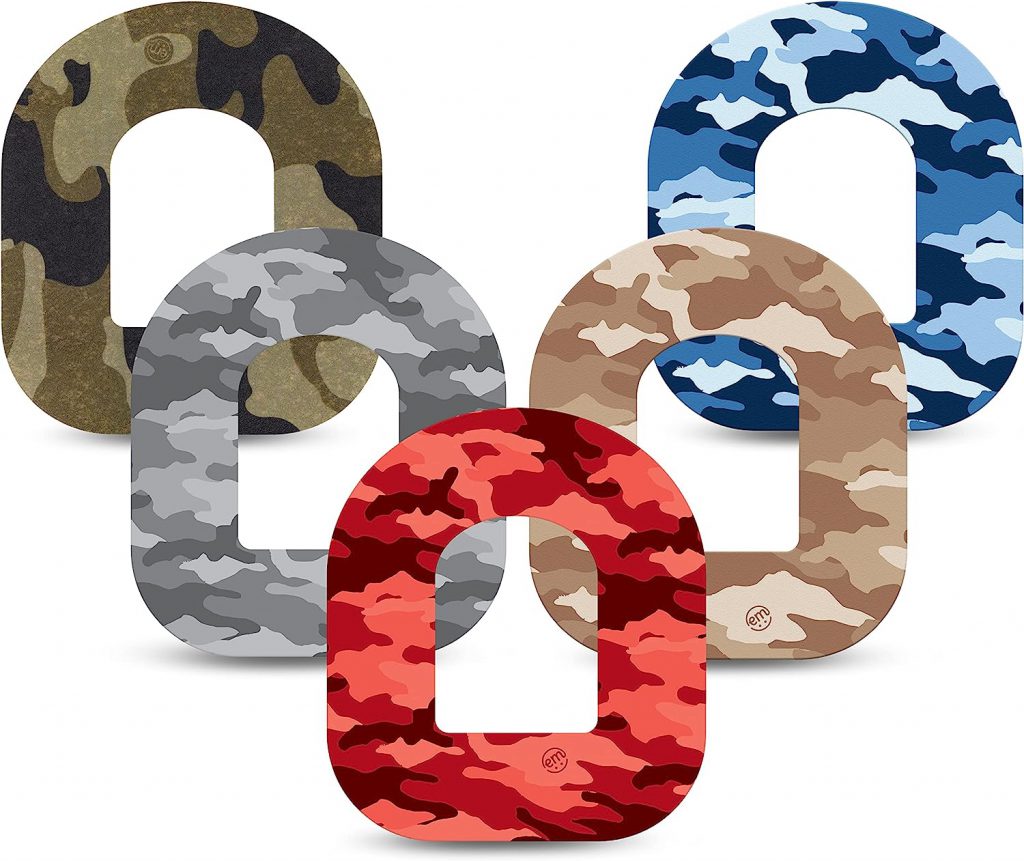
Colored Overpatches
Overpatches with Designs
Overpatch with Strap
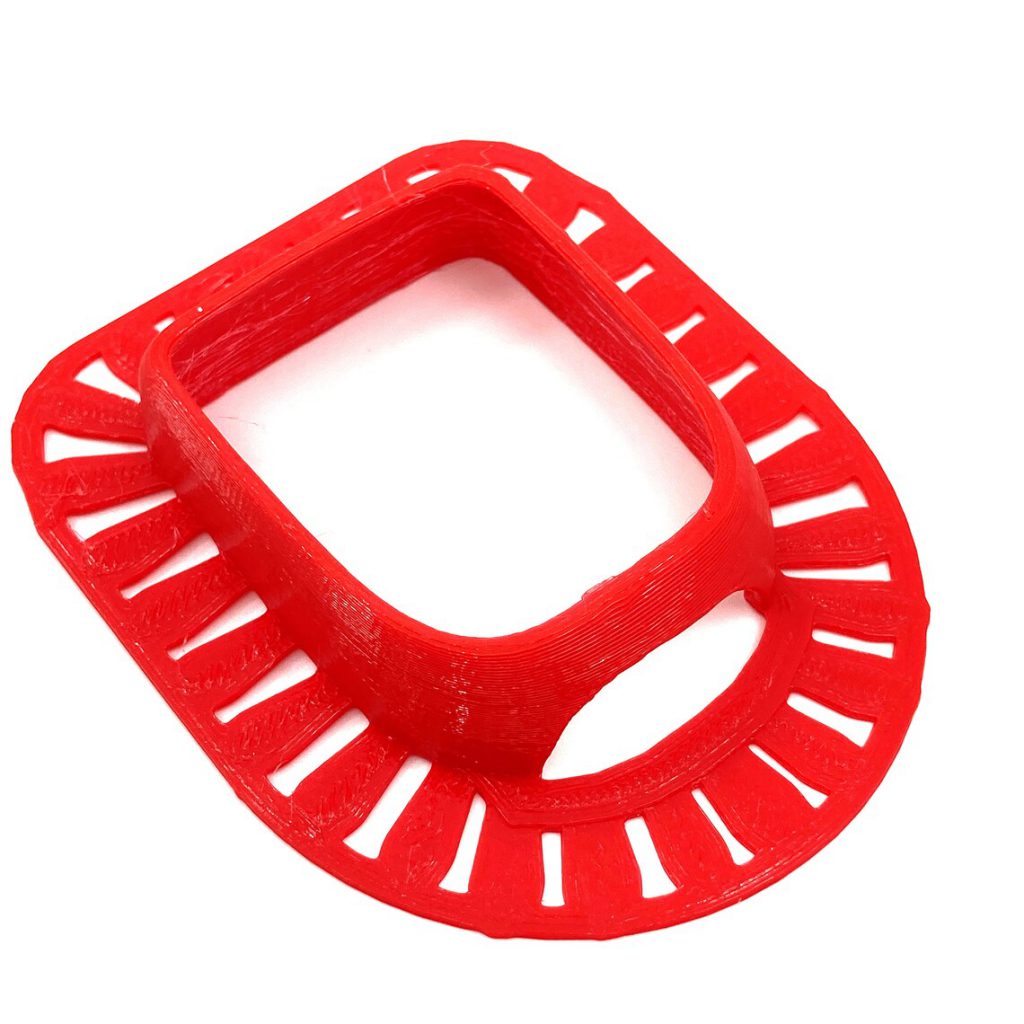
OmniPod Shield

Shield – Add a shield before applying an overpatch to your Pod to allow for easy removal of the overpatch. The shield protects the pod’s initial adhesive patch when applying/removing an overpatch. When the overpatch starts to peel at the edges, simply remove the extra overpatch without disturbing the pod’s initial adhesive patch.

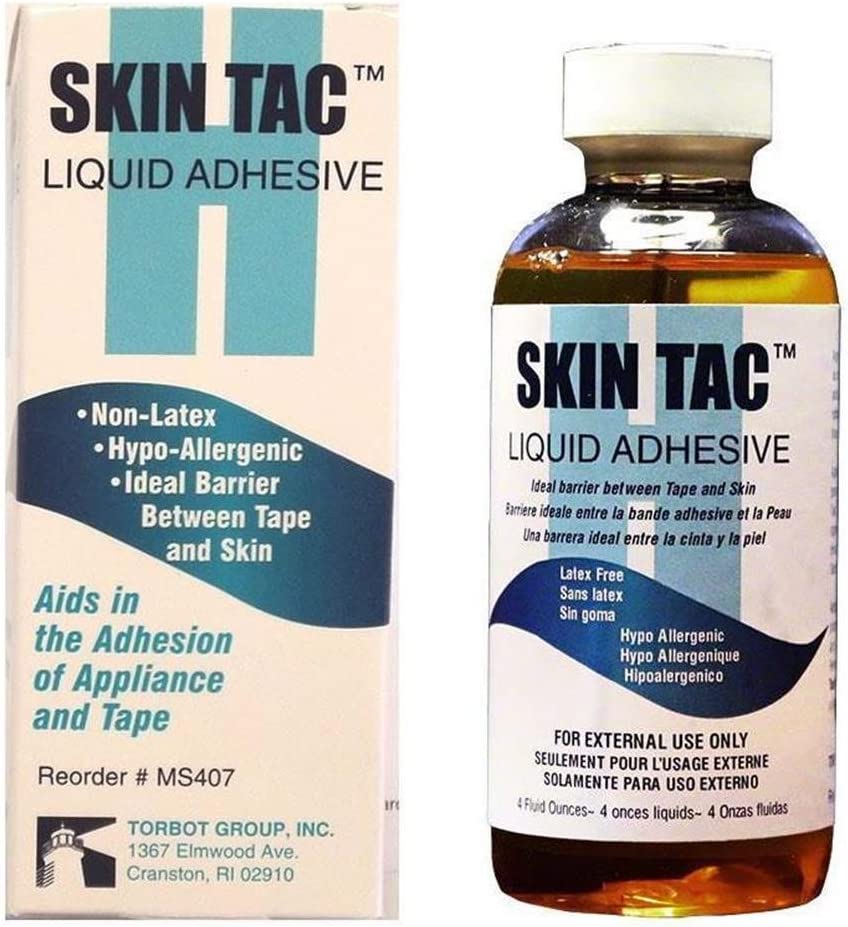
Skin Tac Liquid Adhesive

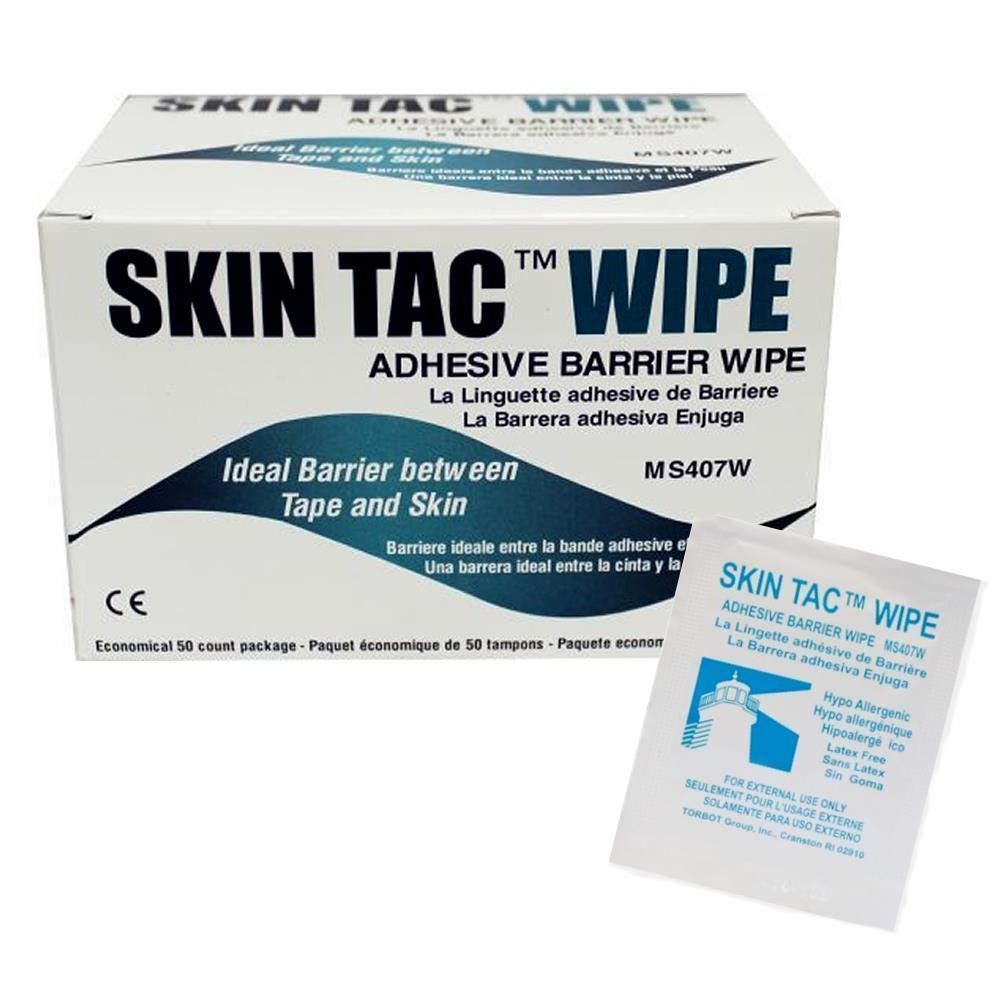
Liquid Adhesive – Adding an adhesive barrier with liquid adhesive before applying a pod provides skin protection and extra adhesive to the pod’s initial adhesive patch. A second layer of liquid adhesive on top of the pod’s patch provides even more sticking power. Further, apply liquid adhesive to the edges of an adhesive patch that starts to peel-up from daily wear-and-tear. Purchase in economical bottle or in travel wipe size.

Skin Tac Wipes

Accessories

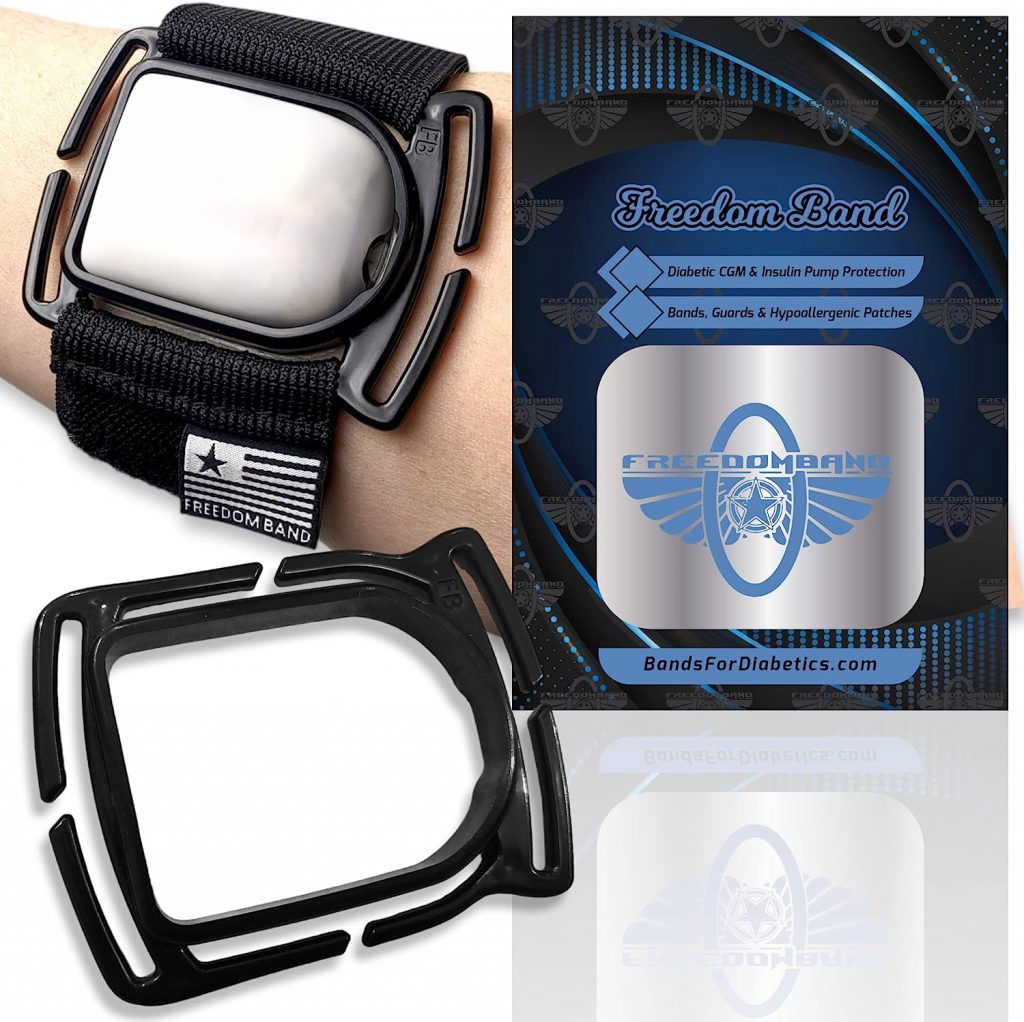
OmniPod Arm Band

Arm Bands – Arm bands can worn over a pod’s initial patch or be used in addition to overpatches. Adding an arm band over a pod initial adhesive patch can help during water activities (be sure to keep the arm band on until the adhesive patch dries to help keep the adhesive patch and cannula in place.

Compression Band

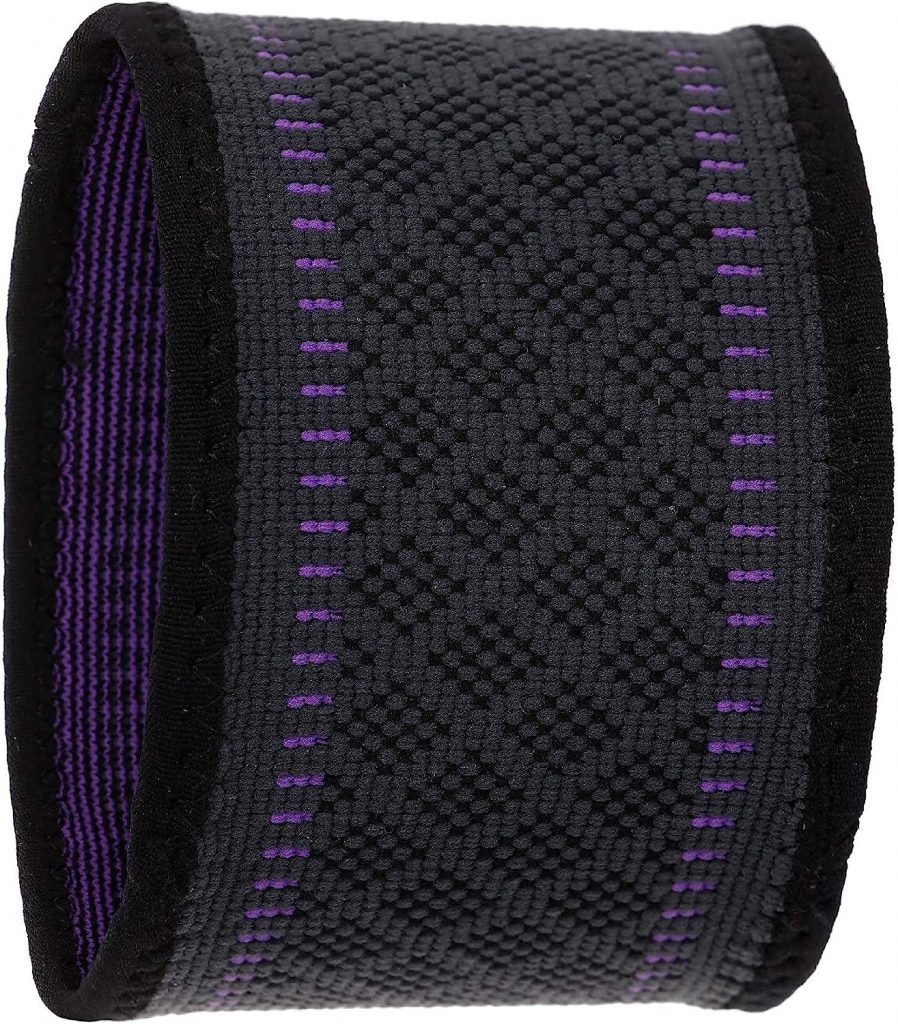
Compression Band – wear a compression band over a pod to protect a pod from being ripped off your body and during water activities (wear in water and then wear the compression band until the band dries to help keep the adhesive and cannula in place).

Vet Wrap

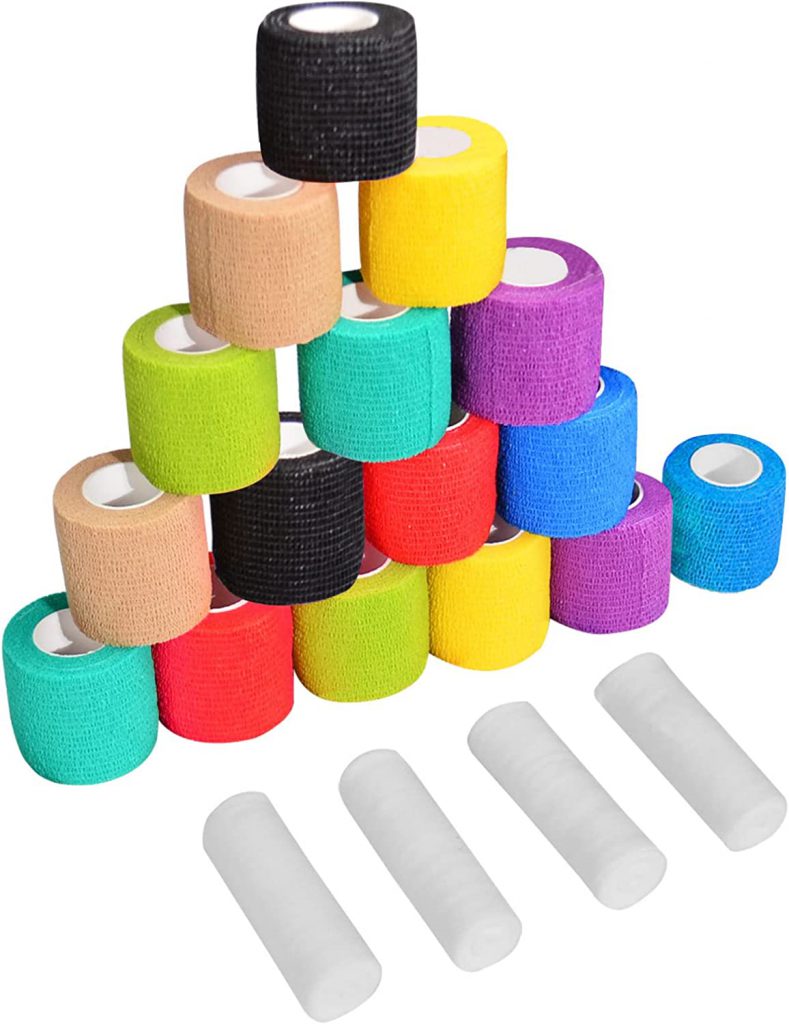
Adhesive Bandage Wrap (a.k.a. Vet Wrap) – comes in various colors and sizes to wrap over the pod. Vet wrap works like a compression band but is much easier to remove and dries faster. Also, allows for custom sizing of the wrap to cover pods on arms, legs and stomach. Tip – vet wrap can shrink when going from dry-wet-dry again. It is important to check the tightness of the wrap throughout the day on young kids.

Sunscreen

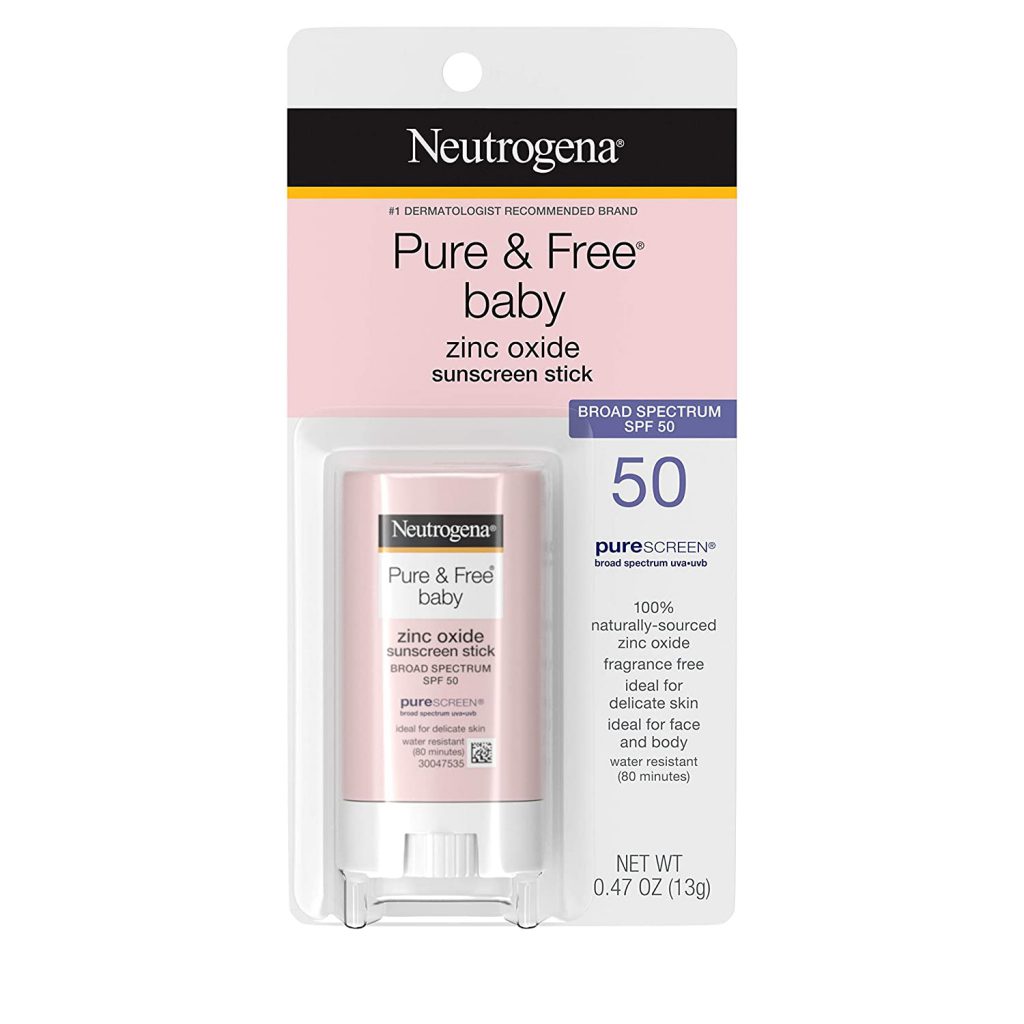
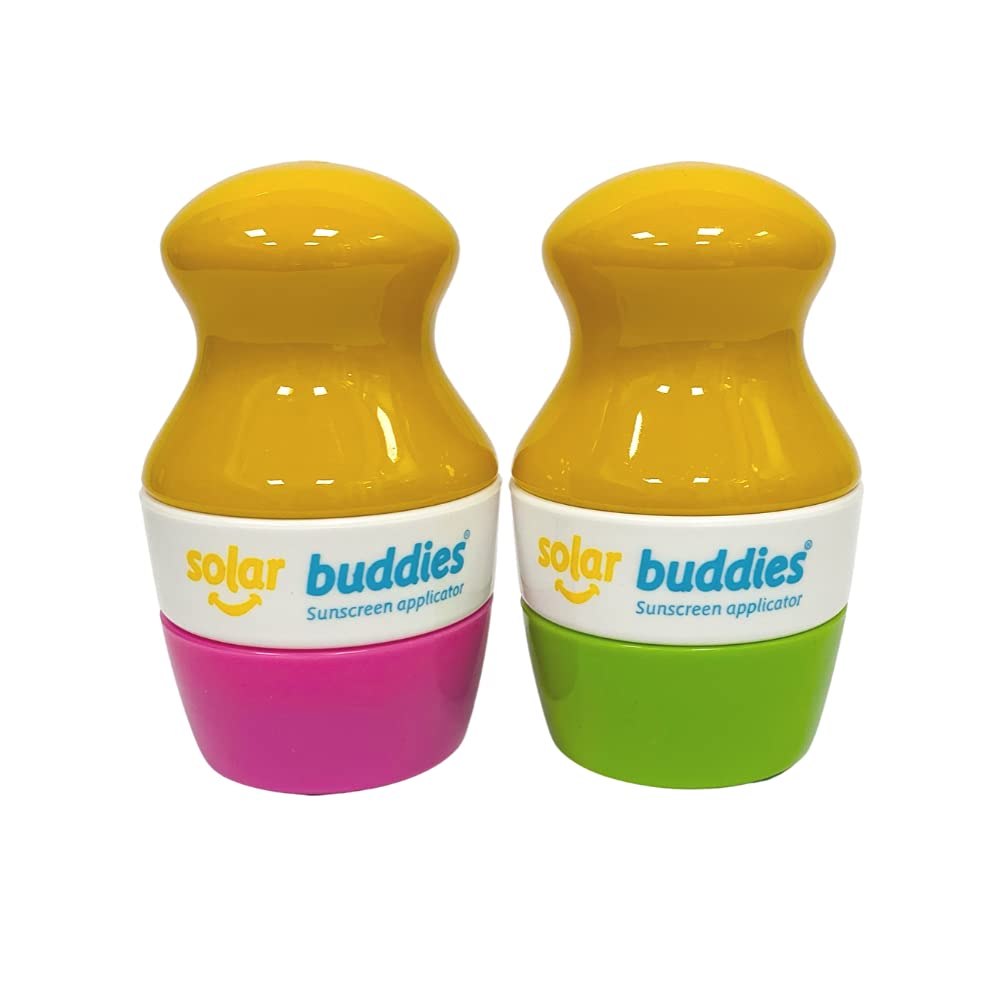
When applying sunscreen stay clear of the pod’s adhesive patches (sunscreen can make the adhesive malleable and device will just slide off). Also, avoid spray sunscreen because it causes pods to crack/leak. Consider using a sunscreen stick or solar buddy to apply sunscreen safely around adhesive patches and pods.

Sunscreen Stick
Solar Buddy

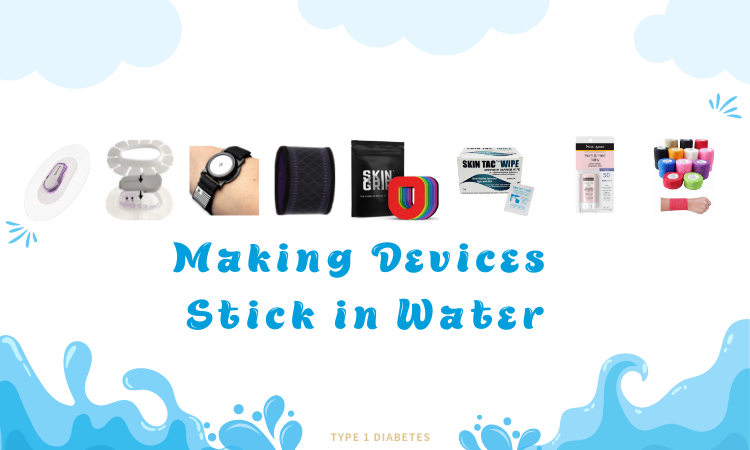
T1D Making CGMs and Pumps Stick in Water

Posted on June 13, 2023June 16, 2023 By Diabetes Amigo
T1D Making CGMs and Pumps Stick in Water
Tips

Water and Type 1 Diabetics (T1D) medical devices (Continuous Glucose Monitors [CGMs], insulin pumps and infusion sites) require special considerations for T1Ds. When adhesives patches get wet for long periods of time, the adhesive can become mailable causing the adhesive patch to more around and/or fall off. Have a relaxing and manageable day in the water (swimming, pool, lake, beach, ocean, etc.) with the right preparations for managing Type 1 Diabetes adhesives.

Overpatch / Arm Bands / Shield / Liquid Adhesive / Vet Wrap / Sunscreen

This post may contain affiliate links. Please see the affiliate disclosure for more details.

Overpatches Extra Adhesive for CGMs and Pumps

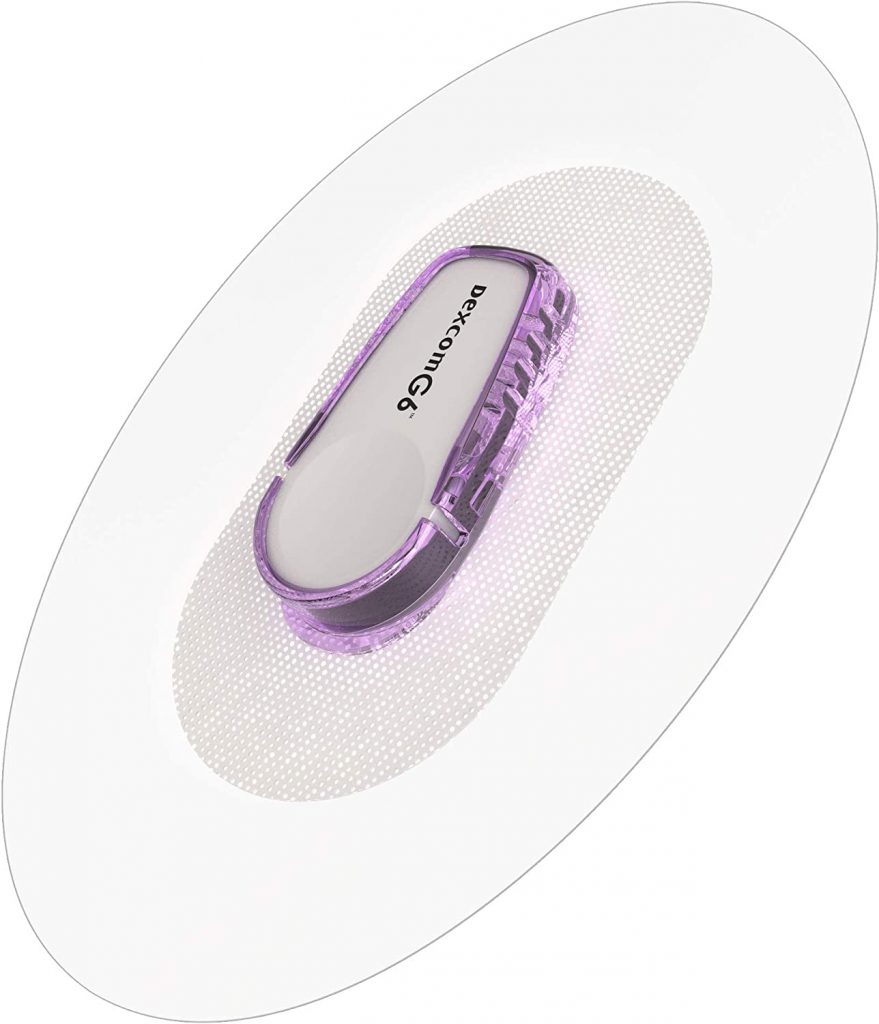
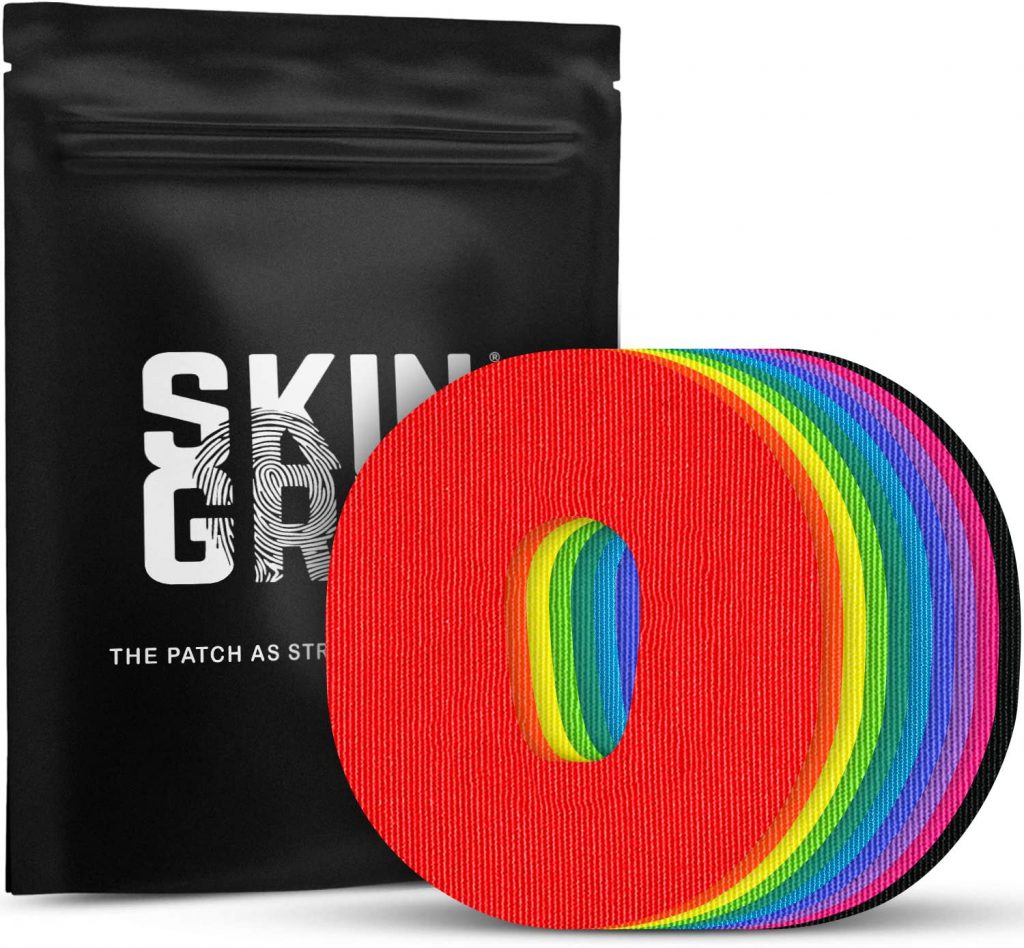
Overpatches add an extra adhesive patch over the T1D medical device’s initial patch. Overpatches are typically precut to fit the T1D device (Dexcom, Libre, Infusion site or OmniPod) but you can also make you own patches.

  • Dexcom Overpatch Options
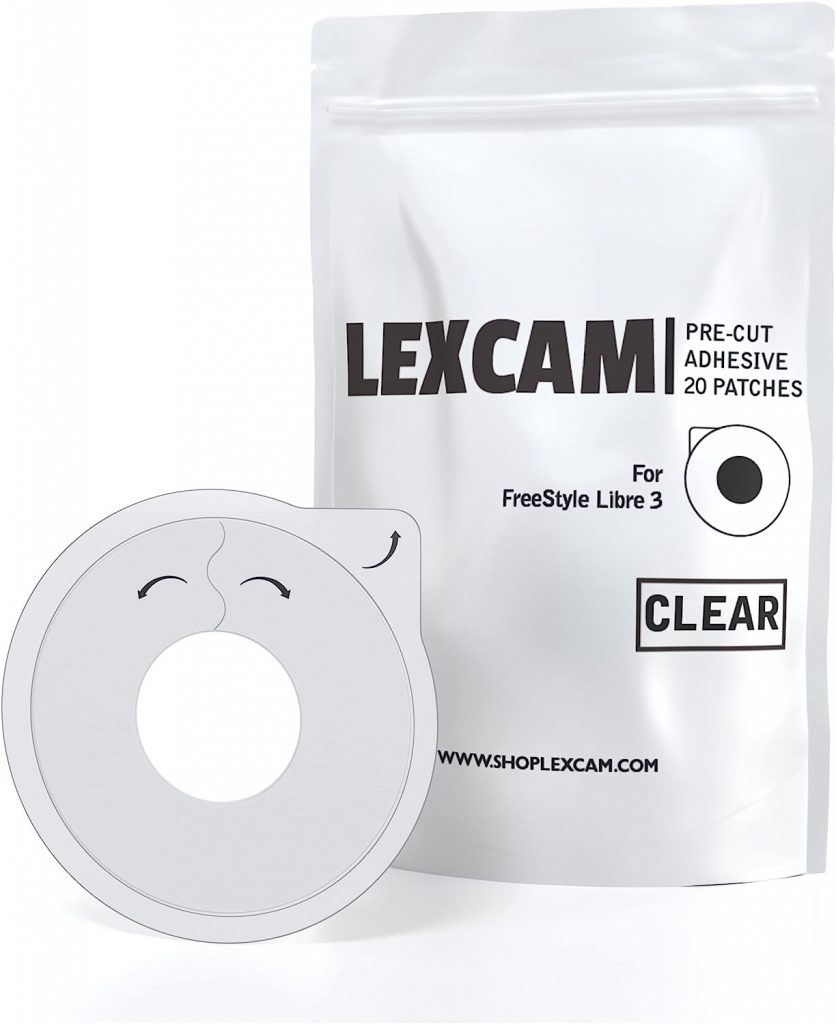
Lexcam Hypoallergenic and Latex-Free
Free Overpatches
from Dexcom
Skin Grip
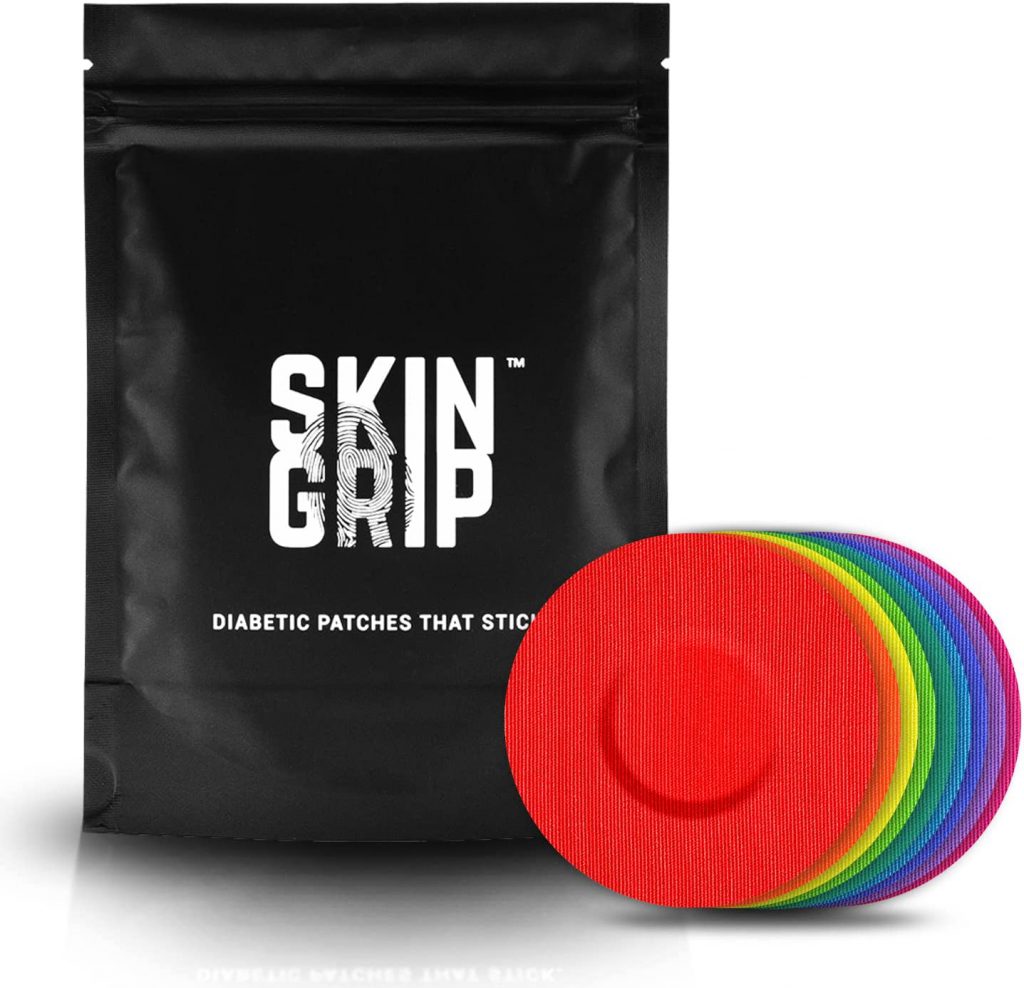
Rayon that is latex/ zinc oxide free and hypoallergenic
Expression Med
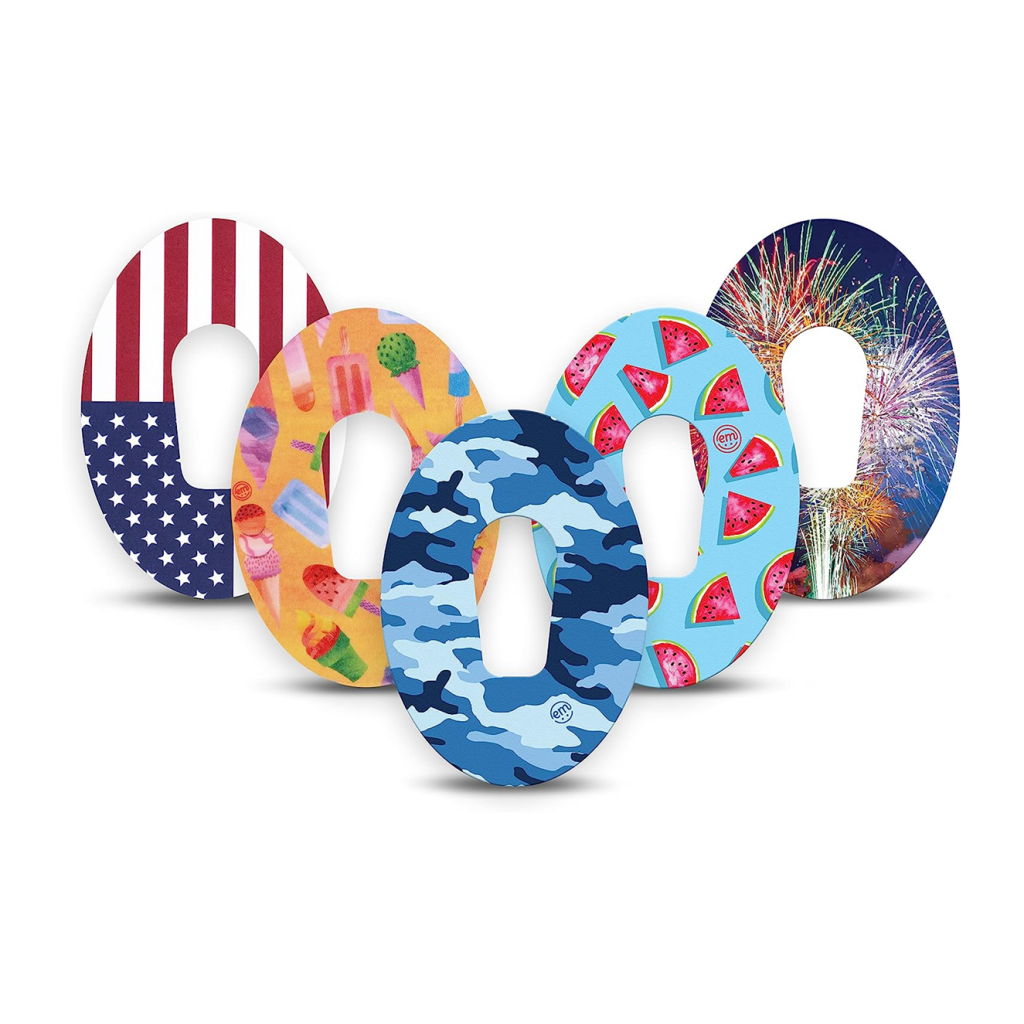
Exclusive non-woven material in many designs
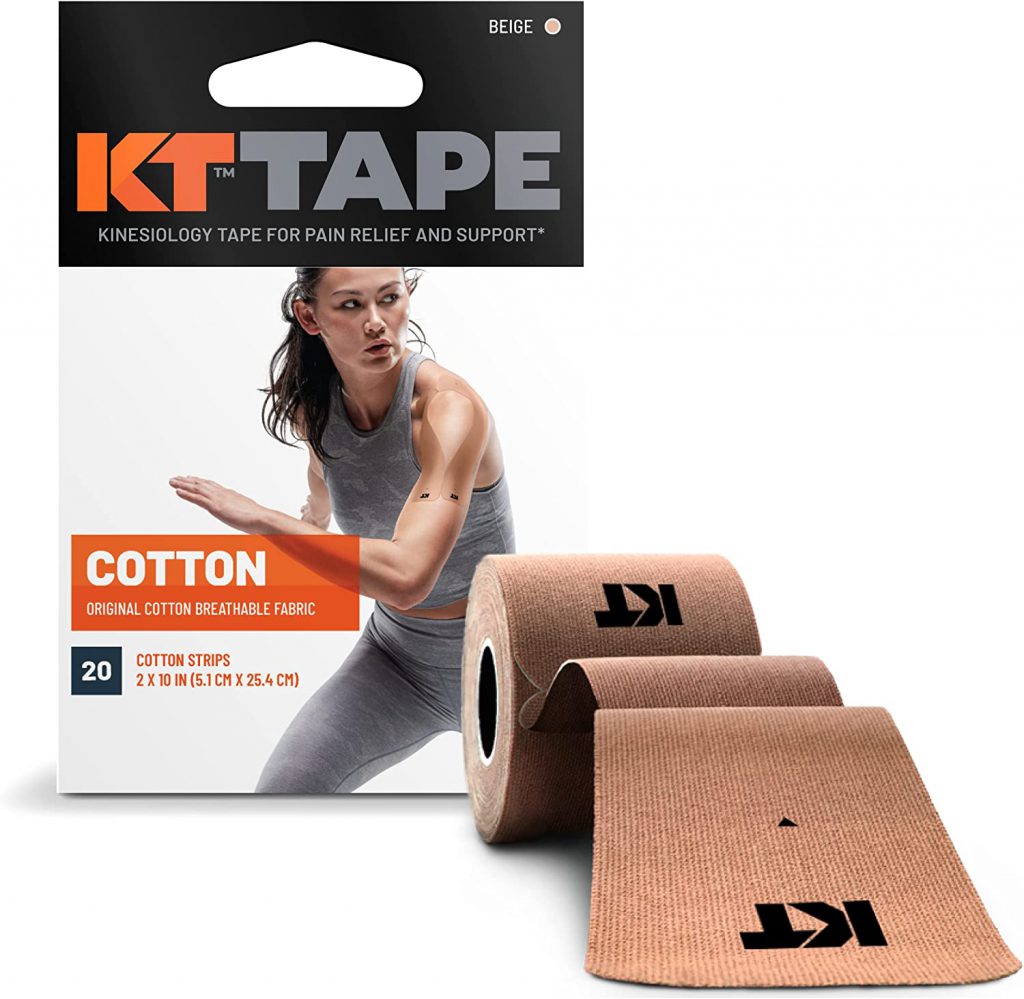
Make Your Own Patch with Athletic Tape
  • Libre Overpatch Options
Lexcam Hypoallergenic and Latex-Free
Skin Grip
Rayon that is latex/ zinc oxide free and hypoallergenic
Expression Med
Exclusive non-woven material in many designs
Make Your Own Patch with Athletic Tape
  • OmniPod Overpatch Options
Overpatches
Skin Grip
Rayon that is latex/ zinc oxide free and hypoallergenic
Expression Med
Exclusive non-woven material in many designs
Make Your Own Patch with Athletic Tape

Shields

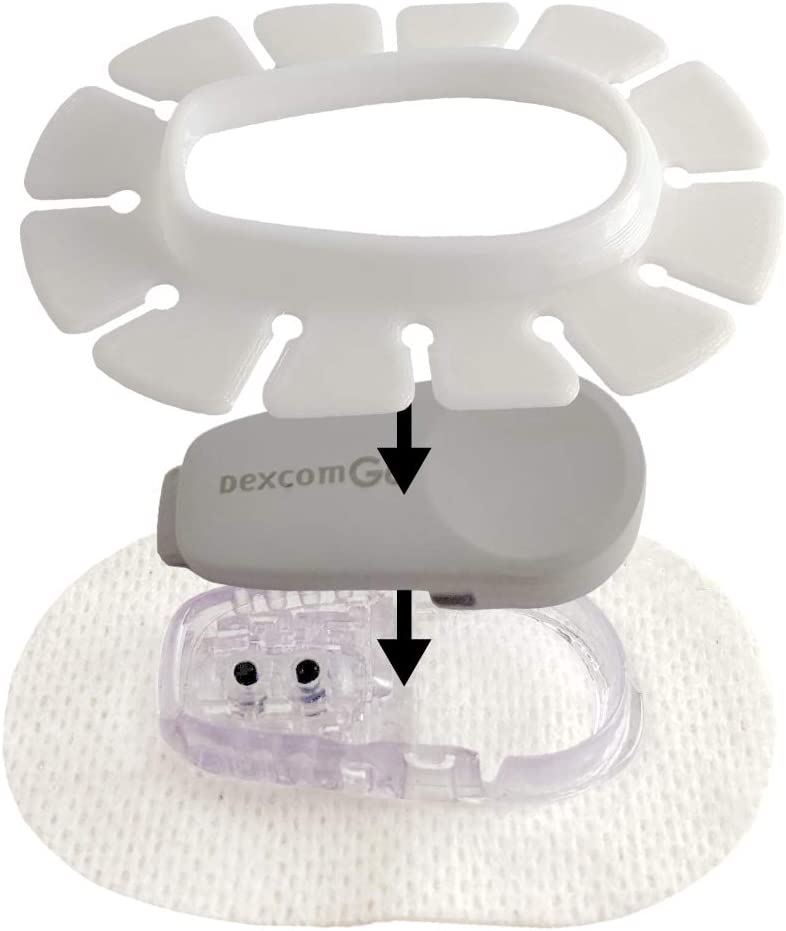
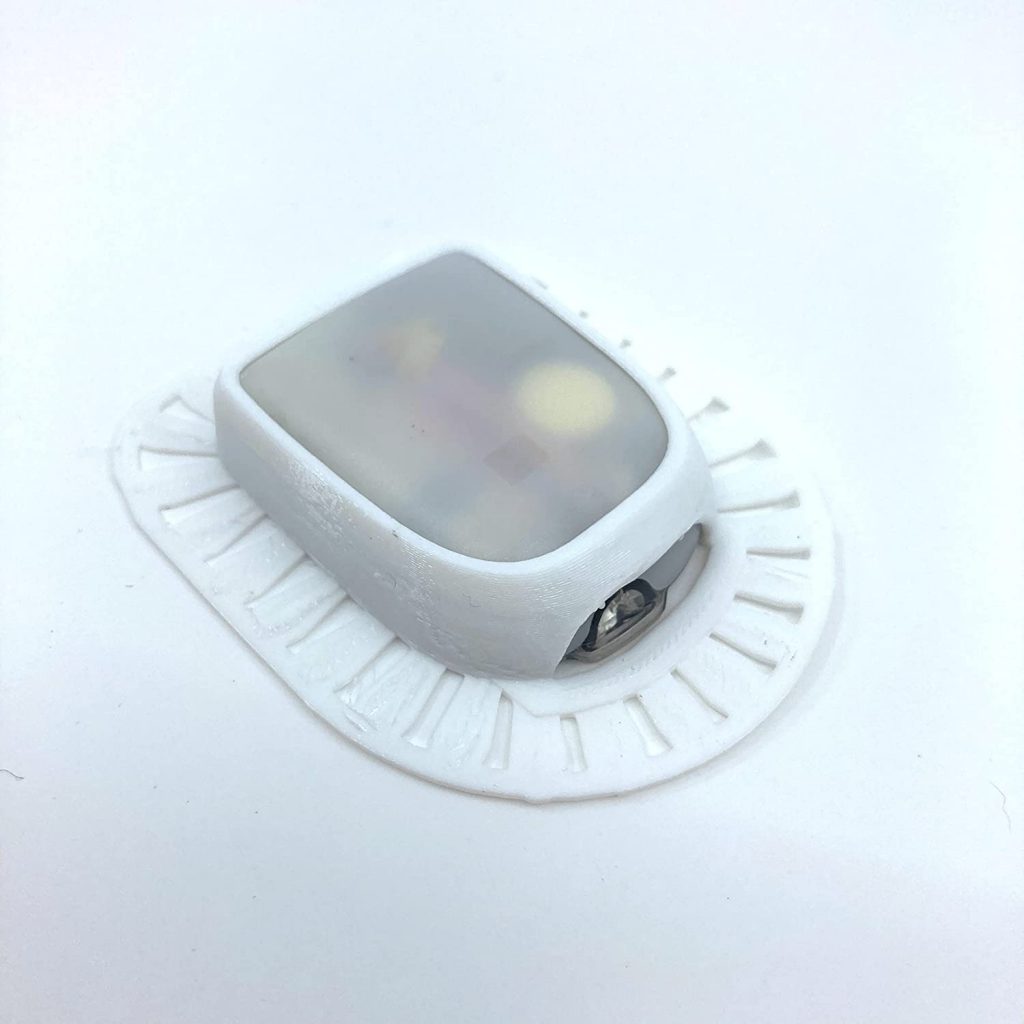
Add a shield before applying an overpatch to a T1D medical device to allow for easy removal of the overpatch. The shield protects the initial medical device’s adhesive patch when applying an overpatch. When the overpatch (applied over the shield) starts to peel at the edges, simply remove the extra overpatch without disturbing the initial adhesive patch.

Dexcom Shield
OmniPod Shield
Libre Shield

Arm Bands

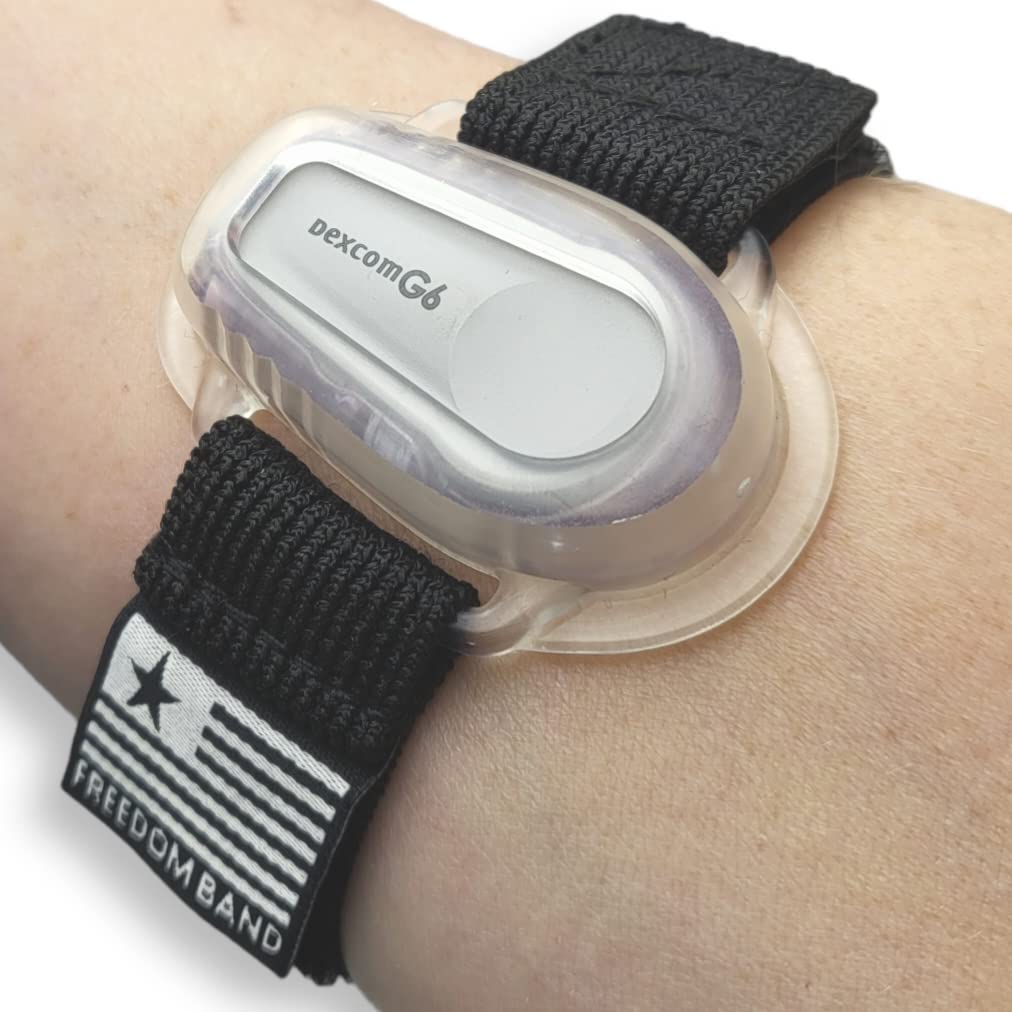
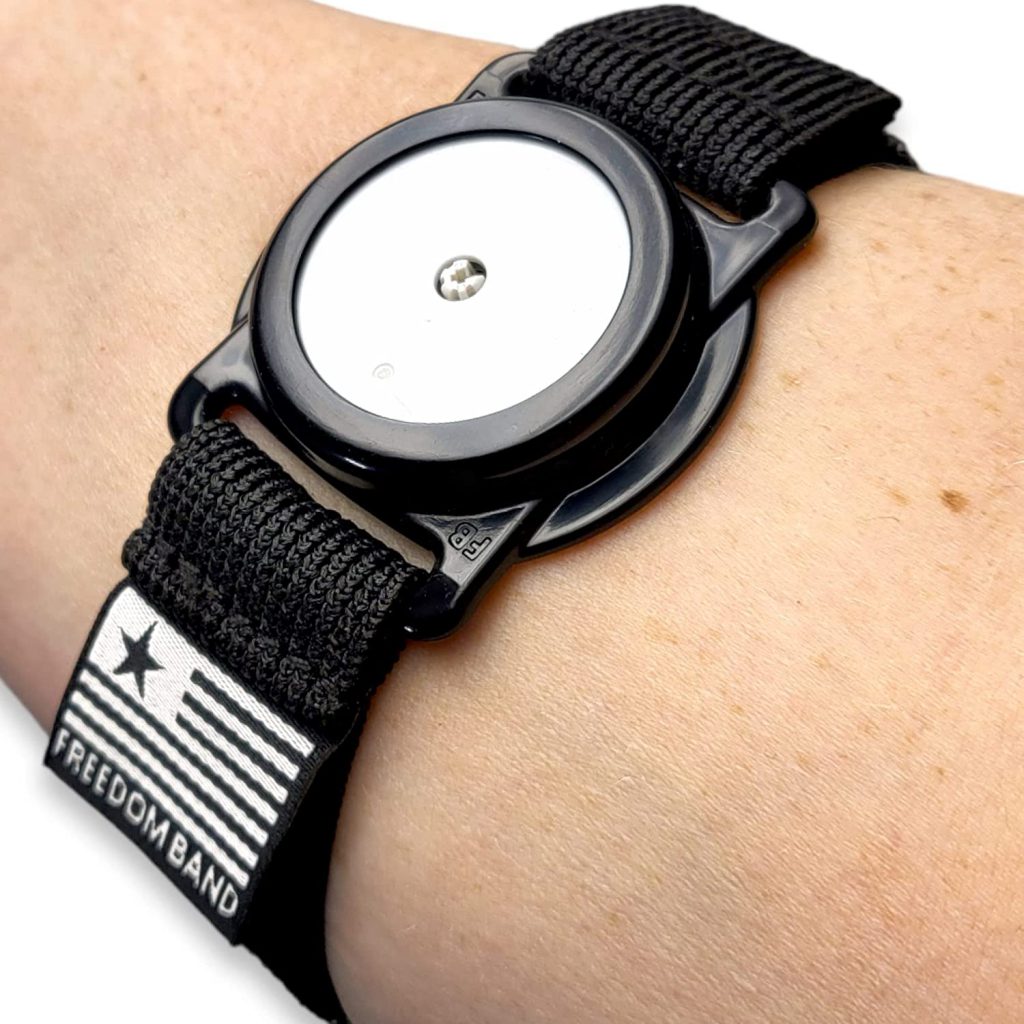
Arm bands can worn over T1D medical device’s initial patch or be used in addition to overpatches. Adding an arm band over a T1D medical device while in water and then wearing it until the adhesive patch dries, helps keep the adhesive in place. Use a device specific arm band (Dexcom, Libre or Omnipod) or general compression band over all devices.

Dexcom Arm Band
Libre Arm Band
OmniPod Arm Band
Compression Arm Band

Liquid Adhesive

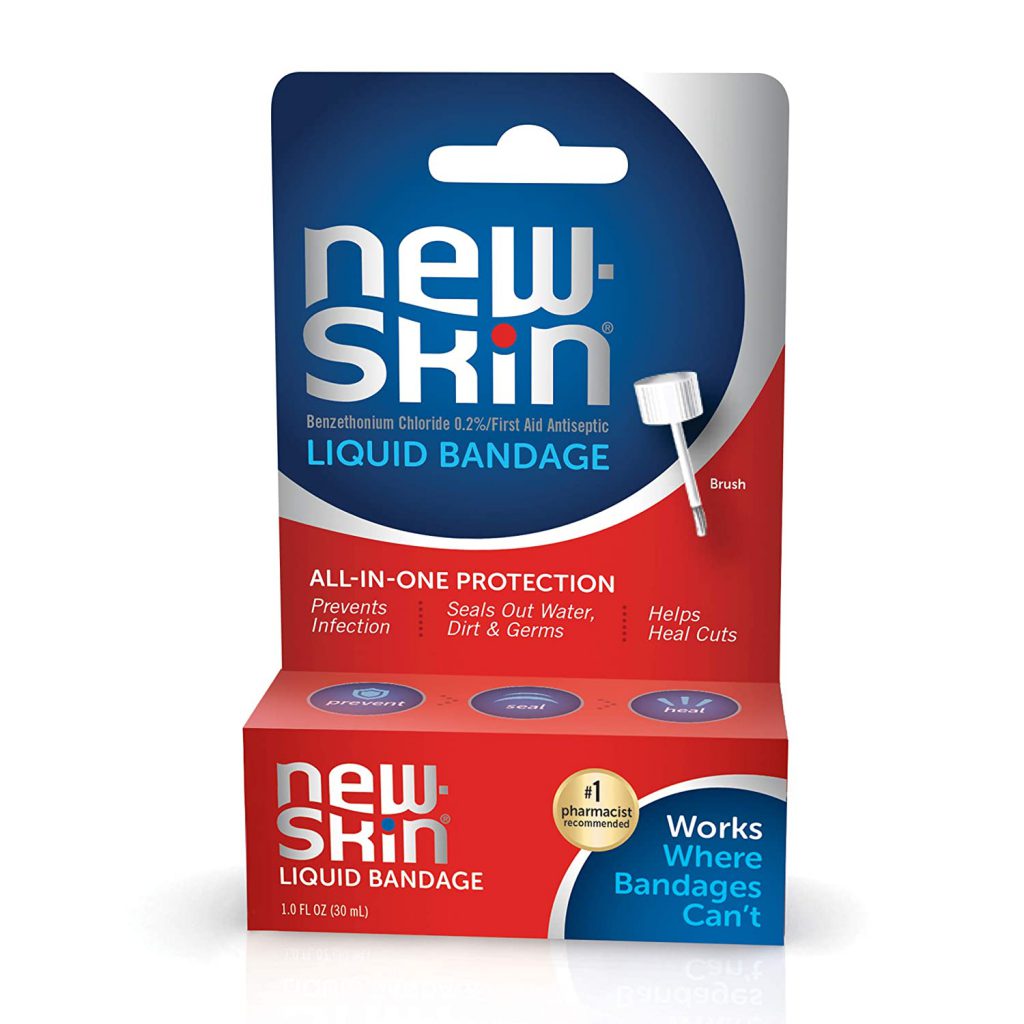
Adding an adhesive barrier before applying a T1D medical device (Dexcom, Libre, Infusion Site, OmniPod) provides extra adhesive to the initial adhesive. A second layer of liquid adhesive on top of the adhesive patch provides even more sticking power. Further, apply liquid bandage to edges of an adhesive patch that starts to peel-up from daily wear-and-tear from being in water.

Skin Tac Liquid Adhesive
Skin Tac Wipe
New Skin Liquid Bandage

Adhesive Bandage Wrap

Adhesive Bandage Wrap (a.k.a. vet wrap) comes in various colors and sizes to wrap over T1D medical devices. Vet wrap works like a compression band but is much easier to remove and dries faster. Vet wrap can shrink when going from dry-wet-dry again. It is important to check the tightness of the wrap throughout the day on young kids.

Vet Wrap for CGMs

Sunscreen

Keep your skin protected even at indoor pools. Sunburns can cause high blood glucose levels and ruin your fun. When applying sunscreen stay clear of the medical device’s adhesive patches (sunscreen can make the adhesive malleable and device will just slide off) and OmniPod insulin pumps (sunscreen causes pods to crack/leak). Consider using a sunscreen stick or solar buddy to apply sunscreen safely around adhesive patches.

Sunscreen Stick
Solar Buddy

Skiing and Winter Sports with Type 1 Diabetes

Posted on April 4, 2022September 28, 2025 By Diabetes Amigo
Skiing and Winter Sports with Type 1 Diabetes
Day-to-Day T1D

Hitting the slopes to ski or playing in snow requires a few considerations with Type 1 Diabetes.

Blood Sugars / Supply Bag / ID / Lifts / Hydration / Gear / Communication / Organizations

This post may contain affiliate links. Please see the affiliate disclosure for more details.

Blood Sugars on the Slopes and in Snow

Every Type 1 Diabetic responds differently to cold weather, altitude, and exercise on the slopes/snow. Be prepared for hypoglycemic (low), hyperglycemic (high) or blood sugars that stay in-range. Make adjustments to basal or I:C ratios based on your body and how it responds to exercise.
Before our first trip to the snow, I read many posts about kids going low in snow/cold. I decreased basal and gave uncovered carbs before hitting the slopes. Well…my kiddo stays completely in range while skiing and in cold weather. No changes to basal or I:C ratios are necessary and I spent 3 hours correcting high blood sugars. Every diabetic responds differently to snow/cold. Be prepared to with the right tools to manage blood sugars:

  • Lows
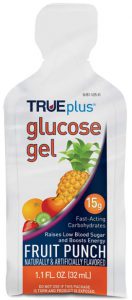
    • Ski jackets and ski pants typically have many pockets that are prefect for storing low treatments. Place you favorite fasting acting sugar low treatment in several pockets (glucose gel, hard candy and honey packs don’t freeze). Also include low treatments that help stabilize blood sugars (i.e., protein granola bar).
    • Consider keeping cash (coins and/or dollar bills for vending machines) in your pocket in case you need to purchase sugar to raise blood glucose levels.
Honey Minis
Gel
Protein Bars
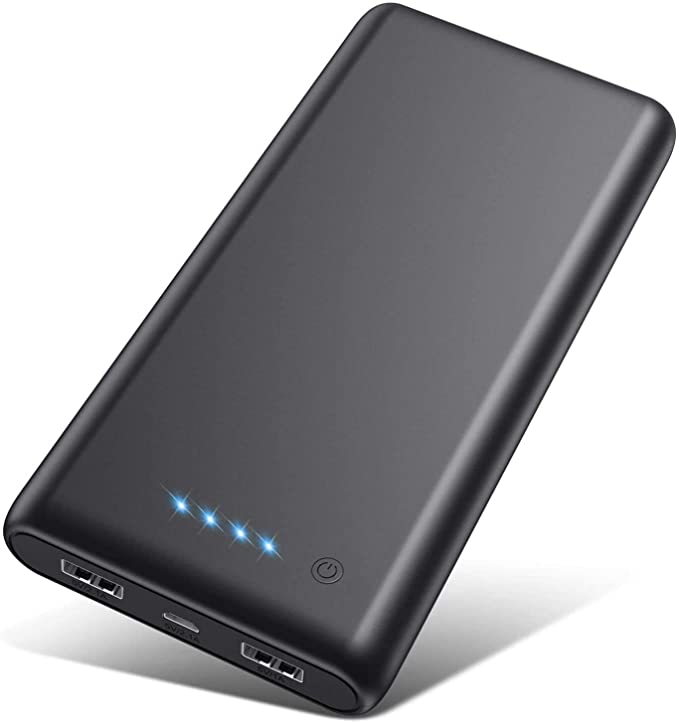
  • Power Bank
    • If using a CGM, consider having a backup phone charger/power bank. During intense exercise we find that we are checking numbers more often which can drain device batteries faster than normal.
Backup Phone Charger/Power Bank
  • Pumps
    • Altitude can affect blood sugars and insulin pump functionality. Read your pump’s manual for high altitude considerations.
  • Altitude
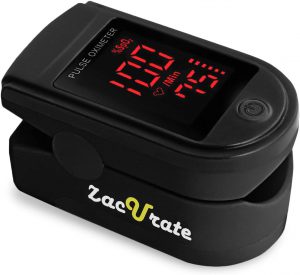
    • To avoid altitude sickness, stay hydrated and check oxygen levels. We keep an oximeter and cans of oxygen in our travel bag/sick day kit.

Oximeter Oxygen Saturation Monitor

Supplemental Oxygen

Daily Diabetic Supply Bag and Medical Devices

Type 1 Diabetic supplies don’t work well in extreme temperatures. Insulin, batteries, pumps, and phones can freeze during a day of skiing. A couple of options for your daily diabetic supplies and medical devices:

  • Lockers – most ski resorts offer indoor lockers for storing personal items. If you are at a small ski resort and can quickly get to your supplies, lockers are a great option for storing your T1D supplies. If skiing at a larger ski resort, keep in mind it could take over an hour to ski across the resort get back to your supplies in a locker.
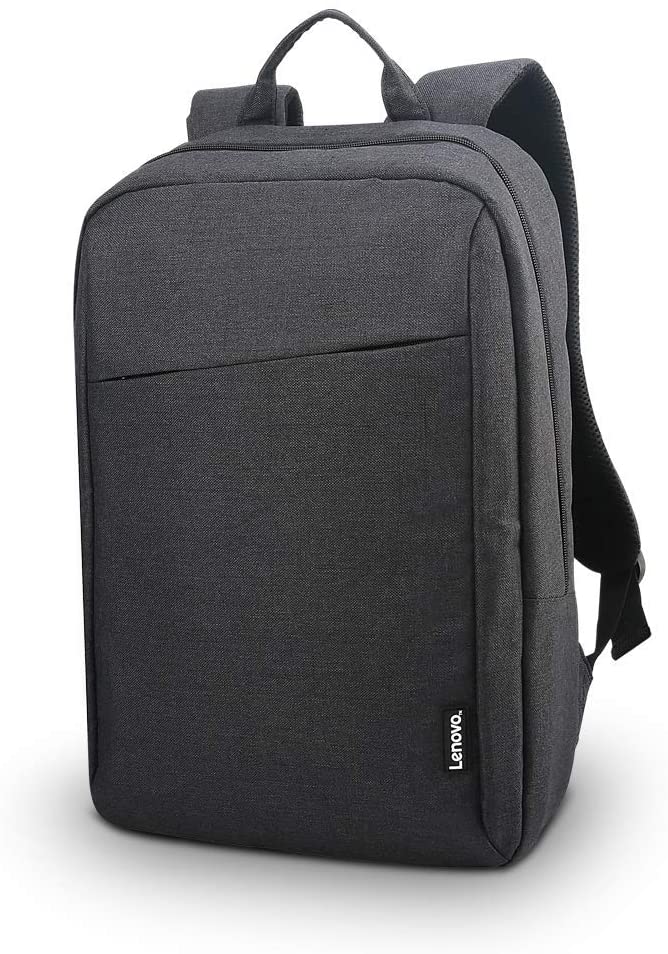
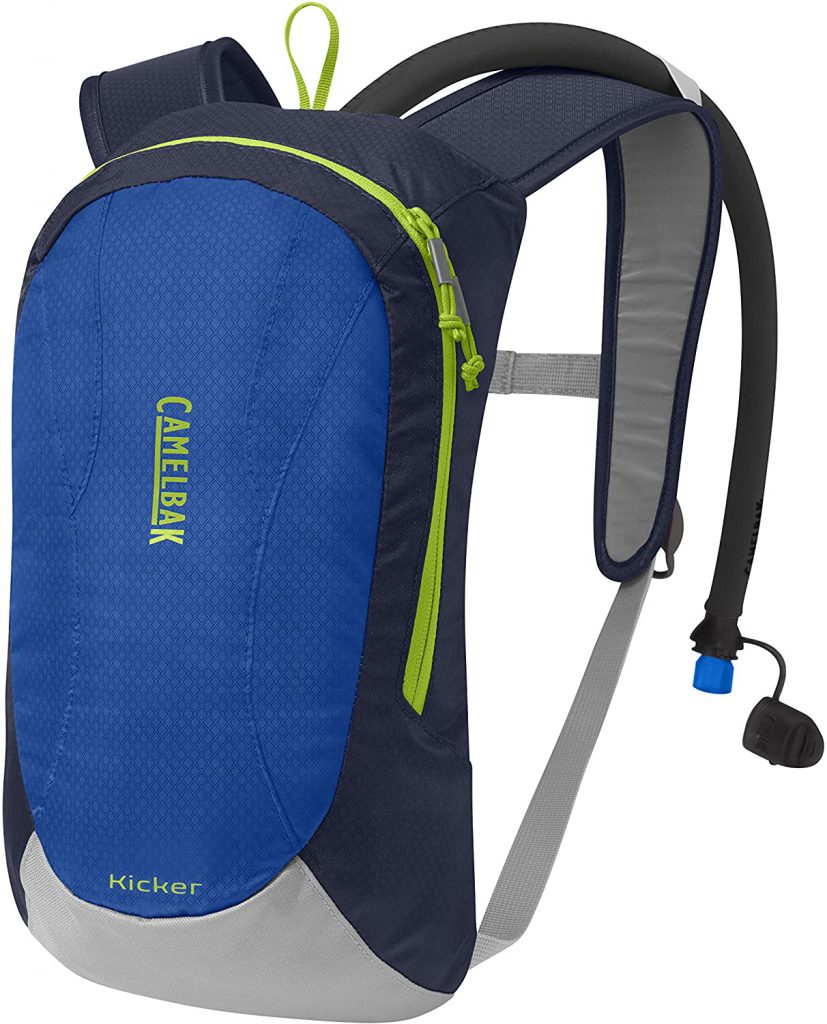
  • Backpack – a small, slim and streamlined backpack works best for keeping your supplies handy.
    • Place the diabetic supply bag inside the backpack closest to your body for warmth.
    • In extreme cold weather, the backpack can be worn under your ski jacket.
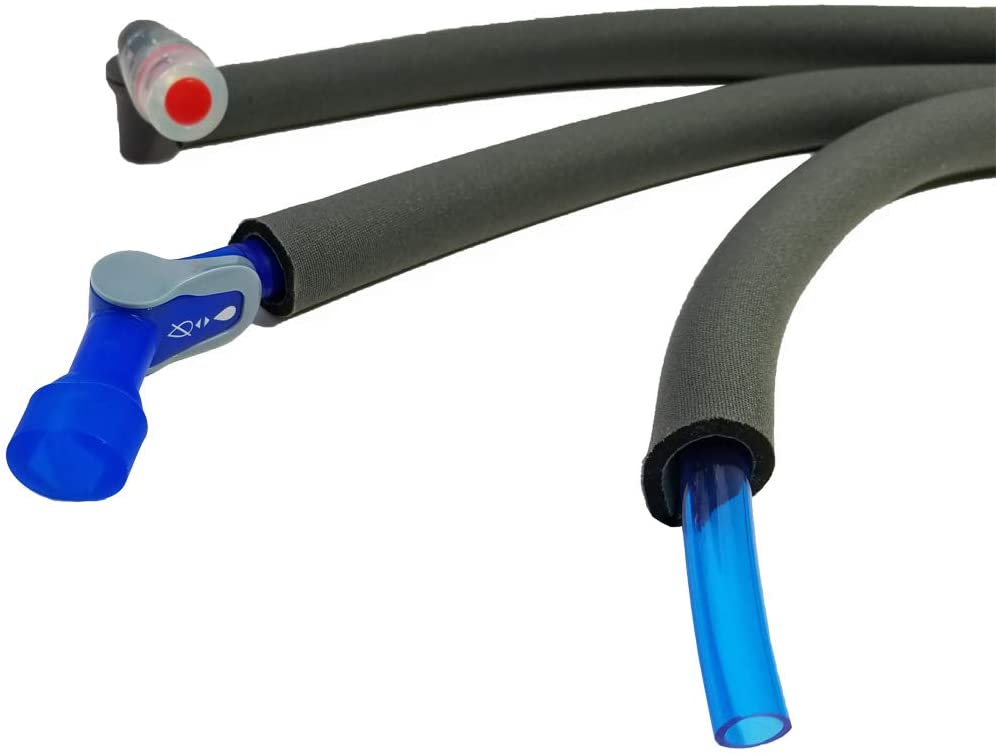
    • A backpack with a hydration pack/bladder for water is great for staying hydrated (hydration is necessary for Continuous Glucose Monitors [CGMs] accuracy). A neoprene cover is necessary to keep the water from freezing in the drinking tube.
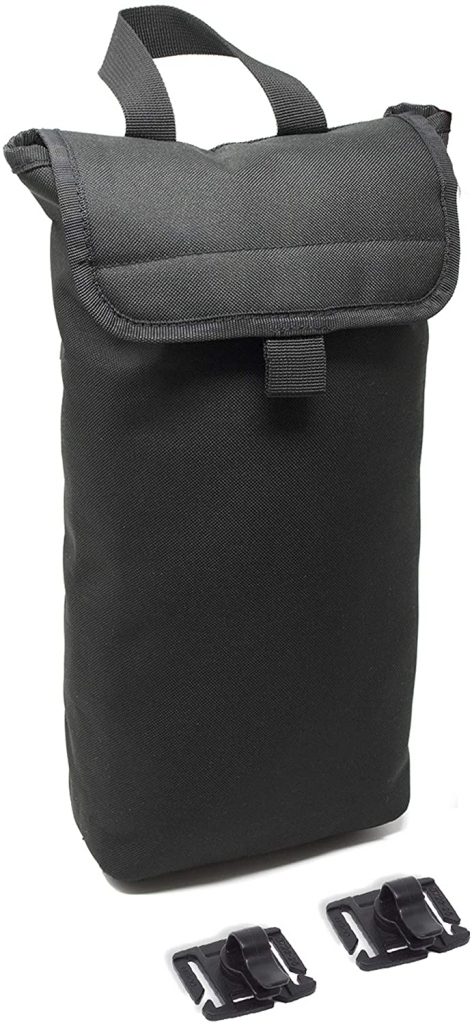
    • If using a hydration pack, consider a insulated bag the shape of the backpack for storing diabetic supplies to keep the backpack compact.
Ski Camelbak
Streamlined Backpack
Insulation pack
Neoprene Straw Cover
  • Pockets – if you prefer not to wear a backpack, ski gear has tons of pockets for storing your diabetic supplies. A ski jacket with inside zippered/Velcro pockets works best for storing T1D supplies.
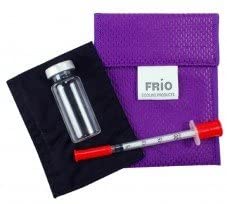
  • Insulin – protect a vial or pen of insulin from freezing by adding a sleeve (un-hydrated Frio bag or a neoprene sleeve).
FRIO Bag
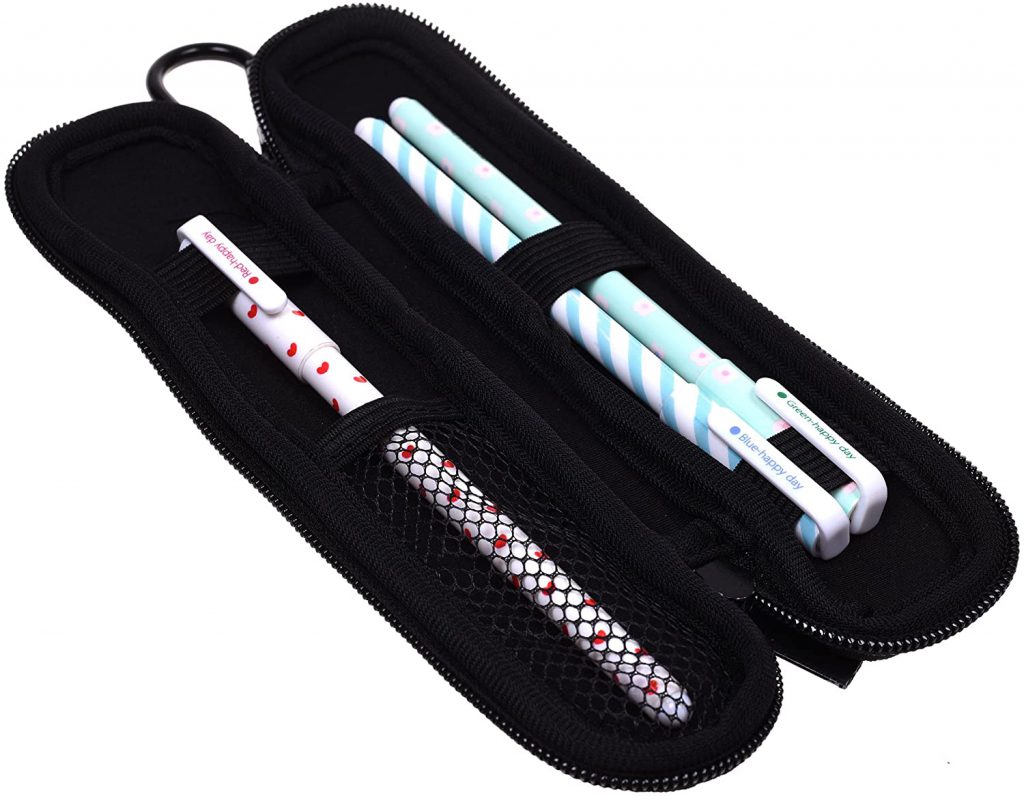
Neoprene Pen Sleeve
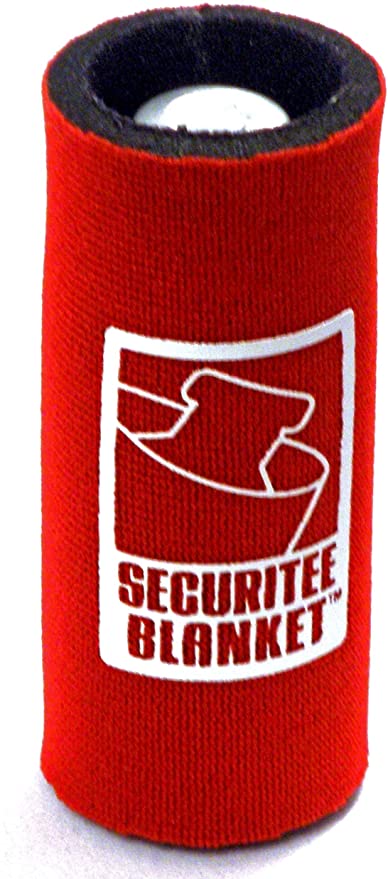
Neoprene Vial Sleeve
  • Pumps – keep tubed pump tubing close to your skin to prevent it from freezing and tubeless pumps (OmniPod) typically does not need special considerations.
  • Phones, Batteries and Devices – if your glucose meter or phone start to have issues in the cold weather, consider using body heat to defrost (placing the device in your armpit and then pressing your arm against your body works well).
  • Medical Devices – bring spare CGM and pump supplies to the ski resort and store them in a locker or in your car.

Medical Identification

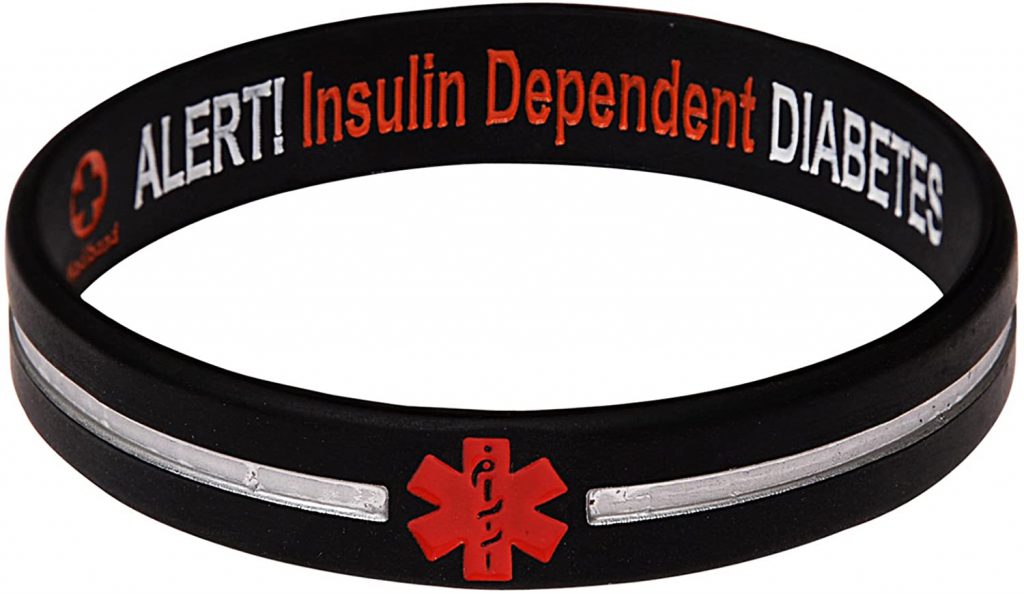
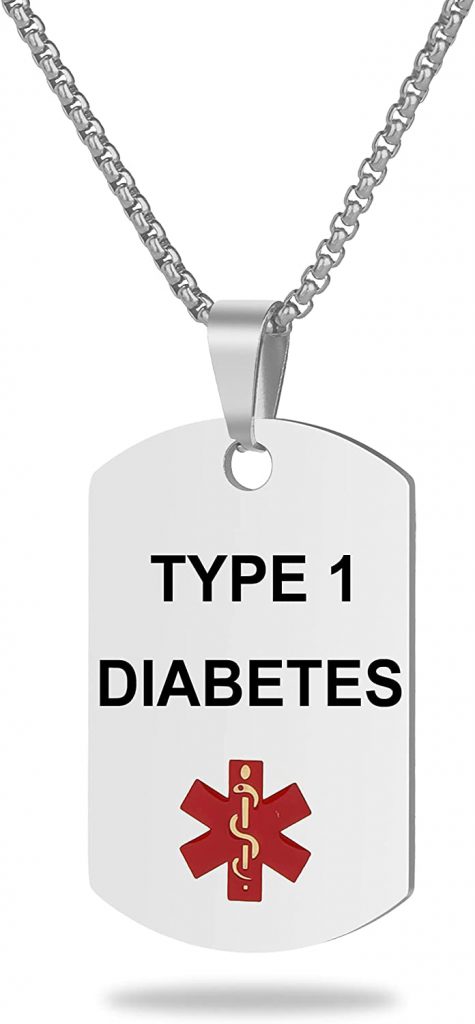
Wear your Medical ID bracelet or necklace that clearly denotes Type 1 Diabetes. In addition to a medical bracelet/necklace:

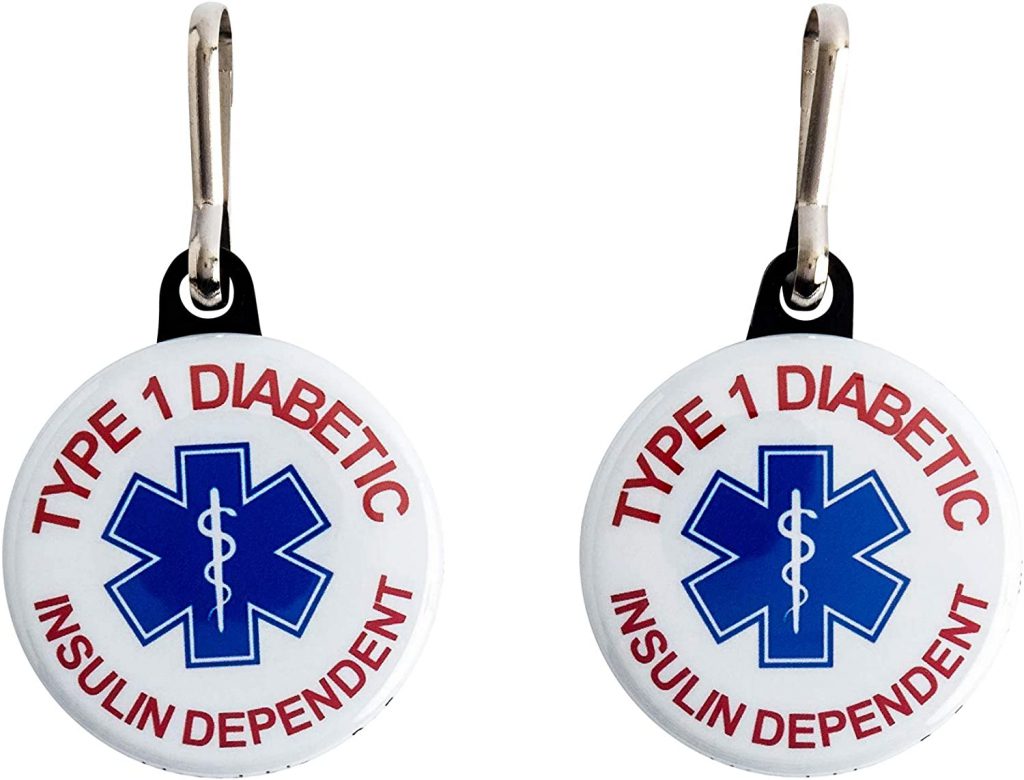
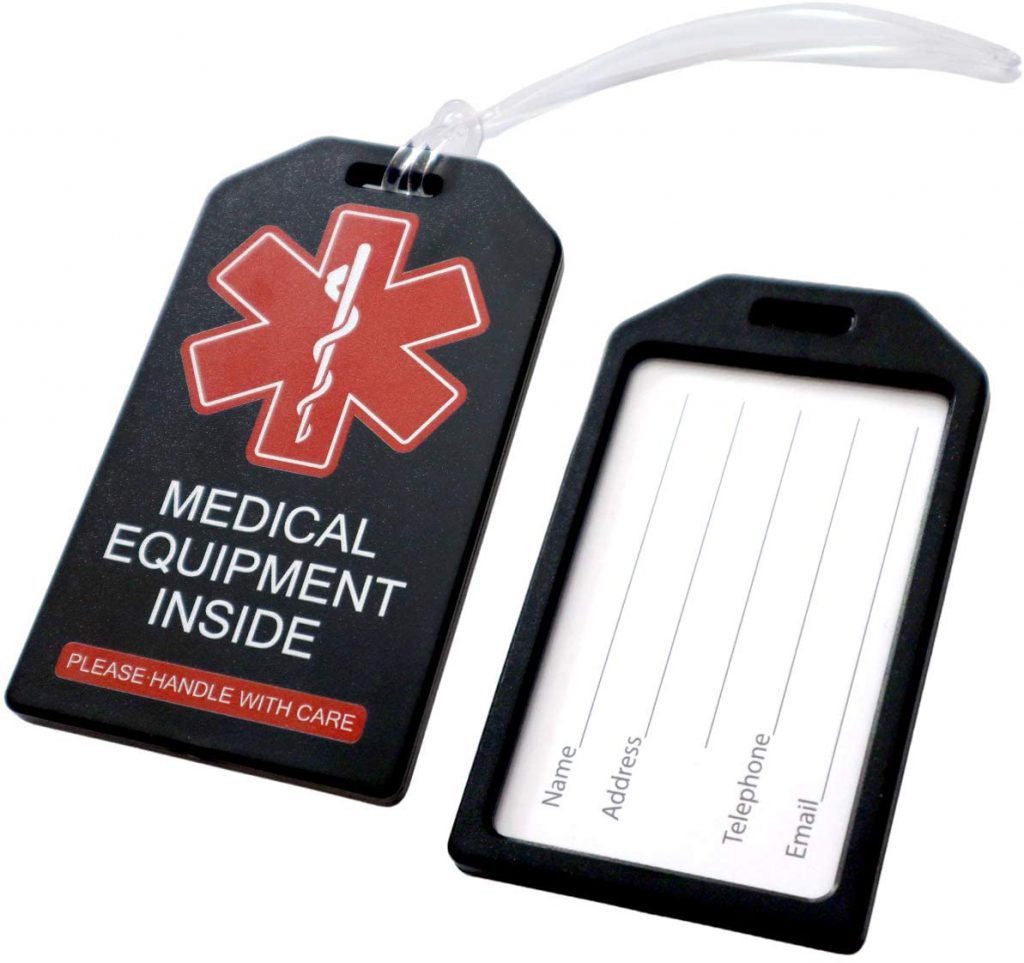
  • Tags – a T1D tag on your ski jacket zipper pull or backpack is also a great way to identify as Type 1 Diabetic.
Zipper Pull
Medical ID Bracelet
Medical Necklace
Backpack Tag
  • Ski Pass or Ski Ticket – use the back of pass to communicate emergency contact information and Type 1 Diabetic Insulin Dependent (we use a colorful sticker). It is not guaranteed that Ski Patrol will check your ski pass, but this additional identification could be helpful in an emergency.
  • Contact Ski Patrol and/or the ski resort – inform the resort that a Type 1 Diabetic is skiing the mountain. Most ski resorts have email and/or social media accounts. In your communication include:
    • For kids, take a picture in full ski gear and another without the gear.
    • Signs of low blood sugar flyer as a quick training on T1D. Also note that a T1D with a low blood sugar can appear drunk (helpful note to include for teenagers).

Lifts

Check your CGM or periodically manually test your BG before getting on a lift. Fumbling with phones, glucose meters, low supplies and/or a backpack on the lift is not ideal. On a lift, supplies could drop to the ground when taken out. Most areas under a lift are not accessible, making retrieval of dropped items difficult.

Hydration

Skiing is an intense sport done typically at high altitude which puts T1Ds at greater risk of dehydration. Be mindful of the water consumption while on the slopes. CGM performance could also be hindered if you are not hydrated.

  • To stay hydrated consider wearing a backpack with a hydration pack/bladder. A neoprene cover for the tubing is necessary to keep the water from freezing.
Ski Camelbak
Neoprene Straw Cover

Gear

Ski jackets and pants typically have lots of pockets with zippers/Velcro closures that keep supplies easily accessible. Some other ski gear that works well to for T1Ds:

  • Bright Gear – for kids buy the brightest gear you can find. Everyone wears black and to quickly find your kid a white helmet or bright jacket/pants is easier to spot on the slopes. Ebay, Costco and Kohls are affordable sites to find ski gear.
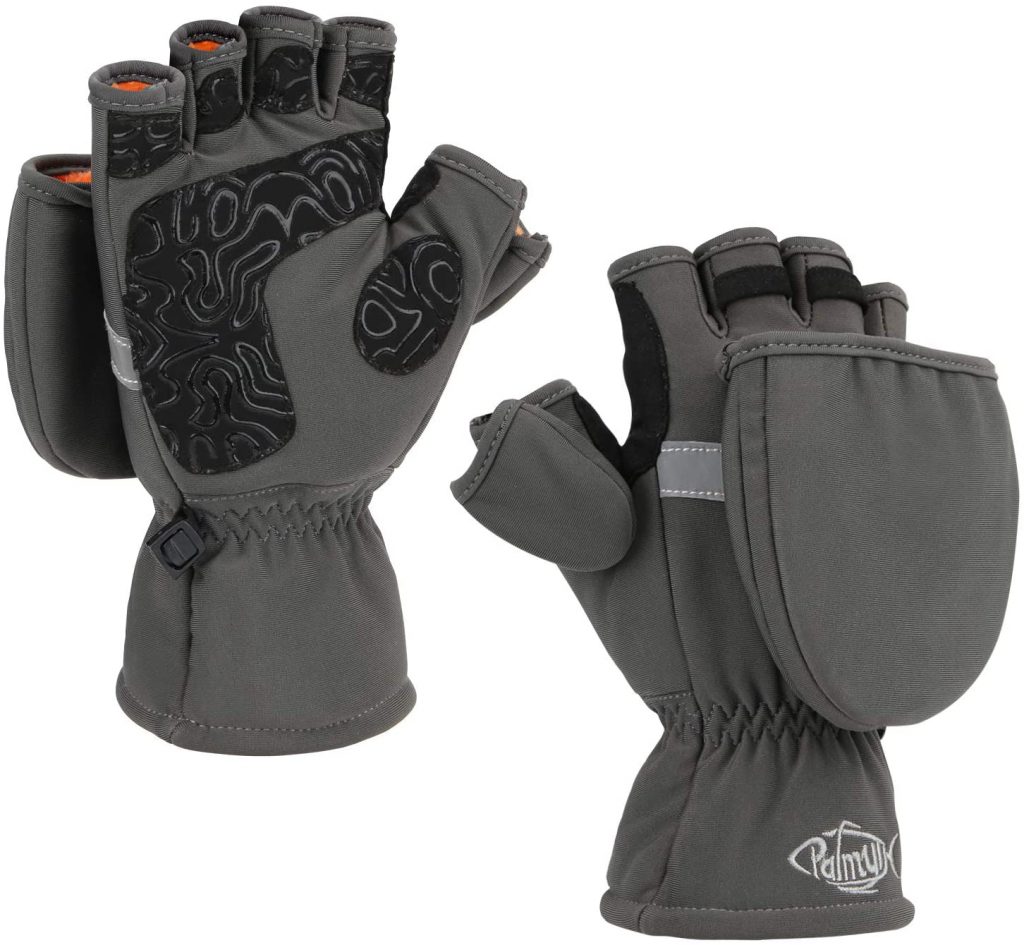
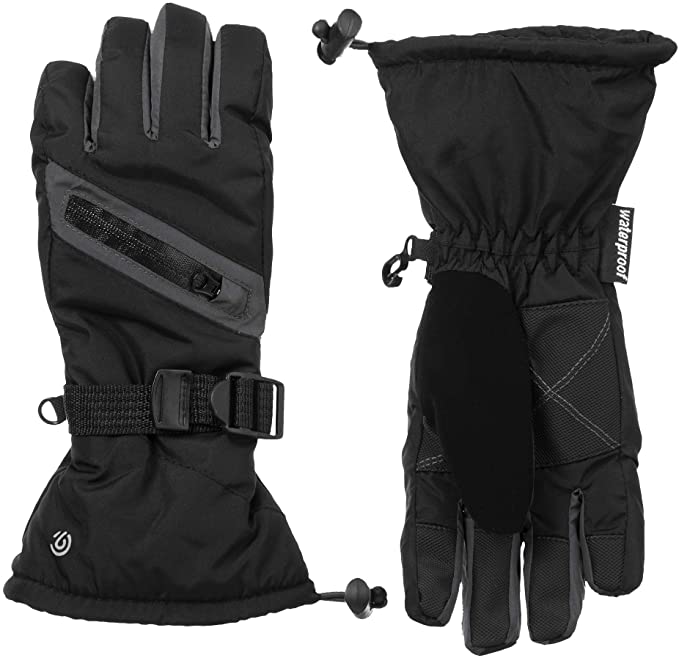
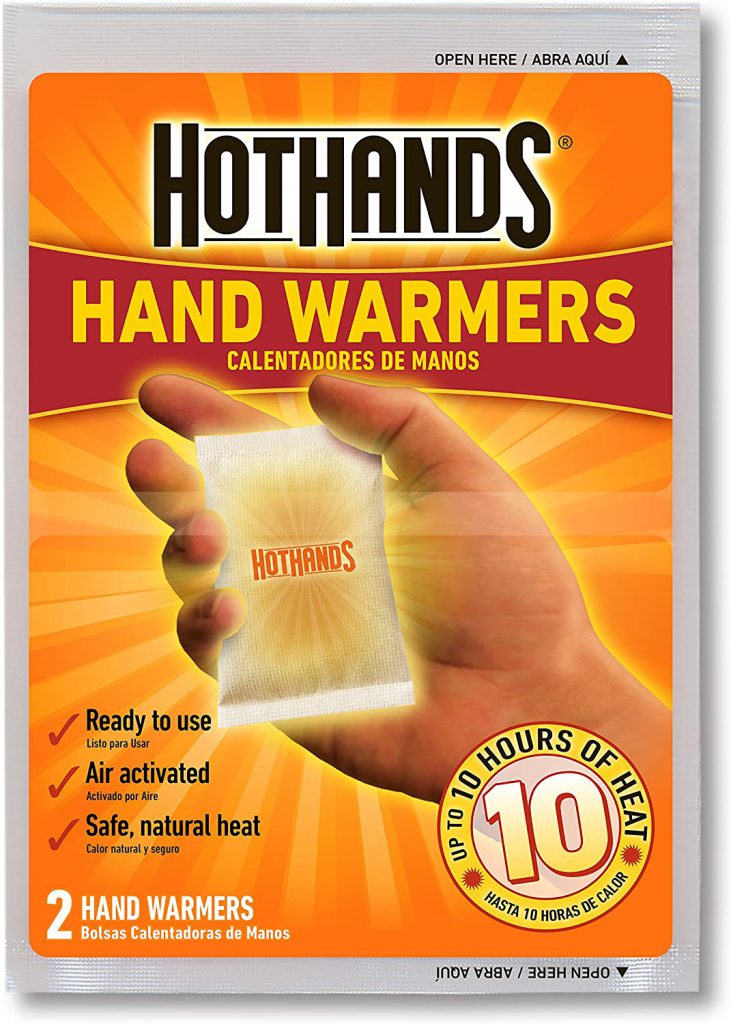
  • Gloves – gloves with pockets works well for low supplies and/or for hand warmer inserts. Also, convertible gloves allow easy access to fingers for bg testing.
Convertible Gloves
Kid’s Gloves with Pocket
Hand Warmers
Bright Ski Gear

Have a Communication Plan

We typically ski as a family, but my kids are fast going down the slopes! In case we get separated, we talk every morning about the “communication plan” that includes what to do when there is no cell service.

  • For kids, write your name number on the back of their ski pass/ticket and/or inside their jacket (most kid ski jackets have a name label).
  • Determine a meeting place that serves as “home base” and instruct kids to stay in that location until found. If unable to get back to “home base,” we ask our kiddos to go to the nearest lift operator and inform the operator that they are lost.
  • For kids, daily take a picture in full ski gear and another without the gear.
  • Consider adding In Case of Emergency (ICE) settings to your phone.

Skiing Organizations for Type 1

Riding On Insulin – organization that empowers, activates and connects the global diabetes community through shared experience and action sports. 

Tips for Measuring Food for Carb Counts

Posted on April 20, 2021January 4, 2022 By Diabetes Amigo
Tips for Measuring Food for Carb Counts
Day-to-Day T1D

Every carbohydrate counts for my child’s blood sugar to stay in range. Detailed are tips for measuring carbohydrates to obtain accurate carbohydrate counts.

Types of Measuring Cups / How to Measure / Measuring on the Go

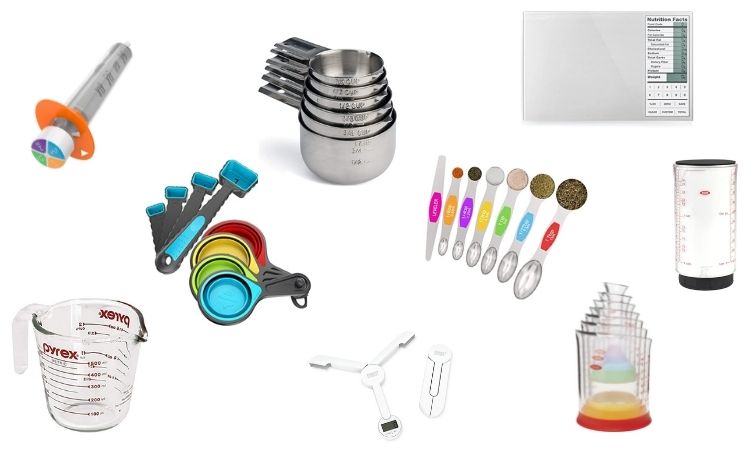
Types of Measuring Cups

It is important to use the right measuring tool to accurately measure ingredients to get an accurate carb count. The type of measuring tool used is based on if the ingredient is wet or dry. If a wet measuring cup is used to measure dry ingredients the measurement will be incorrect and might result in an undesired blood sugar high/low.

  • Wet – used to measure liquids. Measure items like juice, milk, or applesauce.
    • Pyrex set
  • Beaker – works great when measuring smaller liquid/wet amounts. Measure items like maple syrup, juice, or honey.
    • Nesting beakers
  • Sticky – perfect for measuring liquids that are more solid. Measure items like peanut butter, yogurt or honey.
    • Sticky measuring cup
  • Oral Syringe – helpful when measuring precise amounts of a wet ingredient to avoid over-treating a low. Also helpful for dispensing liquids into a sleeping child’s mouth. Measure items like maple syrup, juice, or cake gel.
    • Oral syringe
  • Dry – used to measure dry/non-liquid ingredients. Measure items like cereal, dried fruit, or nuts.
    • Dry measuring cups
    • Collapsing dry measuring cups
  • Measuring Spoons – smaller measuring tool that can measure wet or dry ingredients. Measure items like sugar, maple syrup, or glucose powder.
    • Measuring magnetic spoons
    • Collapsing measuring spoons
  • Food Scale – a food scale measures wet, dry or hard to measure ingredients. A food scale is helpful for measuring foods that do not fit perfectly into measuring tools. Most scales measure in ounces or grams and have a tare feature. The tare feature allows for subtracting the weight of the container holding the wet/dry ingredient. Also, look for a digital scale that has food codes for carb counts on common foods based on weight.
    • Perfect portions food scale
    • Smart food scale

How to Measure Carbs

  • Wet Ingredients – using a flat surface, add the liquid to the desired measure marking. Wait for the liquid to stay still, move your eyes to the same level as the measuring cup and make sure liquid level is at the desired mark (align the bottom of the curved surface [called a meniscus] with the markings on the measuring cup).
  • Dry Ingredients – spoon/scoop ingredients into the measuring cup. Level off the top of the measuring cup with the back of a knife or other flat surface.
  • Measuring Spoons – scoop ingredients into the measuring spoon. Level off the top of the measuring spoon with the back of a knife or other flat surface.
  • Food Scale – every scale is different so refer to your scale’s manual. Most scales:
    1. Turn on the scale.
    2. Choose the gram or ounces option (look at the food’s nutritional label to determine which option to choose).
    3. If using a container place the cup/bowl/plate on the scale and tare the weight of the container.
    4. Place/pour/scoop/spoon the ingredient into the container or place the food directly on the scale.
    5. Calculate the carbohydrates based on the weight of the food item and the nutritional label serving size information.

Measuring Carbs when Traveling

Products that I have found that work best when traveling to count carbs:

  • Folding food scale
  • Collapsible measuring cups/spoons
  • Water bottle with ounce markings
  • Calorie King book provides carb counts for most food items including restaurants/fast food

Avoiding OmniPod Static Failures

Posted on February 24, 2021January 5, 2022 By Diabetes Amigo
Avoiding OmniPod Static Failures
Day-to-Day T1D

This post may contain affiliate links. Please see the affiliate disclosure for more details.

Static interfering with the performance of medical devices is frustrating and annoying. If an OmniPod pod is zapped with static it may result in a pod failure and cause the pod to alarm (referred to as a “screaming pod”). Detailed are ideas to help eliminate static failures.

Detecting Static Failures / Avoiding Static Tips / Products

Detecting Static Failures

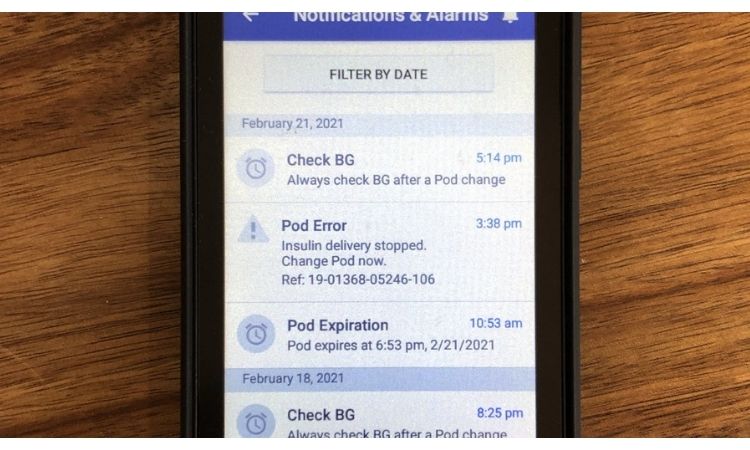
A pod that alarms and fails, keeps a reference of the failure in PDM settings. To determine if your pod failed due to static is achieved by calling OmniPod and providing the reference number of the failure to a Customer Care Representative. Keep in mind that OmniPod replaces failed pods free of charge (and will reimburse you for the cost of lost insulin).

To locate the reference code on the OmniPod Dash PDM, from the main menu choose the Notifications & Alarms menu option. Scroll to find the pod alarm notification with the reference code.

Avoiding Static Failures

  • Fabric Choices – Cotton clothes are a better choice to avoid static. Try to wear cotton closest to the device/skin and then layer with other fabrics. Fabrics like fleece, wool, nylon, synthetic and polyester attract static.
  • Static Guard Spray – Spray anti-static spray on clothing to help prevent static. Can also be sprayed on slides and other outdoor toys to eliminate static. You can make your own spray using equal parts liquid fabric softener and water in a spray bottle.
    • Static guard spray
    • Spray bottle
    • Liquid fabric softener
  • Duct Tape – Cover an entire pod with duct tape. Consider buying tape that has preprinted colors, designs and cartoon characters to decorate the pod.
    • Duct Tape / Colored Duct Tape / Patterned Duct Tape
    • Gorilla Tape
  • Nail Polish – Paint the entire pod (excluding the adhesive) with nail polish to help prevent static. Paint all one color or let your artistic side show.
    • Nail polish art set
    • Nail polish pens
  • Dryer Sheet – Rub or tape (cut to size) a dryer sheet directly on the pod to help prevent static. Consider keeping a dryer sheet inside the case of the OmniPod PDM or your diabetes kit.
  • Paper Clips – Wearing a paper clip close to the pod on your clothing helps to dissipate static. Some people prefer a safety pin to a paper clip.
  • Safety Pin – Wearing a safety pin on your clothes helps to dissipate static. Some people prefer wearing paper clip to a safety pin.
  • Lotion – Rubbing lotion on the OmniPod can help reduce static. Avoid lotion on the adhesive as it will act as an adhesive remover.
  • Humidifier – Adding a humidifier to your home lowers static electricity. If you don’t have a humidifier, you can boil water in a tea kettle or in a pot on the stove.

Products

  • Pump Pleelz – Vinyl stickers that are shaped perfectly to fit OmniPod.
  • Shapeways – Reusable OmniPod covers that cap on to the pod.
  • PumpSuitCover – German company offering reusable pod covers.

Donating Unused Supplies

Posted on February 14, 2021August 17, 2022 By Diabetes Amigo
Donating Unused Supplies
Day-to-Day T1D

This post may contain affiliate links. Please see my affiliate disclosure for more details.

Donating unused diabetic supplies is a fantastic way to help other diabetics.

Organizations / Other Ideas

Organizations

  • Insulin for Life – collects in-date & unneeded insulin, test strips, as well as other diabetes supplies, and ship them to developing countries. Donated supplies are distributed, free of charge, to children and adults with diabetes who otherwise would go without these lifesaving medications. To donate view:
    • Supply packing tips
    • Download the shipping form and label
  • CR3 Diabetes Association, Inc – collects supplies for people living with diabetes all over the world by providing knowledge, equipment and encouragement to those in need. To donate review their website for details.
    • Needed supplies and shipping information
  • SafeNexRx – provides affordable medication access to Iowans in need of assistance. Accepts sealed and unexpired lancets, syringes, needles, and glucose test trips.
    • Donation form and mailing address
  • Integrated Diabetes Services – collects many types of diabetes equipment and supplies (almost anything but lancets) to distribute by request to people with diabetes in the US and around the world.
    • To donate or request supplies, call 1-877-735-3648.
  • The Embrace Foundation – Diabetics helping Diabetics to send supplies to those who can’t obtain them. Donate supplies or complete a request form for T1D supplies.

Other Ideas

  • Dr’s Office – contact your Endo office to determine if they collect donated supplies.
  • Network – create your own network of individuals that could use your extra supplies by meeting them at local events like walks, Diabetes Camp, or Facebook groups.
  • Associations – contact your local JDRF or ADA associations.
  • T1D Rescue Warriors – Facebook group that helps Type 1 Diabetics find the insulin, diabetic supplies, referrals, and/or get questions and answers about hospitals and doctors in all towns across the world. 

Adaptive Clothing T1D Style

Posted on May 20, 2020August 17, 2022 By Diabetes Amigo
Adaptive Clothing T1D Style
Other Stuff

This post may contain affiliate links. Please see the affiliate disclosure for more details.

Adaptive clothing comes in many forms from apparel with soft no-tag fabrics to t-shirts with pockets holding tubed pumps or cell phones. The need for apparel to do more beyond its basic function is becoming increasing common. Major retailers are offer clothing and accessories lines specifically for helping adults and kids with special needs. Further retailers are featuring models wearing CGMs and pumps.

Type 1 Diabetics and their caregivers have seen the need for adaptive clothing to make diabetes care easier and have created clothing solutions. Below is a list of adaptive clothing/accessories designers, T1D lifestyle brands, and a regular clothing items that just work well with diabetes devices.

T1D Designers / Retailers / Become a Designer / Groups

T1D Designers

  • Revel Wear – a pump pocket on various discreet layering undergarments for women, men and kids.
  • Anna PS – a fashion brand founded and run by a Type 1 Diabetic. Offering clothing and underwear that provides different options for carrying a diabetes technology/devices. This is a Sweden based company that ships to the worldwide.
  • Hid-in – underwear designer that also happens to be T1D. The designer’s biggest seller is the multi-way band for discreetly wearing tubed pumps.
  • Pancreas Pockets – helping you wear your insides on the outside! This Etsy store offers functional undergarments.
  • Passion Peelz – a Mom of a Type 1 Diabetic that is passionate about spreading awareness one t-shirt at a time! This Etsy store offers t-shirts, mugs, hats and so on.
  • Little T1D Pockets – creates products for T1D kids that is comfortable and helps create less stress for them and their parents.
  • DiaBeTees – Etsy store with a mission is to raise diabetes awareness through modern, cute, humorous and fun tees.
  • TypeOnderful Clothes – brand focused on creating light-hearted, empowering, well-designed products for Type 1 Diabetics. 
  • Greater Than – lifestyle brand dedicated to empowering all individuals and portion of sales are donated to research and support.
  • CariCami – camisoles that provide a stylish and discreet way to carry insulin pumps and phones.
  • Sugardrop Sweetwear Co – tees, hoodies, accessories and jewelry to raise awareness on the early signs of Type 1 Diabetes and to encourage anyone who is displaying these signs to insist on having a finger prick test. 
  • Glico Italy – offers a wide range of diabetic bands and patches. The leg band in particular is a nice design for women/girls that need an option for dresses.

Major Retailers/Brands

The need for adaptive clothing has caught the attention of major designers and retailers:

  • Athleta – workout brand that was inspired by an 8 year old T1D to create a hoodie with functional pockets to hold diabetic medical devices. Love that the hoodie is “diabetes awareness blue” and named “Own Your Power.”
  • Target – the Cat and Jack clothing line that offers kids adaptive clothing options.
  • Kohl’s – adaptive designs from various Kohl’s brands for kids and teens.
  • Land’s End – offering school uniforms where “every kid fits in.”
  • Tommy Hilfiger – innovative collection designed to look good for work, weekends and being active for adults and kids.
  • Zappos – functional and fashionable products from various brands that help individuals with disabilities. They offer a line of diabetic friendly shoes.
  • Marks and Spencer – contemporary and wearable adaptive styles.
  • Mighty Well – cozy jacket that works well with medical devices that was designed by a designer with a chronic illness.
  • Greta Grace – clothing line initially developed for children with g-tubes but these designs would work well for tubed insulin pumps as well.
  • Aerie / American Eagle – adaptive designs for various needs including T1Ds.
  • Amazon – apparel that just happens to work well with diabetic devices and needs. #ad
    • DailyShoes Women’s Boots – need an alternative space to keep your phone or Personal Diabetes Manager (PDM)? Consider boots with built-in wallet.
    • Nike Fanny Pack Slides – need an alternative space to keep low supplies? Consider shoes with built-in fanny pack.
    • Exercise Shorts – women’s shorts that have a side pocket for holding cell phones or pumps under dresses.
    • Boy’s Shorts with Zipper Pockets – zipper pockets allow kids to store diabetes devices without fear of devices falling out while playing.
    • Girl’s Scarf with Zipper Pocket – cute way for girls to carry medical devices hand-free.

Become an Adaptive Clothing Designer

If you are inspired to start creating an adaptive wear brand, scholarships are available.

Need A Specific Clothing Item?

M&S and Me – closed Facebook group that helps parents find clothing options for kids with special clothing needs. If you are looking for a specific clothing solution, posting in this group might provide solutions or help generate ideas for specific clothing needs.

New Year Organization

Posted on December 29, 2019February 24, 2021 By Diabetes Amigo
New Year Organization
Holiday

This post may contain affiliate links. Please see the affiliate disclosure for more details.

The start of a new year is filled with opportunities for a fresh start that can include diabetes management. Here are a few effective ideas that you can implement now that will help you through out the year. #ad

Insurance / FSA / D-Bag / Pump / Supplies / School /
Data / iPhone / Stay Informed

Insurance Review

  • Formulary
    • Review your insurance formulary to make sure there are no changes in your prescription coverage. Many insurance companies change their preferred/tier 1 insulin between Humalog/Novolog/Admelog based on new contract pricing for the year.
  • Renewals
    • Renew your prescriptions if necessary. Some insurance companies require new prescriptions every year, even if there are refills on file. This includes renewals of “Letters of Medical Necessity” as well.
  • Durable Medical Equipment (DME)
    • Continuous Glucose Monitors (CGMs) (i.e., Dexcom, Guardian Connect and Libre) and pump supplies are typically considered DME and cannot be purchase at a local pharmacy. Depending on your insurance, DMEs are covered through a medical supplier or through 90-day prescription benefits. Some insurance plans allow you to fill DME prescriptions through either a medical supplier or through the 90-day pharmacy. It is worth the effort to determine your cheapest price for DME supplies.
  • Refill Dates
    • Auto Refill
      • Determine if your local pharmacy or 90-day prescription supplier offers auto refills. Adding this feature to your refills is a huge time saver through out the year.
    • Calendar
      • Consider starting a family calendar and note refills dates through out the year to keep needed supplies stocked.

FSA Dollars

  • 2019 FSA Dollars
    • Check the balance on your 2019 Flexible Spending Account (FSA) and if funds are present submit receipts or use the funds.
  • 2020 FSA Dollars
    • Funds are available on January 1st for prescriptions and for some over the counter medications like glucose tabs, Blood Ketone Meter, Ketone Urine Test Strips and etc. Check your FSA list for your authorized over the counter supplies.

Diabetes Bag

  • Clean
    • Completely empty the bag and wash it! Place the diabetes bag in a laundry mesh bag before placing in the washing machine and then set outside to air dry.
  • Restock all supplies
    • Make sure your bag has all the necessary diabetes supplies.
    • Check expiration dates on medication, food, batteries, and low supplies.
  • Replace your lancet
    • A new year means a new lancet. Seriously…consider the Accu-Check FastClix lancets for easy lancet changes.

Pump

  • Pump Settings
    • Take pictures of your pump settings/basal rates for reference in case of a pump failure. This is also helpful if basal changes are made and you need to change back to previous basal rates.
    • Check that the time and date settings are correct.

Supply Closet

  • Organize
    • Take out all supplies and reorganize by expiration date to ensure you are using the oldest supplies first before they expire.
    • Donate extra supplies that are not expired and discard expired medications/supplies.

School

  • 504 Plans
    • Review your 504 Plan to make sure any recent changes are included in your plan. Also consider updating the 504 Plan to resolve any ongoing issues. 504 Plan updates are worth the effort to have a good year.
  • School Orders
    • Make sure your school order on file with the Endo matches the 504 plan or request changes include any new updates.
  • Medical Forms for Sports
    • Avoid the August rush for sport forms by getting them done early in the year. Sport forms are typically good for one year and can be completed in advance of spring/summer sports.

iPhone Clean Up

  • Dexcom users that use an iPhone as a receiver can benefit from an iPhone clean-up
    • Storage Space – Dexcom requires open storage space to run and work properly. Check your storage space and delete any unnecessary applications if necessary.
    • Old Transmitters – unpair old transmitters in the Bluetooth settings. Old transmitters that remain as paired devices can effect your phone’s battery efficiency.
    • Medical ID – set up your Medical ID to help first responders access medical information from a locked iPhone screen.
    • Parental Controls – review parental controls to make sure your child’s phone is being used as intended.

Data Review

  • CGM Data
    • Take time to log on to CGM reports like Clarity, Guardian Connect or LibreLink to review the data for basal rates and Insulin to Carb ratios (I:C).
    • Make a list of questions to ask the Endocrinologist about your data during your next appointment.
    • Review Time-in-Range and and set a goal to increase this number. Even if the increase is just 2% more because the A1C value is not the only number you should care about every three months.

Stay Informed

  • Podcast
    • Juicebox Podcast
  • Blog
    • Think Like a Pancreas
  • Conferences
    • TCOYD
    • Children with Diabetes Friends for Life

Using, Storing and Protecting Insulin

Posted on September 8, 2019August 9, 2022 By Diabetes Amigo
Using, Storing and Protecting Insulin
Day-to-Day T1D

You were most likely provided with instructions for properly storing your unopened insulin in the refrigerator but little instructions once the insulin vial is opened. Insulin vials require extra care from the time they are removed from the box/refrigerator and used. Consider the following ways to keep your insulin safe. #ad

Best Practices / Temp Control / Protectors / Storage

Best Practices

  • Refrigerated Vial of Insulin – an unused vial of insulin kept in the refrigerator is good until the expiration date. A used vial of insulin kept in the refrigerator is good for 28 days.
  • Un-refrigerated Vial of Insulin – assuming a used/open vial of insulin is kept at reasonable temperature variations (no direct sun/heat or freezing temperatures) it is effective for 28 days.
  • Receiving Insulin – make sure when you purchase/receive your insulin it was continuously refrigerated and cold to the touch.
    • Local Pharmacy – confirm the insulin was continuously refrigerated and not placed on the shelf for pick-up. Also check the expiration date.
    • Mail Order / 90-day Prescriptions – insulin should arrive packed with ice packs that are still frozen and the insulin boxes do not feel warm.

Temperature Control

  • Wireless Refrigerator Thermometer – make sure your refrigerator maintains temperature control by installing an alarm with audible and visual alarms. When temperatures exceed your pre-set minimum and maximum alarm settings you are notified with beeps.
  • Frio Case – fabric case that includes an internal wallet that when dipped in water remains cool for 48 hours. Great for daily use to protect open insulin vial or pump from extreme temperatures or to add padding around a vial. Various colors and sizes available.
    • 1 vial mini wallet
    • 2 vials wallet
    • Large wallet
    • Extra large wallet – great for pumps
  • Insulin Ice Pack Coolers – protect open or unopened insulin from extreme temperatures, while traveling or on long car rides. Cases also have removable/reusable ice packs and space for storing other diabetic supplies.
    • ROHKLER Insulin Cooler – hard case
    • ChillMED Micro Cooler – hard case
    • Goldwheat Portable Insulin Cooler Bag – soft case
  • CaseMD – compact vacuum-insulated container that protects and maintains temperature control for vials and pens.

Daily Use Protectors

  • Securitee Blanket – sleeve that projects and provides a secure grip for one insulin vial. The vial is not removed from the sleeve to fill a syringe. Available in two sizes and various colors.
    • Short Sleeve fits Humulin, Humalog, Novolin, Novolog and Fiasp
    • Tall Sleeve fits Lantus, Apidra and Levimer
  • Vial Safe – silicone reusable lightweight cover that allows for a secure grip and helps prevent breakage and shattering. Includes 2 different size protectors that fit various brands of short and long acting insulin.

Storage

  • HangTite Pen Holder – pen holder that is designed to mount inside the refrigerator to organize five insulin pens.
  • Vial Vase – keeps vials upright and secure in your refrigerator, on your counter-top, or anywhere you store your insulin.
  • Organizer Supply Box – divided plastic box for holding vials in the refrigerator.
  • 3D Printer – consider printing your own insulin storage device with free downloadable templates. Some public libraries have free 3D printers or you can find a vendor to print it for you.
    • STLFinder
  • Instagram
  • Facebook

Copyright © 2026 Diabetes Amigo.

Theme: Oceanly News by ScriptsTown